Puny critter shows humble beginnings of magnificent flying reptiles
The Hindu
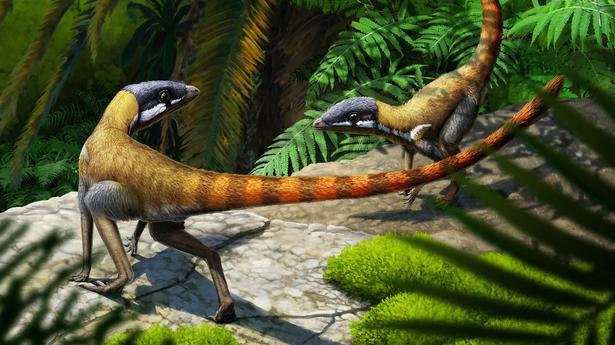
Scleromochlus, which measured about 8 inches long and likely ate insects and other small invertebrates.
Pterosaurs, the flying reptiles that thrived during the age of dinosaurs, achieved great size - some with wingspans like a fighter jet - and displayed striking anatomy including exotic head crests and a hugely elongated finger to support their wings.
While the ancestry and early evolution of these creatures have long puzzled scientists, a fresh examination of remains found in Scotland of a small reptile that lived about 230 million years ago during the Triassic Period is helping shed light on the humble origins of pterosaurs, researchers said on Wednesday.
They found that the reptile, called Scleromochlus taylori, is a close cousin of pterosaurs. It is a member of a group called lagerpetids, considered the nearest relatives of pterosaurs. Though not a direct ancestor, the researchers said Scleromochlus may look very much like the reptiles from which pterosaurs evolved.
Scleromochlus, which measured about 8 inches (20 cm) long and likely ate insects and other small invertebrates, featured a relatively large head, long and slender limbs, short torso and long tail, probably walking on two legs and standing on its toes. It did not have a lizard-like or frog-like sprawling posture as previously hypothesized.
Sci-Five | The Hindu Science Quiz: On plant products
"It would comfortably fit in a hand," said Davide Foffa, a postdoctoral researcher in paleontology at Virginia Tech and the University of Birmingham who worked on the research while at the National Museums Scotland in Edinburgh and is lead author of the study published in the journal Nature. "Scleromochlus provides unique information about the ancestors of pterosaurs, showing that they likely derived from small-bodied land-dwelling runners."
Scleromochlus lived at about the same time as the earliest dinosaurs, predating pterosaurs by perhaps 10 million years.


76-year-old Kurian Jacob from Kerala triumphs with seven medals, including five golds, at the Open Masters Games in Abu Dhabi.

Can nations unite to protect the endangered Hudsonian godwit and address the challenges of climate change and habitat loss?

Discover the Minor Planet Centre, the key hub for tracking and verifying observations of small solar system bodies.

Discover the Minor Planet Centre, the key hub for tracking and verifying observations of small solar system bodies.

In this week's Science for All newsletter, XX explains

Test your knowledge with the quiz on Science films at the Oscars through history

Set between the Siwalik hills and the plains, Butwal offers travellers a mix of regional cuisine, pilgrimage trails to Lumbini and the comfort of Hyatt’s new hospitality landmark

Explore 2026's wallpaper trends in India, highlighting botanicals and handmade designs that enhance modern homes with nature-inspired aesthetics.

Mercedes-Benz CLA 250+ with EQ Technology review: design, performance, range and features explained. Discover how the new electric CLA combines advanced AI, long range, fast charging and futuristic styling for the next generation of luxury EVs.

AI tool for sparrow conservation

BTS’s comeback with ‘Arirang’ marks a major global music event. When does the album release, and where can you watch their concert live stream? We have all the details

The 2026 U.S. cholesterol guidelines urge starting screening and treatment at 30 to prevent cardiovascular disease effectively.

Olam Festival 2026 in Thiruvananthapuram returns March 27-29 with 120+ vendors, music, art, and cultural zones.