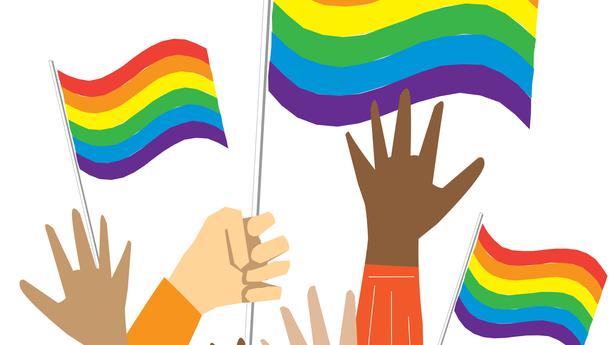
Pride Month: Looking for meaningful inclusion beyond pride flags and rainbow pastries
The Hindu
It’s no secret that corporations jump on the pride bandwagon, but inclusion of the community is a work in progress
A nondescript bakery in a sleepy Juhu lane in Mumbai suddenly lit up with pride lights and flags on June 1, 2019. On the face of it, this would have been a harmless gesture that the community is accustomed to — if it wasn’t for the way the staffers made a queer couple feel only two weeks before.
ALSO READ: End discrimination, frame specific policies for LGBTIQ+ workers: ILO
The said lesbian couple had approached the new bakery with its hip signboard and cool quotes for a rainbow-themed cake celebrating their anniversary, only to be met with a chuckling receptionist and a security guard who passed a snide remark about their colourful clothes. The bakery was called out on social media and now, three years later, it’s business as usual.
What does meaningful inclusion look like? How can corporations prove their allegiances to the great, grand cause of queer liberation? The answer is really not that complicated, any queer individual will tell you: spare us the pride flags, the rainbow pastries and a 20% discount on little cups and bow ties.
ALSO READ: Zoya Akhtar on the need for diversity in films, and why including the LGBTQIA+ community in the workspace will open your mind up
Instead, let’s talk money, use your platform to support our business, financially support the countless queer rescue shelters running on meagre funds across the country and use your resources to fund gender reassignment surgeries, sensitive schools and better jobs, beyond the clichéd ones.
ALSO READ: F1 would welcome an openly gay driver: Four-time champion Vettel


Prasads Multiplex Hyderabad unveiled one of India’s largest HDR cinema auditoriums, the PCX HDR by Barco

From staged funerals to rented fatherhood, Brendan Fraser turns rented intimacy into something disarmingly real in Hikari’s poignant Tokyo fable

Meet Nivrritii Mahesh, a Bharatanatyam dancer who dances with Cochlear implants

In a surprising turn of events, Urvashi theatre, one of Bengaluru’s iconic single screens, has re-opened, with the much-talked-about Dhurandhar: The Revenge running to a full house in the theatre. After the expiry of the 45-year lease, it seemed like curtains would come down on the king-size theatre but for now, it’s good news for fans.

The thrilling ‘Peaky Blinders’ finale is a farewell tour tailored for Tommy Shelby, while passing the baton to a new generation

BTS's comeback concert in Seoul drew over 100,000 fans, featuring their new album "ARIRANG" and a global livestream.

Khalid Rahman is reuniting with Malayalam superstar Mammootty after Unda (2019). The Thallumaala director has teamed up with the veteran for Mattancherry Mafia.

Bollywood actor Akshay Kumar paid tribute to the martial arts grandmaster and Hollywood’s action star, Chuck Norris, who passed away on Thursday, March 19, 2026.

Renowned Odissi dancer Madhumita Raut, aged 59, dies of cardiac arrest, leaving behind a legacy of artistic achievements.

Chuck Norris, iconic martial arts master and actor, dies at 86, leaving behind a legendary legacy and internet memes.

South African naturalist Steve Boyes speaks on ghost elephants, ancestral tracking, and Werner Herzog’s documentary exploring Angola’s elusive highland giants

Actor-director Amol Palekar will receive META's Lifetime Achievement award for 2026 on March 25 in New Delhi.

India's artists unite against rising censorship, advocating for creative freedom and support for marginalized voices in the arts.