Preventing malaria using genetically modified malaria parasites Premium
The Hindu
Scientists have developed genetically modified malaria parasites to prime the immune system, offering improved protection against malaria.
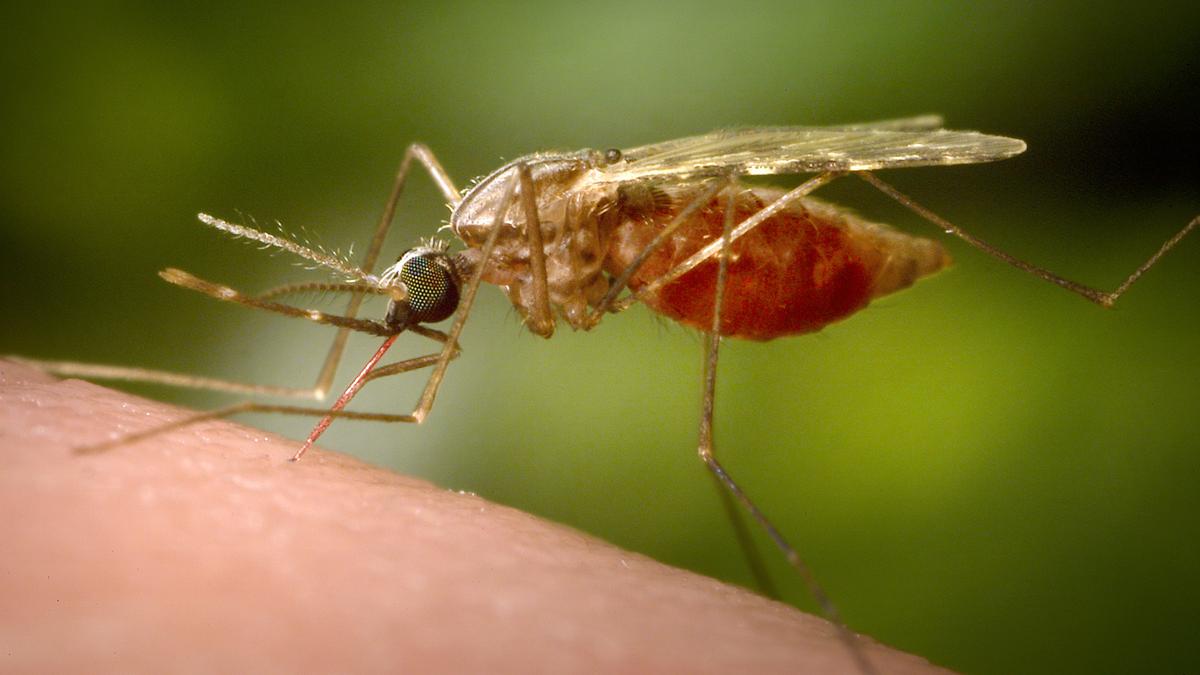
Two vaccines against malaria have been rolled out in some countries in Africa. Besides vaccines, scientists have been using genetically altered mosquitoes to stop the spread of malaria. One is the release of radiation-sterilised male mosquitoes to prevent eggs from hatching. Another is engineering mosquitoes that slow the growth of malaria-causing parasites in the gut thereby preventing transmission of malaria to humans. The other method is using genetically modified mosquitoes that can spread resistance to malaria-causing parasites by thriving and mating with wild mosquitoes.
Now, in a radical approach, scientists have shifted their focus from genetic modification of malaria-causing mosquitoes to malaria-causing parasites. They have genetically modified malaria-causing parasites so that the parasites do not cause disease. Instead, they prime the immune system during the initial stage of their life cycle in the liver and before they enter the bloodstream. Malaria-causing parasites cause infection and symptoms begin to show only when they move into the bloodstream from the liver stage.
The priming of the immune system, like in the case of vaccines, by the genetically modified malaria parasites shield the individuals when malaria-causing mosquitoes bite them later. While the genetic modification kills the parasites by completely arresting its growth on day six during the liver stage (late-arresting parasite), the parasites have sufficient time to prime the immune system far more effectively than when the parasites are killed on day one (early-arresting parasite) of entering the liver.
In a small trial, researchers exposed nine healthy adults who had not had malaria to 50 bites by mosquitoes that carried the genetically modified late-arresting parasites that were designed to die on day six of the liver stage, eight healthy adults with the early-arresting parasites, and three adults in the placebo group who were bitten by uninfected mosquitoes. The 50 mosquito bites were considered as one immunisation session, and the participants were exposed to three such sessions in all. Each successive immunisation session was set at 28-day interval.
Three weeks after the third immunisation session, all participants were exposed to controlled human malaria infection by means of five bites from mosquitoes infected with genetically unaltered P. falciparum parasite. This was to test the efficacy of genetically modified malaria parasites in priming the immune system.
As per the results published in the New England Journal of Medicine, the efficacy results were striking. While eight of nine (89%) participants primed by late-arresting parasites were protected from malaria when exposed to mosquitoes carrying unaltered P. falciparum parasite, only one of eight (13%) participants who were primed by early-arresting parasites was protected from malaria. No participants in the placebo arm were protected from malaria.
The titres of antibodies targeting key P. falciparum antigens in both the early-arresting and last-arresting parasite groups were far higher than those observed in the placebo group and did not differ between participants in the two intervention arms. This suggests that the vastly different timings of killing the parasites in the liver did not affect the amount of antibody produced. But there were differences in the cellular immunity in the two intervention groups. Though the overall cellular frequency T-cell lineages remained similar, certain P. falciparum-specific T cells were seen only in participants who were primed by mosquitoes carrying the last-arresting parasites. “This suggests an important independent role of late-liver-stage antigens in inducing gamma delta T-cell responses,” they write.


Can nations unite to protect the endangered Hudsonian godwit and address the challenges of climate change and habitat loss?

Discover the Minor Planet Centre, the key hub for tracking and verifying observations of small solar system bodies.

Discover the Minor Planet Centre, the key hub for tracking and verifying observations of small solar system bodies.

In this week's Science for All newsletter, XX explains

Test your knowledge with the quiz on Science films at the Oscars through history

Set between the Siwalik hills and the plains, Butwal offers travellers a mix of regional cuisine, pilgrimage trails to Lumbini and the comfort of Hyatt’s new hospitality landmark

Explore 2026's wallpaper trends in India, highlighting botanicals and handmade designs that enhance modern homes with nature-inspired aesthetics.

Mercedes-Benz CLA 250+ with EQ Technology review: design, performance, range and features explained. Discover how the new electric CLA combines advanced AI, long range, fast charging and futuristic styling for the next generation of luxury EVs.

AI tool for sparrow conservation

BTS’s comeback with ‘Arirang’ marks a major global music event. When does the album release, and where can you watch their concert live stream? We have all the details

The 2026 U.S. cholesterol guidelines urge starting screening and treatment at 30 to prevent cardiovascular disease effectively.

Olam Festival 2026 in Thiruvananthapuram returns March 27-29 with 120+ vendors, music, art, and cultural zones.

A few storytellers in Thiruvananthapuram share their journeys, challenges, and evolving methods on World Storytelling Day, inspiring young minds.