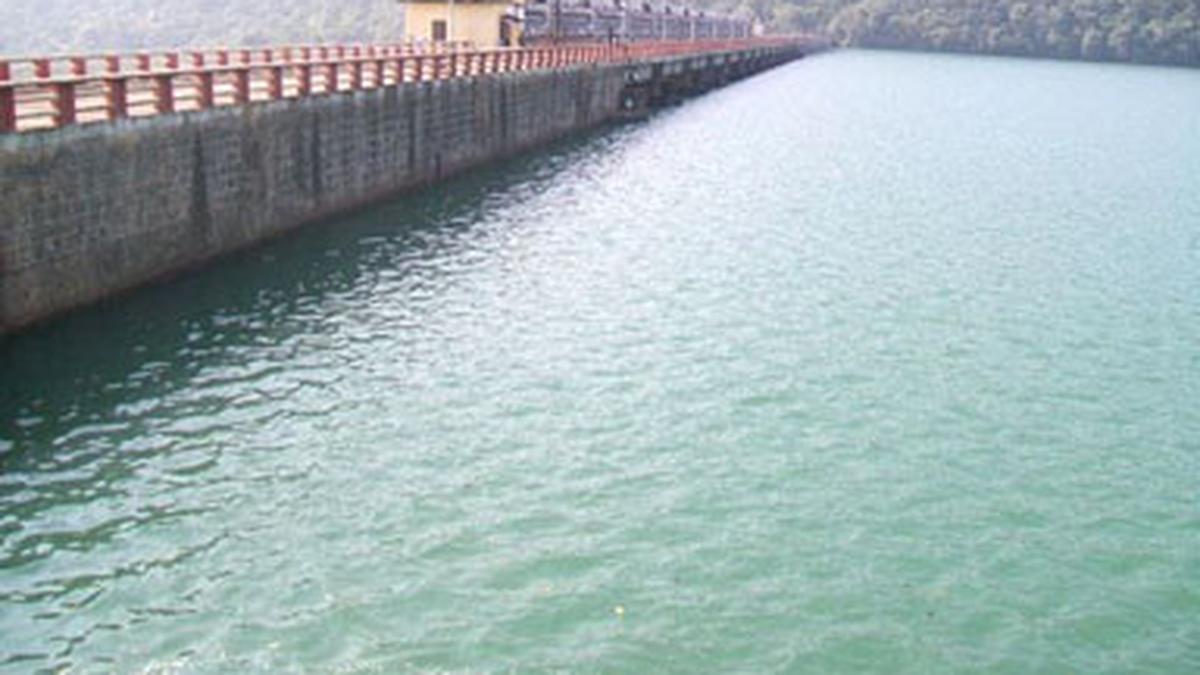
Power generation halted at Sileru reserving it for peak summer needs
The Hindu
The AP State Energy Department temporarily shuts down hydel power generation unit to conserve water and save money.
The AP State Energy Department has decided to temporarily shut down its hydel power generation unit at Upper Sileru in the Eastern Ghats bordering Odisha, in Alluri Sitarama Raju district, as an energy conservation measure (saving of water).
The water saved can be used to restart plant operations when needed during peak summer, possibly from May, it is said.
The move will not only save the natural resource (water) required for power generation during the peak season (summer), but also save money (₹430-500 crore) for the State government. In summer, the State government usually spends at least ₹10 per unit to purchase power from open markets if demand is high.
The decision has been taken for two main reasons — the State has adequate power supply for all its consumers without any need to rely on private players and the saved natural resource (water) will become useful in summer.
Due to insufficient rainfall in the catchment areas of the Eastern Ghats of AOB, AP Power Generation Corporation Limited (APGENCO) has predicted shortage of water for hydel power plants in the State. The major hydropower generation units like the Srisailam in south coastal Andhra Pradesh have already shut down due to lack of water in its resources, including the Krishna river.
So, at least to run the Sileru hydel project in summer, APGENCO has stopped it now.
Confirming this to The Hindu on Tuesday, APGENCO Managing Director K.V.N. Chakradhar Babu said, “We now have enough power to meet the demand in the State. In order to maintain adequate power supply even in summer without any interruptions or emergency load reliefs, we have taken this decision to temporarily stop power generation from the Upper Sileru hydel unit. At least 430 million units of electricity can be generated for 40 days in peak summer from this project with the water stored (40-50 TMC) now, which will cost ₹430-500 crore if we need to buy from the open market later.”


Sobha Surendran refutes V.D. Satheesan's claims of a BJP-CPI(M) deal, attributing them to fear of electoral defeat.

V.D. Satheesan praises G. Sudhakaran as a just administrator, highlighting respect amid political differences in Kerala Assembly polls.

Kerala court sentences G. Sandeep to life imprisonment for the murder of Dr. Vandana Das, with appeals for a death penalty pending.

Erode (East) voters prioritize pollution control, traffic solutions, and urban infrastructure as key issues ahead of upcoming elections.

Civil supplies department seizes 55 illegal LPG cylinders, booking 19 individuals to prevent domestic supply shortages in Vizianagaram.

Hyderabad police bust illegal samosa unit, seizing 500 stale eggs and used cooking oil, risking public health.

Eid prayers are held in Delhi's Uttam Nagar under heavy police presence amid heightened communal tensions and security measures.

Tensions rise in Mathura as locals protest cow vigilante's death, prompting a strong response from authorities and police.

Join the Met Centre Hyderabad's open house on March 23 to learn about weather forecasting and its real-life applications.

Kerala CM Pinarayi Vijayan blames Congress and BJP for India's cooking gas crisis, citing failures in energy policy and corporate interests.

An 81-year-old businessman loses ₹15.4 crore in a digital arrest scam involving fake CBI and RBI officials.

AP cadre IAS officer A. Vani Prasad is reallocated to Telangana cadre following a Telangana High Court order.

TMMK hosts special Eid prayers in Chennai, emphasizing peace amid ongoing West Asia conflicts and supporting those in need.