Politics versus practicalities: the cross-border battle over Biden's EV tax credits
CTV
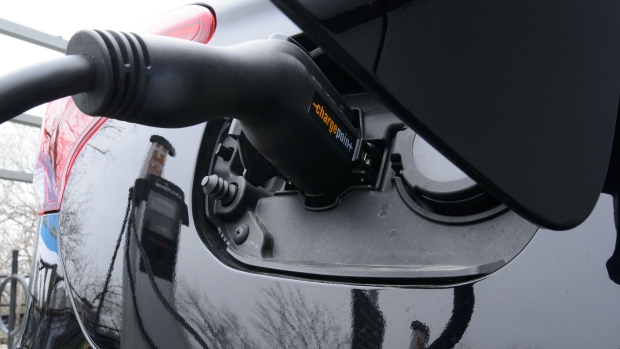
The tax-credit scheme that U.S. President Joe Biden is proposing to encourage U.S. consumers to buy more electric vehicles might never be implemented in its current form, say veteran observers of both North America's auto sector and Canada-U.S. relations.
If they are, though, the tax incentives of up to US$12,500 on cars and trucks assembled stateside with union labour could mean the end of the road for Canada's automotive industry.
"We're at a really tentative moment," said Dimitry Anastakis, a professor of Canadian business history at the University of Toronto's Rotman School of Management.
Consider what would happen if the $83-billion U.S. auto market, which is rapidly abandoning the internal combustion engine, were suddenly confronted with the chance to save up to nearly 25 per cent on a $55,000 EV, so long as it was assembled on American soil by unionized workers.
It would amount to what the federal government in Ottawa calls a 34 per cent tariff on vehicles built in Canada. The imbalance would brand foreign-made cars with a scarlet letter and send auto manufacturers and their roughly 125,000 jobs scrambling over the border.


A new study suggests climate change is doing something few people could ever notice: it’s making Earth’s days slightly longer.

Artificial intelligence is taking some of the discomfort out of trying to perfect your resume, but the growing use of the technology in job applications is creating new challenges for employers trying to sort through candidates and figure out who they’re really dealing with.

An expert on body image is warning of a new social media trend that is sending a negative message to boys and men.

Japan's stunning Seto Inalnd Sea offers a wonderful collection of art, history and luxury to travelers looking beyond the country's iconic sites.


Peel Public Health says nearly 16,000 students in the region could be suspended due to incomplete immunization records.

On Thursday morning, 68-year-old Mava Brydges put the weight of a household refrigerator onto her back, lowered herself toward the floor and then stood up again.

At this month’s Milan Cortina Paralympics, some athletes competed in shorts, T-shirts and tank tops. One skier lamented “tropical” conditions and a snowboarder complained that soft, slow snow put him at a disadvantage. And some worried about their safety.

Ottawa is expected to announce $552 million in funding for academic research projects this morning.

Two people are dead after donating plasma at Winnipeg collection centres.

Divorce may call to mind shouting matches and seething emotions. But in some marriages, silence and suppression are the defining traits.

Major storms whipped up tornadoes that killed at least two people in northwest Indiana and leveled buildings in Kankakee, Illinois, authorities said Wednesday, as another round of rain, hail and strong winds made its way through the region.

Computer chip demand has skyrocketed this year and one Harvard professor points to AI as a potential cause.