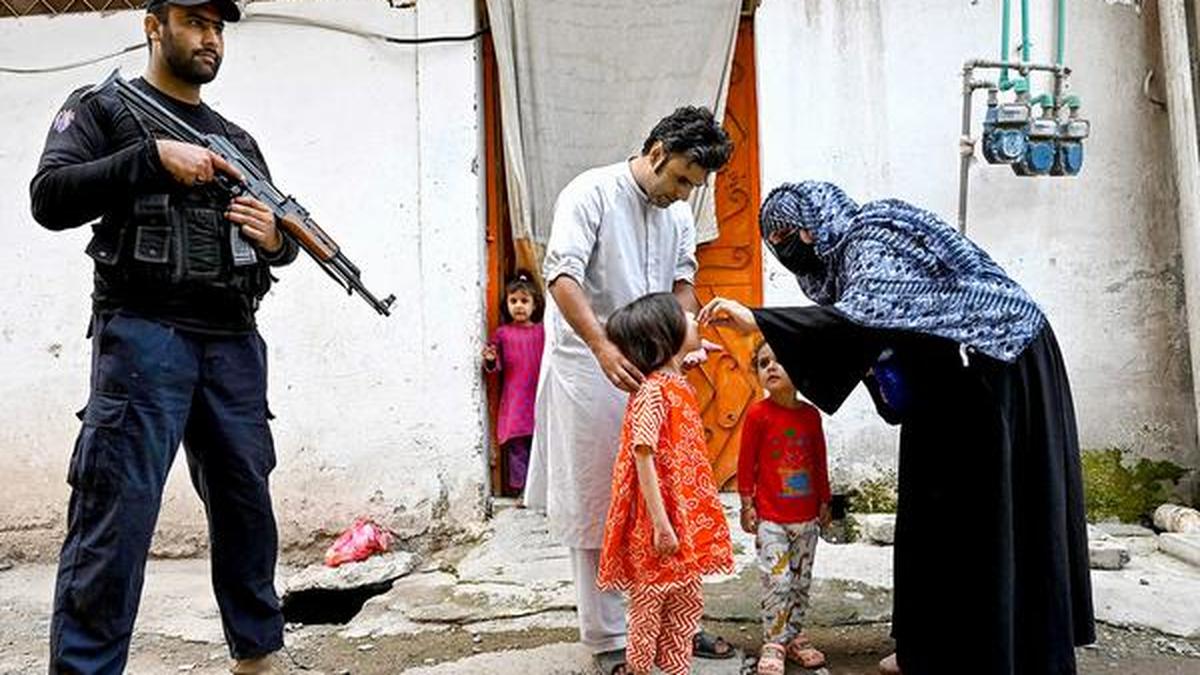
Poliovirus found in wastewater in Spain, Germany, and Poland Premium
The Hindu
Global polio eradication efforts, vaccine-derived strains, and the importance of vaccination coverage highlighted in a comprehensive overview.
In 1988, the World Health Organization (WHO) called for the global eradication of polio. Within a decade, one of the three poliovirus strains was already virtually eradicated — meaning a permanent reduction of the disease to zero new cases worldwide.
Polio, also known as poliomyelitis, is an extremely contagious disease caused by the poliovirus. It attacks the nervous system and can lead to full paralysis within hours. The virus enters through the mouth and multiplies in the intestine. Infected people shed poliovirus into the environment by the faecal-oral route.
About one in every 200 infections results in irreversible paralysis (usually affecting the legs). Of those who become paralysed, 5–10% die due to immobilised breathing muscles.
Since 1988, the global number of poliovirus cases has decreased by over 99%. Today, only two countries — Pakistan and Afghanistan — are considered “endemic” for polio. This means that the disease is regularly transmitted in the country.
Yet in recent months, poliovirus has been detected in wastewater in Germany, Spain and Poland. This discovery does not confirm infections in the population, but it is a wake-up call for Europe, which was declared polio free in 2002. Any gaps in vaccination coverage could see a resurgence of the disease.
Poliovirus strains originating from regions where the virus remained in circulation led to outbreaks among unvaccinated people in Tajikistan and Ukraine in 2021, and Israel in 2022. By contrast, in the UK — where poliovirus was detected in wastewater in 2022 — no cases of paralytic disease were recorded.
This information highlights the varied effect of poliovirus detection. Why? In areas with under-immunised populations, the virus can circulate widely and cause paralysis. But in communities with strong vaccination coverage, the virus often remains limited to symptomless (“asymptomatic”) infections or is detectable only in wastewater.


Trump claims “very good” talks with Iran, despite Tehran’s denial, as U.S. negotiators plan potential meetings in Pakistan.

Netanyahu discusses U.S.-Israeli military gains with Trump, emphasizing commitment to protect Israel's interests amid ongoing conflicts.

Pakistan reaffirms commitment to combat terrorism as Afghan ceasefire approaches end amid rising tensions and recent casualties.

Trump postpones military strikes on Iranian power plants for five days amid escalating tensions and ongoing diplomatic discussions.

Shorts News:Watch: NATO chief: 22-nation group forming to secure Strait of Hormuz

Saudi Aramco reduces crude supply to Asia for April, citing disruptions from the Iran-Israel conflict affecting trade routes.

Tencent launched a tool on Sunday to integrate its WeChat messaging platform with the OpenClaw agent

An Air Canada flight collided with a Port Authority vehicle at LaGuardia Airport, causing significant damage and police response.

Saudi Arabia and the UAE face missile attacks, with casualties reported and air defenses engaged amid escalating regional tensions.

Slovenia's parliamentary election results show a tight race between liberals and populists, signaling potential political instability ahead.

IEA chief warns of a potential energy crisis worse than the 1970s, with 11 million barrels lost daily amid regional conflicts.

Cuba begins restoring power after a nationwide grid collapse, affecting thousands amid an ongoing energy crisis and blackouts.

The Hindu LIVE updates on March 23 2026 on Iran-Israel war. Iran faces deadline of US President Donald Trump warning to open Strait of Hormuz