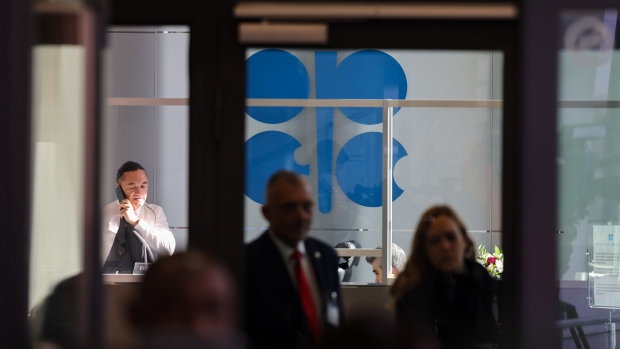
OPEC+ tries to keep oil above US$90 with large production cut
BNN Bloomberg
OPEC+ agreed to cut its collective output limit by 2 million barrels day, stoking tensions with the U.S. as the cartel seeks to halt a slide in oil prices caused by the weakening global economy.
It’s the biggest reduction by the Organization of Petroleum Exporting Countries and its allies since 2020, but will have a smaller impact on global supply than the headline number suggests. Several member countries are already pumping well below their quotas, meaning they would already be in compliance with their new limits without having to reduce production.
Even so, the decision risks adding another shock to a global economy that is already battling inflation driven by high energy costs. The cartel extended its cooperation agreement until the end of 2023, and the new production limits agreed on Wednesday will remain in place until then unless the market changes, said a delegate.
“OPEC wants prices around US$90,” Nigerian Minister of State for Petroleum Resources Timipre Sylva said after the meeting. Many member countries have based their 2023 budgets on that price and “it would destabilize some economies” if that weren’t to happen, he said.


Oil tankers are crossing the Strait of Hormuz and Iran’s actions to choke traffic through the shipping route have not hurt the U.S. economy, White House economic adviser Kevin Hassett told CNBC on Tuesday, reiterating the Trump administration’s position that the war should be over in weeks, not months.

Canada’s annual inflation rate slowed in February to 1.8 per cent, but many economists believe the new Statistics Canada data may be the dip before a spike driven by oil prices and the war in Iran.

Building or rebalancing your portfolio and wondering what investments to consider next? Here’s what leading experts featured on BNN Bloomberg say investors should consider adding and dropping from their portfolios today.

Canadian and U.S. stock markets gained ground on Wednesday as oil prices fell and tech stocks rose on both sides of the border.

Nvidia CEO CEO Jensen Huang has started his keynote at the chipmaker’s annual developer conference in San Jose, Calif., where he is set to detail its hardware and software plans.

Daily oil exports from the Middle Eastern Gulf, home to top exporter Saudi Arabia and other major producers, have dropped by at least 60 per cent in the week to March 15 compared to February due to disruptions and output cuts amid the U.S.-Iran war, according to shipping data and Reuters calculations.

Larry Berman says he can see a day in 2027 when the top 10 stocks in the S&P 500 are 50 per cent of the index similar to the Invesco QQQ Trust Series 1 (QQQ) today that seem destined to move significantly higher.

Top Picks from Teal Linde, Manager, Linde Equity Fund

Member countries of the International Energy Agency could release more oil into the market later “as and if needed” after they have already agreed the largest-ever reserve release, Executive Director Fatih Birol said on Monday.

Oil prices are down, and stocks are up Monday, though such moves have been quick to reverse since the war in Iran began.

Statistics Canada says the annual rate of inflation dipped below two per cent in February as the end of last year’s federal “tax holiday” helped take some steam out of the yearly price comparisons.

Middle Eastern sovereign wealth funds and state-backed companies are unlikely to scale back renewable energy investments in Africa despite disruptions from the Iran war, analysts say, given the strong long-term economic and strategic reasons driving such funding.

Crude oil stayed above US$100 a barrel on Monday and Gulf countries reported more attacks by Iran as the war entered its third week, while share prices were mixed.