On the importance of satire
The Hindu
Explore the critical role of satire in society and its protection under law amidst rising censorship and national security debates.
If lampooning was a threat to national security, defence, reputation and India’s foreign relations, the first Prime Minister of the country, Pandit Jawaharlal Nehru would have desisted from telling cartoonist K. Shankar Pillai — “Don’t spare me, Shankar”.
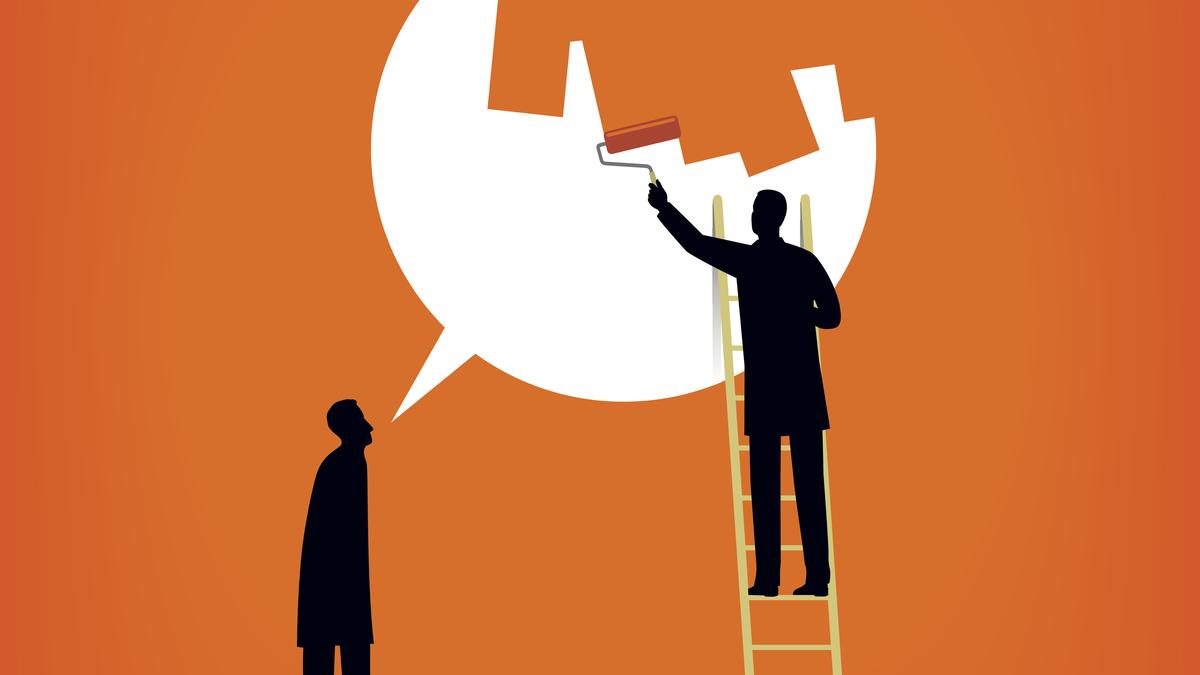
Recently, access to a 52-second cartoon video reportedly featuring Prime Minister Narendra Modi was blocked from the social media handles of The Wire, an online news portal. The portal reported that one of its editors was “informed orally.... that the grounds for blocking the cartoon were that it spread rumours/unverified information that would affect the defence, security, reputation of the country and India’s relations with foreign countries”.
The Editors Guild of India issued a statement that the incident was yet “another example of the rising intolerance to comment and scrutiny on the part of the government and its representatives… and serves to tarnish India’s credentials as an accommodative democracy that gives space to media, including satire and humour”.
The Guild drew attention to the government’s “unsheathing” of the Information Technology (Intermediary Guidelines and Digital Media Ethics Code) Amendment Rules of 2026, which is poised to come into effect from February 20, the day the Global AI Impact Summit ends in New Delhi. The amended rules give social media platforms three hours, a sharp reduction from the 24-36 hours under the 2021 Rules, to take down content, including synthetically-generated ones, deemed illegal by a court or an “appropriate government”.
Meanwhile, the Karnataka High Court has recently upheld the ‘Sahyog’ content-blocking portal, a government platform to automate the process of sending notices to intermediaries in order to facilitate the removal or disabling of access to any information, data or communication link being used to commit an unlawful act.
The High Court had rejected a petition by X (formerly Twitter) that the portal bypassed procedural safeguards which need to be mandatorily followed by government authorities before blocking public access to online content under Section 69A of the Information Technology Act, 2000. The social media platform had argued that the government was using the “safe harbour” regime to nudge social media intermediaries into blocking content and restricting free speech and expression.


A.P. DGP pays tribute to Potti Sriramulu on his 125th birth anniversary, honouring his sacrifice for a separate Andhra Pradesh.

Discover the cultural and health significance of neem and jaggery during Ugadi, explained by author Ratna Rajaiah.

A minor fire at Thiruvananthapuram government hospital led to patient evacuations; no casualties reported, situation now under control.

BJP reveals 144 candidates for Bengal Assembly polls, featuring Suvendu Adhikari contesting against Mamata Banerjee in Bhabanipur.

A look at Puducherry Assembly elections in 2021, highlighting the current CM N. Rangasamy and key ministers from AINRC and BJP.

Parliament Budget Session LIVE: Follow The Hindu's latest updates on the Parliament Budget Session on March 17, 2026.

Assembly Elections 2026 LIVE: Follow the latest updates on elections from across West Bengal, Tamil Nadu, Kerala, Assam and Puducherry.

Nvidia chief Jensen Huang on Monday said he expects the artificial intelligence chip powerhouse to bring in at least a trillion dollars in revenue through next year.

Political crossovers intensify in Kerala ahead of the 2026 Assembly elections, challenging traditional party loyalties and alliances.

Ten Lee Pharma employees were injured when their mini-bus overturned in Miyapur; all are in stable condition.

Discover how to turn creative passion into a sustainable business by mastering finance, IP, and strategic growth.

Arjun Krish and Ria Dinesh win Best Telefilm at Kerala State Television Awards for their impactful short film, F for Freedom.

redBus data reveals a significant 76% rise in solo women travelers from Karnataka since 2019, highlighting increasing independence in travel.