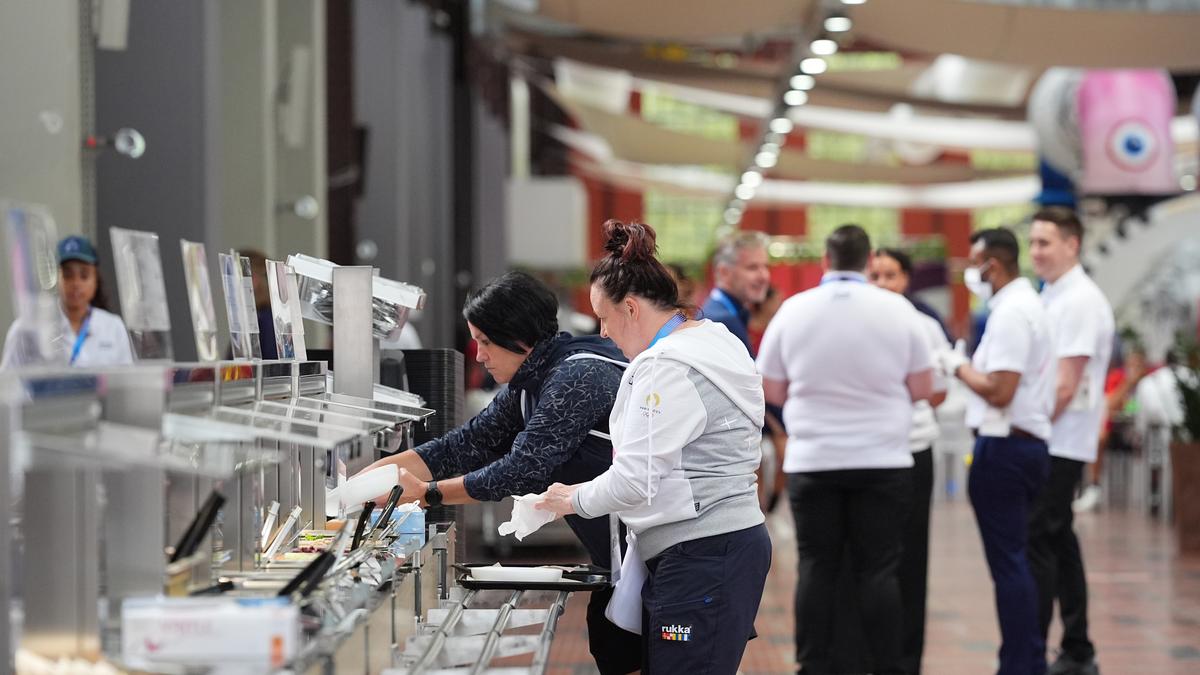
Olympics 2024 | What are the Indian participants eating in Paris?
The Hindu
Indian sportspersons at the 2024 Paris Olympics rely on nutritious Indian food with dishes like Prawn Madras, Vegetable Biryani, lamb korma, butter chicken and more. They are guided by Aradhana Sharma, the chief nutritionist of the Indian Olympic Association who is also in Paris with the Indian contingent.
When we travel to a foreign country, one of the things we are keen to explore is the food it has to offer — armed with medicines to treat heartburn, just in case. But for Indian sportspersons in Paris for the Olympic Games 2024, familiarity is paramount.
The 33rd edition of the Olympic Games in Paris kicks off on on July 26 at 11 p.m. (IST). More than 110 participants are at the Olympic village as part of the Indian contingent. Along with them is a team of coaches, doctors, physiotherapists, psychologists, and for the first time, a nutritionist as well.
“Nutrition plays a major role in their performance. They will have to consume a well-balanced meal and try avoid having something new. When they are in a foreign country, there may not always be dishes they have eaten previously or even know of, and will want guidance. If there is no Indian alternative, I can suggest a close alternative. And in case they suddenly feel tired or unwell, their diet will require some tweaking,” shares Aradhana Sharma, chief nutritionist, IOA (Indian Olympic Association) who is in Paris with the contingent. This is Aradhana’s fourth Olympic cycle in India as a nutritionist, and she has worked with several Olympians, including archer Tarundeep Rai, boxer Amit Panghal, and shooter Aishwarya Pratap Singh Tomar.
The Olympic village has four dining districts: World, French, Halal, and Asian. These halls will be functional round the clock, but participants will not be allowed to cook anything within the venue. “We were sent the menu well in advance and the Olympic hospitality team was very cooperative in accommodating our requirements as well. The dishes are available with many alternatives. So if it’s a curry, for example, there will be a non-vegetarian variant with different proteins, a vegetarian option, and a plant-based one as well. This is very helpful as we have a lot of vegetarian participants,” says Aradhana.
In the menu, staples like eggs and bread are available across all districts. As part of the Asian district, dishes like prawn Madras, dal, vegetable biryani, lamb korma, butter chicken, and chicken curry with mango are available along with basmati rice. Other than these options, vegetables, fruits, smoothies, and other beverages are also served. The menu served is on an eight-day rotational basis. “The Indian participants, especially the ones at this level, would have participated in the Asian Games, Commonwealth Games, or even in the previous Olympic editions. So they are familiar with what to consume, even non-Indian dishes — some of our participants include quinoa or tofu as part of their diet. But for this event, the IOA has come up with an app to aid them through their stay there. The menu with the dietary details will be available on it, and they can check any time,” Aradhana says.
“The meal plan cannot be the same for all. We don’t even generalise it within each sport. It is very personal,” she adds. “For example, if an athlete requires 3,000 calories, based on the sport they play, we calculate the protein, fat, and carbohydrate quantities in percentage. We don’t let carbohydrates go below 55% of the total calories. If they are an endurance athlete, 60-65% should come from carbohydrates. But a power sport athlete will require more protein,” explains Aradhana.
Along with the training given by coaches, the athletes also work with personal nutritionists as they prepare for events of this scale. “The stamina required to perform well on the day is not built in one day. I got their diet chart and the data from their personal nutritionists a couple of months back and have been working with that. Some athletes only qualified at the last minute, but we have managed to get their diet plan and allergies or preferences.”


South Africa levels T20I series against New Zealand with a 19-run victory, highlighting spinners' dominance ahead of the final match.

LeBron James sets a new NBA record for most games played, surpassing Robert Parish with his 1,612th appearance.

Rajasthan Royals has the task of filling Sanju Samson’s big shoes

Yashaswini’s birthday gift for long-time coach

Manav, Yashaswini win maiden National titles

Akash Deep is out of IPL due to a back injury, casting doubt on his participation in the upcoming Test against Afghanistan.

Kohli urges RCB teammates to maintain focus and intensity as they prepare to defend their IPL title starting March 28.

Cameron McEvoy sets a new 50-meter freestyle world record at 20.88 seconds, surpassing César Cielo's 17-year mark.

India's cricket team will play two T20Is in Ireland on June 26 and 28, marking their Belfast return since 2007.

Rahane embraces captaincy challenge for KKR in IPL 2026, focusing on positivity and team consistency after a tough season.

Harry Maguire's red card costs Manchester United a 2-2 draw against Bournemouth in a thrilling Premier League clash.

Turkiye coach Yusuf Ergin explains why Indian archery has all it takes to win an Olympic medal, highlighting mental training, coaching systems, and key athletes to watch.

Mumbai City goes top with a narrow win over Mohun Bagan