Old Apollo rocks shed new light on the moon's magnetic field long ago
ABC News
Old Apollo rocks are providing a fresh take on the moon's magnetic field
CAPE CANAVERAL, Fla. -- Lunar rocks collected by Apollo astronauts more than half a century ago are providing a fresh take on the moon's mysterious magnetic field, scientists reported Wednesday.
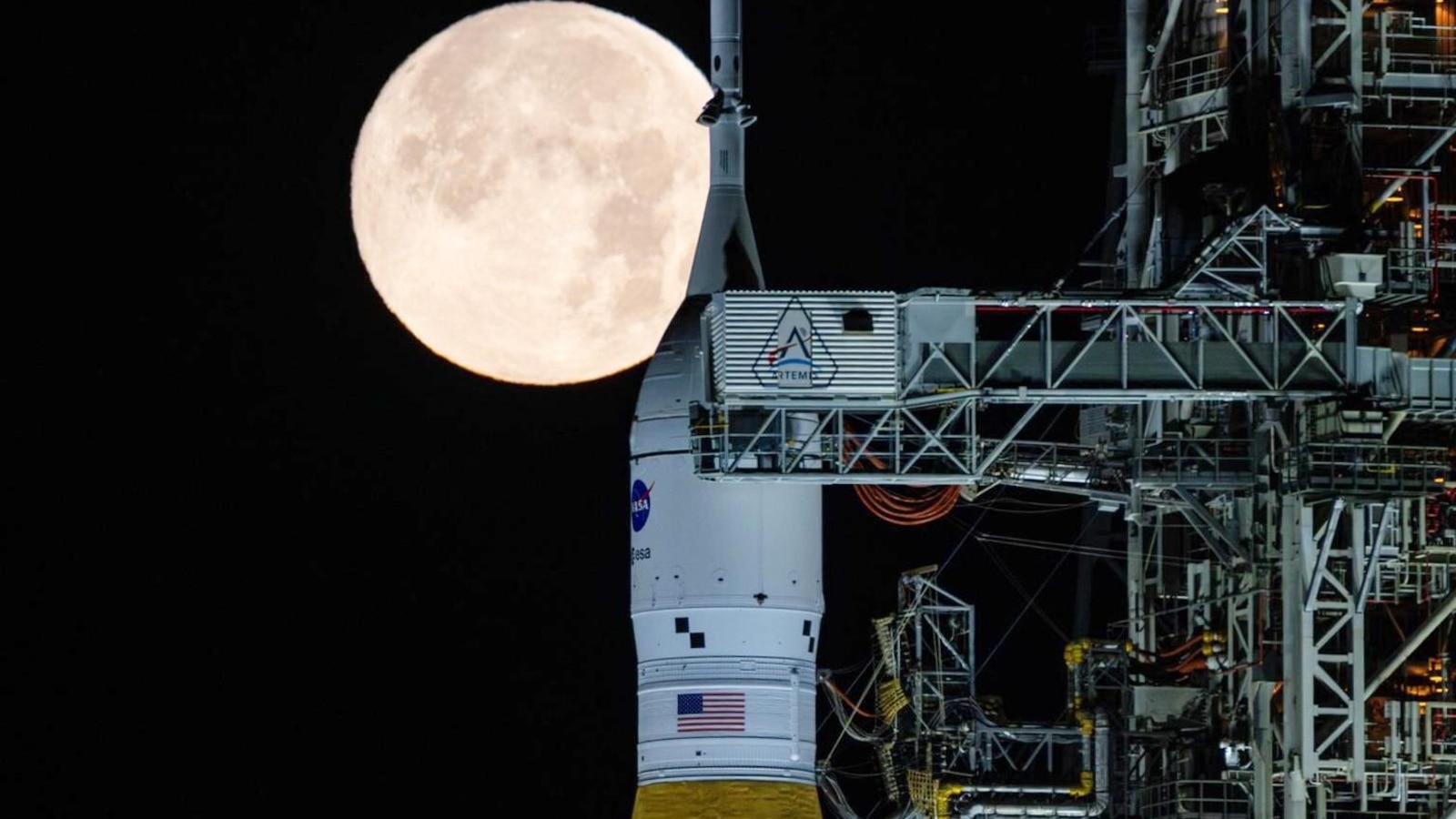
Samples to be retrieved by future moonwalkers in NASA’s new Artemis program should yield even more clues. Four Artemis astronauts are expected to fly around the moon in a crucial test flight, blasting off as early as April from Kennedy Space Center after weeks of delays.
The study by University of Oxford researchers in England suggests that while the moon’s magnetic field has been weak during most of its existence, it strengthened and even exceeded Earth’s magnetic activity during extremely brief periods 3 billion to 4 billion years ago. Their findings appear in the journal Nature Geoscience.
Magnetic fields help to shield against dangerous cosmic rays and, in the case of Earth, the sun's harsh radiation as well.
The moon had “incredibly short spikes in high magnetic field strength” lasting no more than 5,000 years and possibly as short as a few decades, the result of melting titanium-rich rocks deep within the moon, said lead author Claire Nichols.


Mike Quigley wins Democratic nomination for U.S. House in Illinois' 5th Congressional District

Attorneys for former FBI agent John Connolly have filed a new motion seeking to overturn his murder conviction, citing newly disclosed evidence tied to mobster James “Whitey” Bulger

Joseph Duggar from “19 Kids and Counting” faces a child molestation charge in Florida tied to a girl’s account of abuse

A new KFF survey shows many Americans who had Affordable Care Act marketplace health insurance last year are struggling with high health costs

Dolores Huerta has dedicated her life to breaking down barriers and cemented her place in history as one of the nation’s most influential labor leaders, civil rights icons and feminist activists

Joe Kent’s resignation from President Donald Trump’s counterterrorism team is fueling a Republican fight over the Iran war and talk about Israel that critics call antisemitic

Authoritarian President Alexander Lukashenko on Thursday hosted a U.S. envoy for talks in the Belarus capital of Minsk, the latest step in the isolated leader’s effort to improve ties with the West

Many people across the U.S. are working to reconcile the legacy of the long-admired Latino icon César Chavez with stunning allegations that he sexually abused girls and women

The FBI is investigating whether Joe Kent, who resigned his position as a top counterterrorism official this week in protest of the Iran war, improperly shared classified information

A tiny desert community in Southern California has tied the highest March temperature ever recorded in the U.S. The 108 degree day in North Shore, California, came amid a record-breaking winter heat wave in the Southwest that will stretch into the week...

The U.S. national debt has hit a record $39 trillion

Colin Dorgan has helped lead his high school hockey team into a championship game after losing his mother, brother, and grandfather last month in a shooting at an ice rink

A man has been sentenced to at least four years in prison for an election petition scandal that spoiled the candidacies of five Republicans who were running for Michigan governor in 2022