Odisha’s Keonjhar district finalises beneficiaries 7 years after District Mineral Foundation scheme began
The Hindu
District Mineral Foundation funds have eluded the real mining-affected population while it was spent in an area relatively unaffected by mines, alleges BJP chief whip
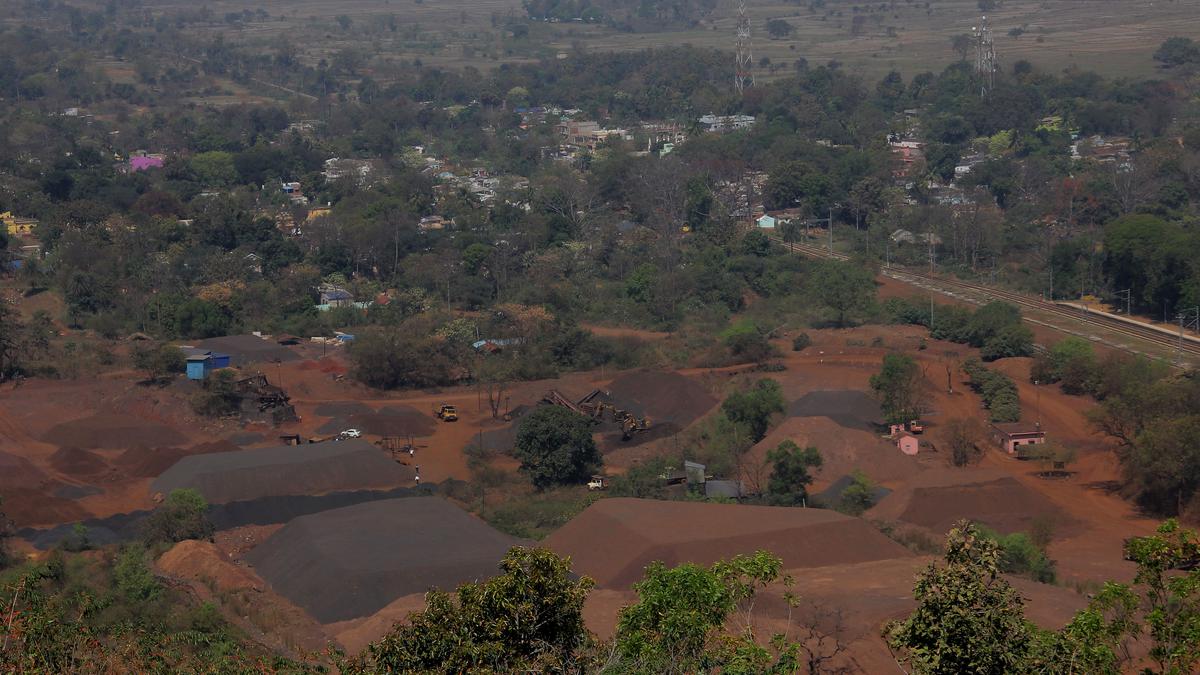
Odisha’s Keonjhar district is India’s highest recipient of funds under the District Mineral Foundation (DMF) scheme, and has spent ₹3,000 crore under the scheme over the past seven years, but the district has only recently finalised who the real beneficiaries are.
At its meeting last month, The 11 th Trust Board of DMF-Keonjhar approved 106 new villages as those directly affected by mining operations, taking the total tally of such villages to 491. According to the Trust Board, all other villages in Keonjhar will be treated as indirectly affected as well.
With a geographical area of 8,303 sq km, Keonjhar is hugely rich in mineral reserves, especially iron ore. The district has 2,555 million tonnes of iron ore available beneath its soil, of which approximately 50 million tonnes is extracted each year, a key driver of Odisha’s economy.
The DMF fund is augmented by mining companies’ contribution of 30% of their royalty amount for mining leases. In Keonjhar, the total DMF fund collection has touched an astounding ₹8,840 crore, the highest for any district in India.
The DMF holds enormous potential to improve the lives of people in Keonjhar, a district where 62% of the population lives below the poverty line, especially marginalised groups such as tribals and other forest dwelling communities. As per the Census 2011, Scheduled Tribes constitute 44.5% of the district’s population, while 11.62% are Scheduled Castes.
Now, the Opposition Bharatiya Janata Party and citizens groups in Keonjhar have raised questions on the very premise of the fund’s huge expenditures.
In 2016, 12 mineral-rich States, including Odisha, executed and prepared the guidelines for the DMF. As a first step, before spending DMF funds, the board should have undertaken a detailed survey identifying directly affected villages falling within a 10-km radius of the mines. In 2017, the fifth board meeting accepted the recommendation of a mining officer who submitted a list of 495 villages who are directly affected.


The government plans to amend the FCRA, introducing new regulations for NGO asset management and accountability for key functionaries.

The draft policy for “Responsible Digital Use Among Students”, released on Monday by the Department of Health and Family Welfare, has recommended that parents set structured routines with clear screen-time rules and prioritise privacy, safety, and open conversation with children on digital well-being.

Police Observer Sushant Kumar Saxena conducts surprise inspection at Shencottai police station, reviewing warrants and security arrangements ahead of elections.

Andhra Pradesh government to launch key projects in April, focusing on industrial growth and infrastructure development, says Nara Lokesh.

Lok Sabha refers the Corporate Laws (Amendment) Bill to a JPC amid opposition concerns over CSR provisions dilution.

SHG members in Kanniyakumari use snakes and ladders to raise election awareness and boost voter turnout.

Government accelerates consultations for early implementation of the Women’s Reservation Act to ensure women’s representation in 2029 elections.

CM A. Revanth Reddy distributes ₹1 crore insurance cheques to families of deceased Electricity department employees, enhancing financial security for workers.

The Bengaluru Traffic Police (BTP) registered 634 cases of drunk driving during a week-long special enforcement drive conducted across the city between March 16 and March 22.

GHMC intensifies action against property tax defaulters, seizing properties and offering a One Time Settlement scheme for payments.

CCB arrests three drug peddlers in Mangaluru, seizing ₹2.5 lakh worth of MDMA and other valuables.

TVK's 28 candidates in Puducherry include former BJP MLAs, a sitting Independent, and a retired police IG.

BRS submits notice on private member bill to Speaker