O.J. Simpson gave us a preview of today’s America
CNN
O.J. Simpson’s 1995 murder trial offered a prelude to the political and social climate of today’s US, where many White and non-White people inhabit different worlds and Americans across the political spectrum can’t agree on a simple set of facts.
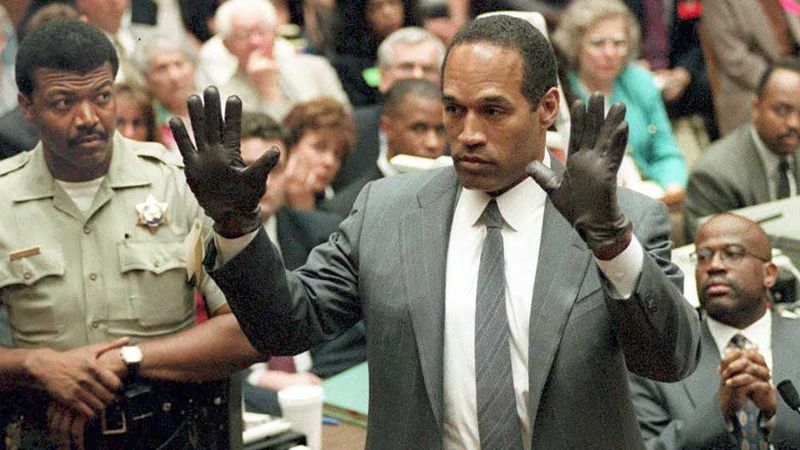
For millions of Americans, it’s a moment they can’t forget. On October 3, 1995, people gathered around TVs in living rooms, bars and workplaces to watch the verdict in the trial of O.J. Simpson, who had been charged with the grisly murders of his ex-wife Nicole Brown Simpson and her friend Ronald Goldman. In the split second after the not guilty verdict was read, we saw White and non-White America rupture. Many Black Americans cheered, pumped their fists and exchanged high-fives, while many White Americans gasped in disbelief and anger. When the news broke Thursday that Simpson had died at 76 from cancer, much of the immediate commentary focused on his past: His Hall of Fame NFL career; the surreal, slow-speed chase in his white Ford Bronco; the millions of Americans who were riveted by his televised trial for more than eight months, binge-watching before the term was even invented. But Simpson’s death says something more about the present than the past in America — and that split-screen reaction to his verdict shows why. What happened at his trial offered a sneak preview of the country we live in today.


A senior US intelligence official appointed by President Donald Trump abruptly announced he is stepping down from his post on Tuesday, citing misgivings about the administration’s war with Iran.

CNN’s 5 Things AM brings you the news you need to know every morning.

Polling suggests the idea of US troops on the ground in Iran is a complete nonstarter for Americans overall — and even a tough sell for the GOP base.

Facing deadly Iranian drone attacks across the Middle East, the US military has been rushing defensive systems into the region while adjusting to a threat that has come to dominates modern battlefields and carries echoes of a weapon that haunted service members during the 20 years of the war on terror.

In his early days in Congress, Markwayne Mullin tried pairing his suit jacket and tie with a pair of jeans on the House floor. Then-House Speaker John Boehner reprimanded the young Republican for breaking the dress code.

As President Donald Trump rachets up the pressure on Cuba’s communist-run government and threatens a US “takeover” of the island, he frequently repeats a central promise: that decades after they left, Cuban exiles will soon be able to return to their homeland.

The first two weeks of the Iran crisis have demonstrated military dominance by the US and Israel, with asymmetrical responses from Iran. How this plays out over the coming weeks will determine the outcome.

Utah mother Kouri Richins was found guilty of murder and all other charges in the 2022 death of her husband, Eric Richins, who died of a lethal dose of fentanyl.

The Virginia man accused of planting two pipe bombs in Washington, DC, the night before the 2021 US Capitol riot asked a federal judge on Monday to dismiss his case, arguing that President Donald Trump’s expansive pardon of January 6 rioters applies to him.

President Donald Trump has repeatedly taken aim at Democratic rival and possible 2028 presidential candidate Gavin Newsom. But lately, he’s become fixated on saying the California governor cannot be president due to his “learning disability.”

Cuba’s electrical grid suffered a total collapse on Monday, the country’s power operator said, marking the latest nationwide blackout in recent years, and the first since the US effectively shut off the flow of oil to the island of roughly 10 million people.

Top Border Patrol official Gregory Bovino, who led controversial immigration sweeps in Democratic-led cities, has told people he plans to retire at the end of the month, according to two sources familiar with the discussions.

President Donald Trump’s handpicked Kennedy Center board of trustees voted Monday to close the storied performing arts institution for two years for renovations.