News Analysis : A return to uncertainty, tariffs and a transactional approach under DonaldTrump Premium
The Hindu
Potential U.S. policy changes towards India under a Harris or Trump administration, focusing on trade, defense, and space cooperation.
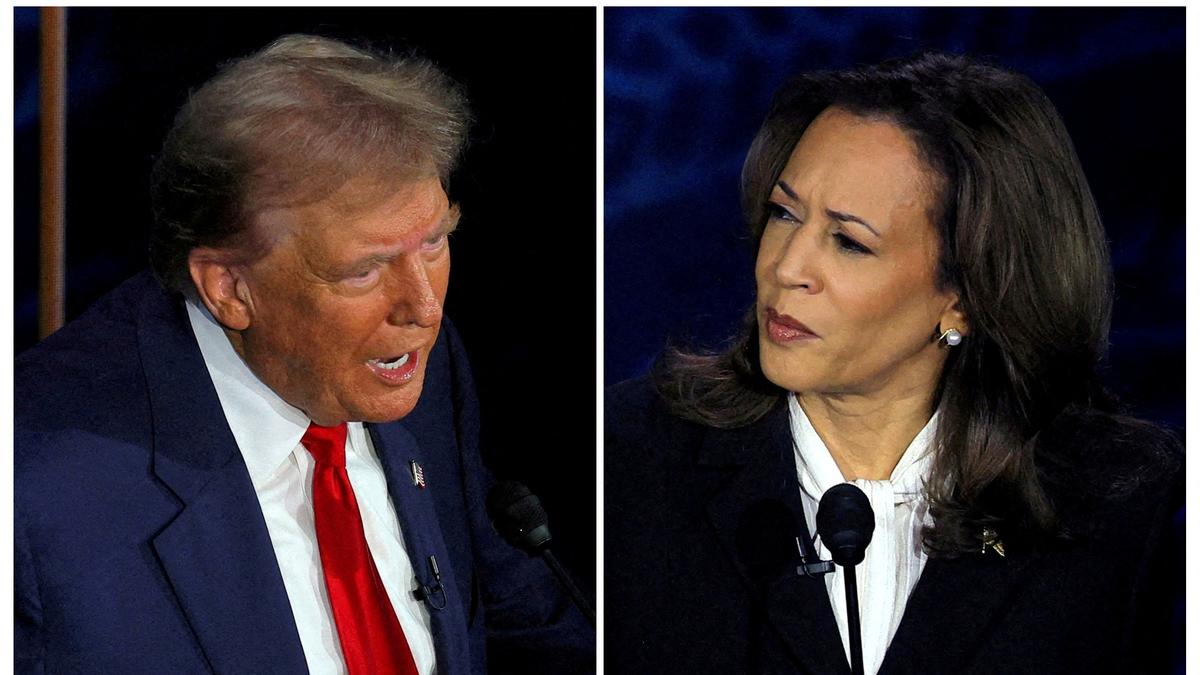
U.S. Vice President Kamala Harris and former President Donald Trump are neck and neck in the race for the White House. It is likely that if Ms Harris wins that many of her policies towards India will pick up where Mr Biden left off. There may be some greater emphasis on issues that are important to the left flank of the Democratic party — such as stronger or more public positions if the U.S. has concerns about democratic norms and human rights in the actions of the Narendra Modi government. There will likely also be a greater engagement with groups in the U.S. who raise these concerns. Inter-governmental discussions on these subjects are largely — but not fully — managed behind closed doors and that is likely to continue.
Any step changes in U.S. policy towards India are more likely to appear if Mr Trump becomes President. These changes may result from first order impacts, such as in trade, the energy sector, or the initiative on Critical and Emerging Technologies (iCET). But there are second order changes which could be at least as profound, but felt only in the medium to long term. These might occur through Mr Trump’s approach to the Ukraine-Russia war, the conflict in West Asia, and importantly actions vis-à-vis China, the South Asian neighbourhood and the Indo Pacific.
Outcomes under a hypothetical second Trump administration are uncertain, not least because of the unpredictability that is at the core of Mr Trump’s strategy and approach.
Given the breadth and depth of iCET, an initiative launched in 2023 by the Biden administration and Narendra Modi government and led by the countries’ National Security Advisors, it is likely to continue.
Watch: Why are U.S. Presidential elections held on Tuesdays?
Consider cooperation in the domain of outer space, an aspect of iCET , for instance. Mr Trump – especially since his close embrace of SpaceX founder Elon Musk, is continuing to show signs that he will be supportive of space exploration and its commercialization. He sought to promote private space exploration by scaling down regulation while in office and targeted a moon-landing by 2024. The Trump administration also established the U.S. Space Command and the U.S. Space Force.
The ground is set for greater space cooperation between India and the US, whether there is a continuity in policy under a Harris administration or a switch to a Trump administration, especially with India signing the Artemis Accords in June 2023.


Maharashtra raises commercial LPG supply by 20% to 50% of pre-crisis levels, benefiting hotels and food-related businesses.

Mumbai police arrest eighth suspect in Rohit Shetty residence firing case, linking the incident to the Shubham Lonkar gang.

Governor Arlekar emphasizes that justice must embody human values, fairness, and accessibility for all citizens at VIT conference.

Justice Bhuyan emphasizes the judiciary's role as impartial, condemning reckless criminal cases and advocating for dissent and fair bail practices.

Vijay announces candidates for all 30 Puducherry Assembly segments as TVK prepares to contest independently on April 9.

Kerala LDF ministers declare assets nearing ₹2 crore each amid upcoming elections, revealing financial details and legal challenges.

Sunil Ambekar of RSS discusses organisational changes and initiatives to unify India and address social challenges in an exclusive interview.

Pinarayi Vijayan predicts the BJP will fail again in Kerala, emphasising the Left's enduring strength and commitment to development.

Small eateries in Coimbatore face operational challenges due to LPG cylinder shortages, impacting service and food prices.

Assembly polls 2026: Follow updates from The Hindu on the upcoming elections in five States, on March 22, 2026

Palla urges NDA leaders to unite for grassroots outreach, enhancing public trust through balanced welfare and development initiatives.

Horses shone at Auroville's 2026 event, showcasing equestrian talent through dressage, derby, and show jumping competitions.

Telangana Governor Shiv Pratap Shukla attends Bihar Foundation Day celebrations in Hyderabad, honoring Bihar's historical and cultural contributions.