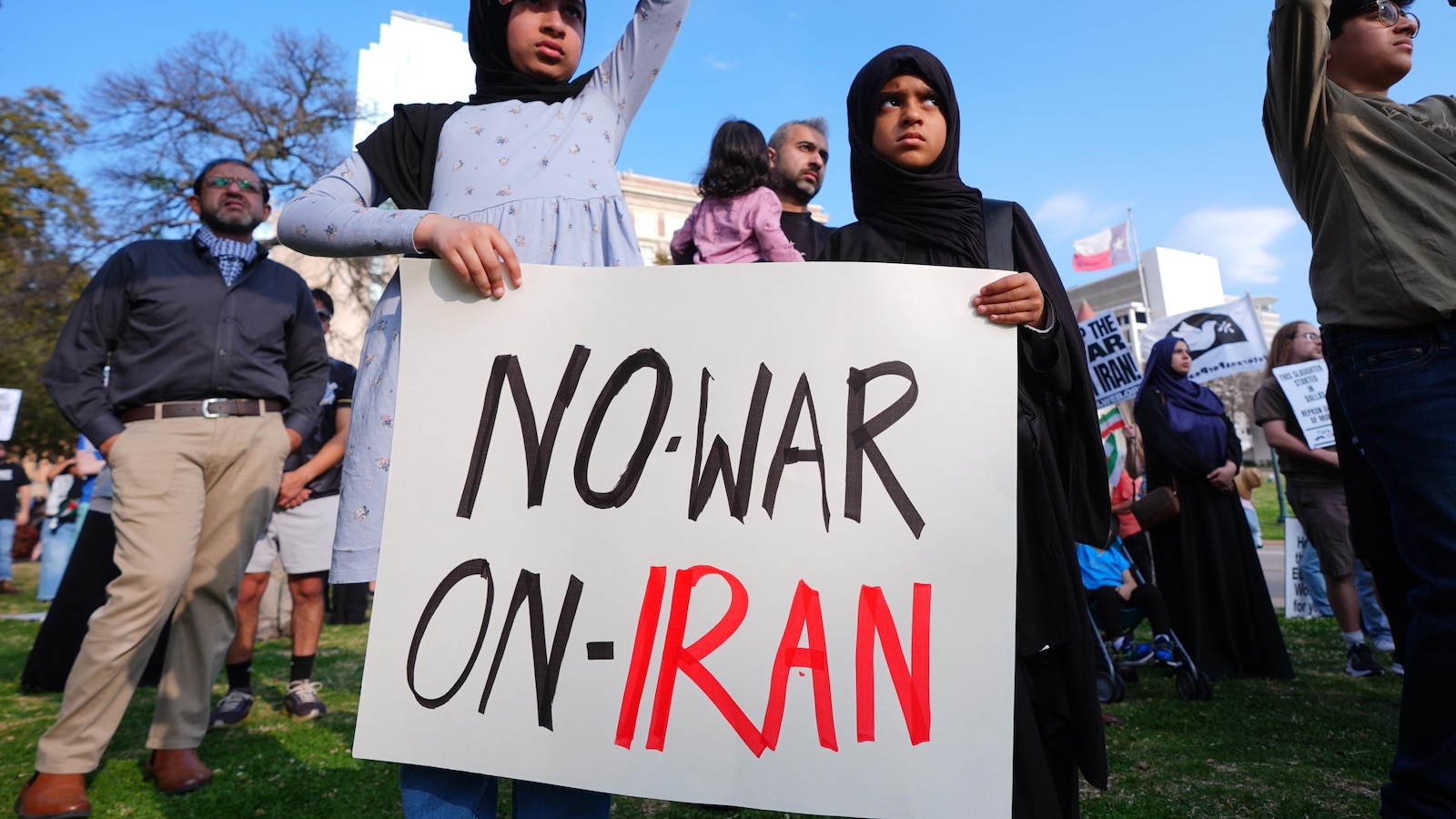
Navigating conversations with children about war, conflict and other traumatic events
ABC News
Experts say adults can help children cope with the latest conflict in the Middle East by making space for conversation, validating their feelings and limiting exposure to frightening or inaccurate information
The latest conflict in the Middle East is developing quickly and deeply complex, which can make it difficult for children to make sense of events they see unfolding on social media, hear adults anxiously discussing or are experiencing in real life. Experts say exposure to war, even if it is indirect, can affect how kids think, feel and behave.
Child psychologists and development experts say talking about it may help.
“Sometimes adults think if they don't talk about something that is difficult, than it doesn't exist. But we know that's not the reality in children's lives,” said Rebecca Smith, the global head of child protection at Save the Children, an international aid and advocacy organization. “Ignoring or avoiding the topic of conflict can lead to children feeling lost, alone and scared. ... It is essential to have open and honest conversations with children to help them process what is happening."
Below are suggestions for having conversations with children about war and its impacts.
Experts recommend starting with what a child might know about what is happening in Ukraine, Gaza, Iran, Israel, Sudan or other parts of the world before attempting to address any feelings of fear, sadness, anger or anxiety.


Rural school districts say the Trump administration’s visa changes are jeopardizing a key source of teachers

Cuba is grappling with a fast-growing wave of synthetic drug use that is hitting young people hard

An old NASA science satellite is no more

Stryker, a U.S. medical equipment company, says a cyberattack has disrupted its global networks

Virginia senators are pushing to curtail a 5.3% tax break for data centers

The Iran war is testing America's ability to combat swarms of cheap drones that have become a staple of the modern battlefield after Ukraine and Russia demonstrated how effective they can be

Hawaii's Kilauea volcano is shooting lava fountains up to 1,000 feet, and falling ash and volcanic fragments are forcing temporary closures on the Big Island

Meta is acquiring Moltbook, a social network where AI agents post and chat with each other

The FDA is approving a generic drug for a very rare genetic disorder, but not for autism

A new study in the journal Nature Cities shows that as temperatures rise aboveground, the number of subway riders reporting uncomfortable heat belowground increases

Tomoko Kobayashi reopened her inn in northeastern Fukushima to bring a sense of normal life back to her deserted hometown five years after the nuclear disaster

French President Emmanuel Macron is traveling to Cyprus

Bigger and bigger data centers are leading to proposals for massive electric power transmission lines, sometimes across hundreds of miles