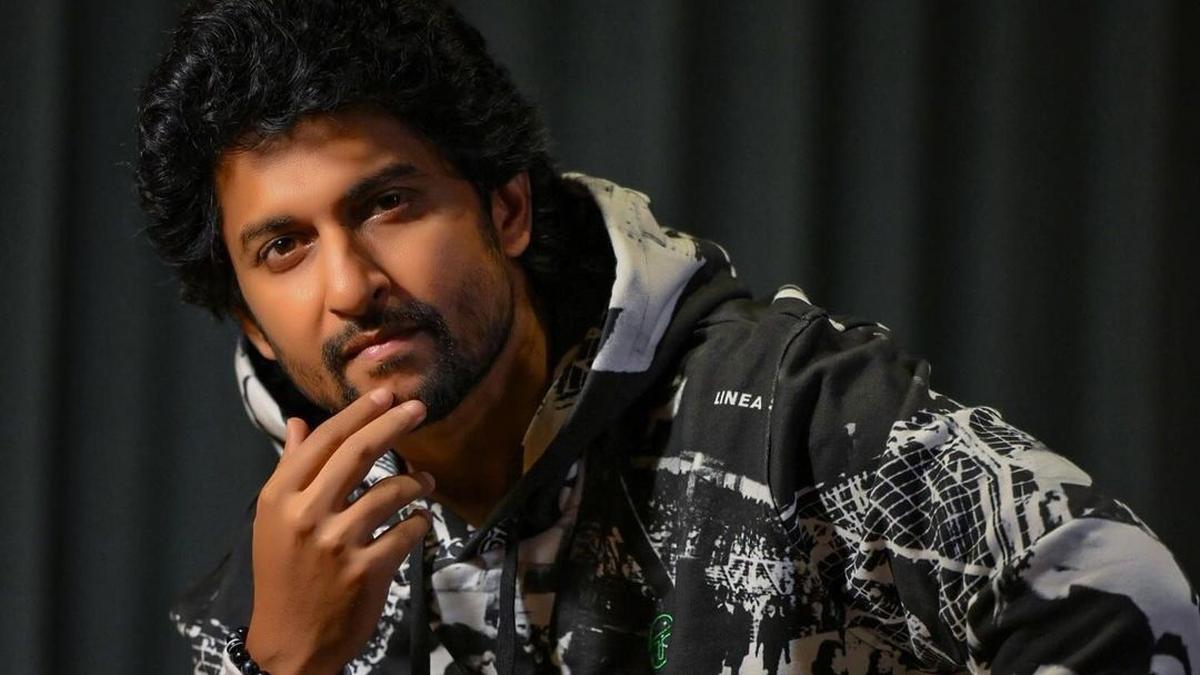
Nani interview on ‘Hi Nanna’: I did not want the success of ‘Dasara’ to dictate what I choose next
The Hindu
Nani interview on ‘Hi Nanna’: I did not want the success of ‘Dasara’ to dictate what I choose next. Hi Nanna, directed by Shouryuv, stars Mrunal Thakur, Shruti Haasan and child actor Kiara
“The emotion might be familiar but the way the story has been written and narrated will make it special for the audience,” says actor Nani, when we catch up for an interview in Hyderabad, days before the release of his new Telugu film, Hi Nanna. The film is a relationship drama in which he plays a single father who has a past and falls in love. Directed by newcomer Shouryuv, Hi Nanna features Mrunal Thakur, child actor Kiara, Jayaram, Priyadarshi Pulikonda, Angad Bedi and Shruti Haasan, and will be released in five languages on December 7.
Edited excerpts from the conversation:
Your previous film Dasara was your first one to cross the ₹100 crore mark at the box office and you shared your happiness through a poster on social media. What did that success mean to you?
I usually do not discuss box office numbers with the media or on stage while promoting my films. I was happy for Srikanth (debut director Srikanth Odela) and the team. Srikanth kept saying that he wanted the film to make it big. He is an innocent guy hailing from Godavarikhani and new to the industry. He was even hesitant to pick up calls from big stars post release since he was unsure how to talk to them.
Prior to the release, some people assumed we are making a film on the lines of Pushpa; others remarked that I was trying to do a mass film. I have done action films in the past, MCA (Middle Class Abbayi) for example, and they have become hits. Dasara’s success made me happy since the film required thrice the effort of a regular film. We filmed near the coal mines at Godavarikhani and some unit members fell ill. The success was a validation of all our efforts.
Looking back at the film objectively, do you think certain aspects could have been better?
That happens with every film when we look back after a year or two. As cinema keeps evolving, we find flaws. Ala Modalaindi was considered a new-age film when it was released. Now it might look old. Even (in the case of) some of the films for which I have received appreciation for my performance, I know I could have done much better.


Priyanka Gandhi criticises PM Modi's West Asia remarks, urging for a comprehensive Parliament discussion on the matter.

Learn who can vote by postal ballot in the upcoming Tamil Nadu Assembly election, including seniors and persons with disabilities.

Decomposed body of a missing 25-year-old man discovered in Dindigul stone quarry, prompting calls for investigation and quarry closure.

SVEEP activities launched in The Nilgiris aim to boost voter turnout at 13 polling booths with low participation rates.

Learn who can vote by postal ballot in the upcoming Tamil Nadu Assembly election, including seniors and persons with disabilities.

Shorts News:Watch: UDF linked to communal forces in Kerala: CPI(M) leader A Vijayaraghavan

Karnataka government postpones Deendayal Upadhyaya event at KSOU Mysuru due to protocol violations and lack of government involvement.

Sameer Wankhede denies bribery allegations involving Shah Rukh Khan’s son in drugs case during Bombay High Court proceedings.

What does it take to design gloves, masks and uniform that factor in the various challenges faced by workers on the waste beat? Indore, Bengaluru and Pune have an answer

Gaurav Gogoi files nomination for Jorhat Assembly seat, marking his electoral debut in the upcoming Assam elections.

A round-up of events and programmes held at colleges in Tiruchi and other Cauvery delta districts

CPI(M) and Congress clash over accusations of aiding BJP, threatening the LDF-UDF duopoly ahead of Kerala Assembly polls 2026.

Shivamogga veterinarians demand accountability for the death of trainee vet Dr. Sameeksha Reddy, citing systemic failures in zoo administration.