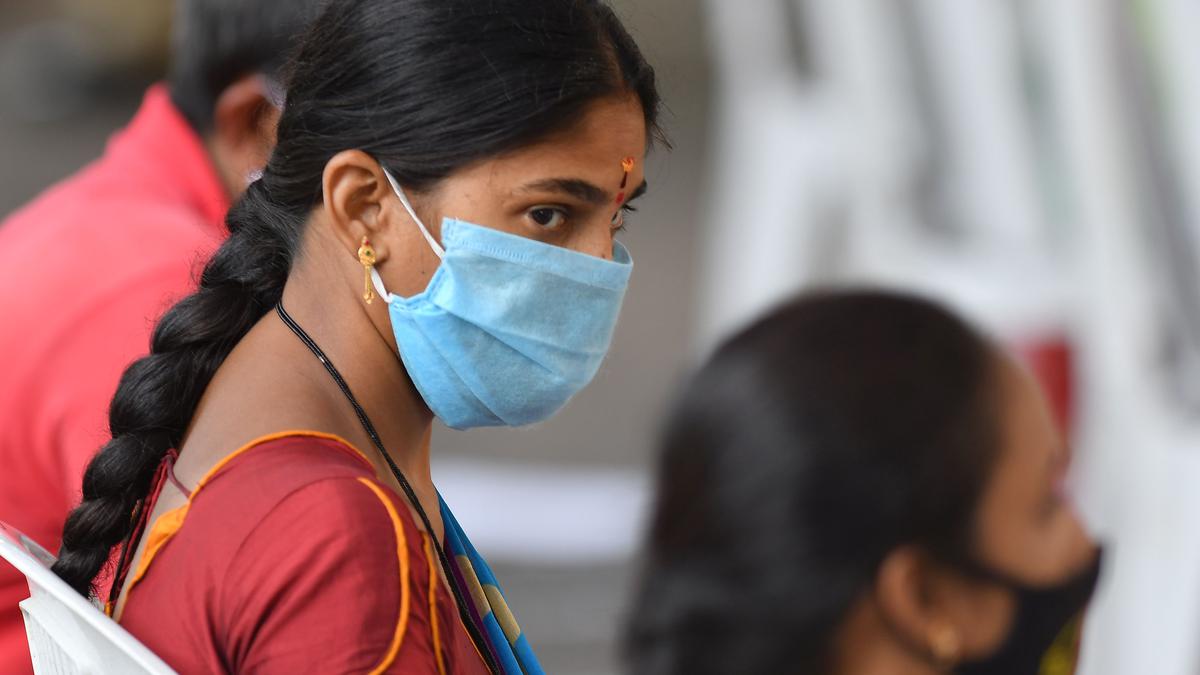
Mpox, AIDS and COVID-19 show the challenges of targeting public health messaging to specific groups without causing stigma
The Hindu
The racial and sexual stigma surrounding monkeypox is what spurred the WHO to rename the disease to mpox in November 2022.
During infectious disease outbreaks, clinicians and public health officials are tasked with providing accurate guidance for the public on how to stay safe and protect themselves and their loved ones. However, sensationalised media coverage can distort how the public perceives new emerging infections, including where they come from and how they spread. This can foster fear and stigma, especially toward communities that are already mistrustful of the health care system.
The racial and sexual stigma surrounding monkeypox is what spurred the World Health Organization (WHO) to rename the disease to mpox in November 2022. While this is a step in the right direction, I believe more work needs to be done to reduce the stigma surrounding infectious diseases like mpox.
I am an infectious disease researcher who studies HIV, COVID-19 and mpox. During the COVID-19 pandemic, I was the lead investigator at the University of Pittsburgh for a national survey looking at how COVID-19 has affected different communities. Effective public health communication isn’t easy when conflicting messages may come from many sources, including family and friends, other community members or the internet. But there are ways that public health officials can make their own messaging more inclusive while mitigating stigma.
Inclusive public health messaging can motivate the public to make better decisions regarding their personal health and the health of others. This effort often involves engaging the communities most affected by an outbreak. Unfortunately, because these communities are heavily affected by the infection and tend to experience some form of inequity, they are often blamed by society for spreading the disease.
COVID-19 drove an increase in hate crimes related to the pandemic against Chinese and other Asian communities in the United States. A 2022 UCLA survey found that 8% of Asian American and Pacific Islander adults in California experienced a COVID-19 related hate incident.
Effective public health messaging can focus on the fact that while infections may first affect certain groups of people, they often spread to other groups and eventually encompass entire communities. Infections are caused by bacteria, viruses and fungi. They don’t discriminate by race, gender or sexual orientation. Messages that focus on the pathogens, rather than the communities, may reduce stigma.
Also Read | Omicron subvariant BF.7, linked to China spike, first found in India in July


Explore 2026's wallpaper trends in India, highlighting botanicals and handmade designs that enhance modern homes with nature-inspired aesthetics.

Mercedes-Benz CLA 250+ with EQ Technology review: design, performance, range and features explained. Discover how the new electric CLA combines advanced AI, long range, fast charging and futuristic styling for the next generation of luxury EVs.

AI tool for sparrow conservation

BTS’s comeback with ‘Arirang’ marks a major global music event. When does the album release, and where can you watch their concert live stream? We have all the details

The 2026 U.S. cholesterol guidelines urge starting screening and treatment at 30 to prevent cardiovascular disease effectively.

Olam Festival 2026 in Thiruvananthapuram returns March 27-29 with 120+ vendors, music, art, and cultural zones.

A few storytellers in Thiruvananthapuram share their journeys, challenges, and evolving methods on World Storytelling Day, inspiring young minds.

76-year-old Kurian Jacob from Kerala triumphs with seven medals, including five golds, at the Open Masters Games in Abu Dhabi.

Explore the nature of the human mind as an emergent property of brain activity and complex neural interactions.

CERN's Large Hadron Collider discovers the Xi-cc-plus particle, enhancing understanding of quantum mechanics and baryon behavior.

Vibha Batra’s latest book, Spotless (Hachette India) is a novel in verse for young adults

In its first edition, the Madras Art Salon spotlights the works of journalist and artist Narayan Lakshman at The Botanical Club, a social space in the British Deputy High Commission, Chennai

Cholesterol enhances melanoma cell invasion by making nuclei squishier, revealing a potential treatment target in cancer progression.