Moving from gruesome handling of street dogs to a humane ABC programme
The Hindu
Exploring the historical treatment of street dogs in the city, from lethal chambers to the Animal Birth Control program.
Every once in a while, we read news reports on the street canine population in the city. It is an issue that is forever work in progress. In the last few months, circumstances have so arranged themselves that I have, with my research assistant S. Lashman (unlike Psmith who added a P to his name, this young man dropped a K), been delving deep into animal history in the city and a thread emerged on the way we have historically treated our street dogs.
In the early years of the 20th Century, which is when the administration began tackling the problem, the solution was to send out specially-appointed officers who just shot dead street dogs suspected to be rabid.
But that did not solve the problem and so came a horrifyingly cruel method of gassing all street dogs. A van went around picking them up and they were then brought to a pound where they were killed.
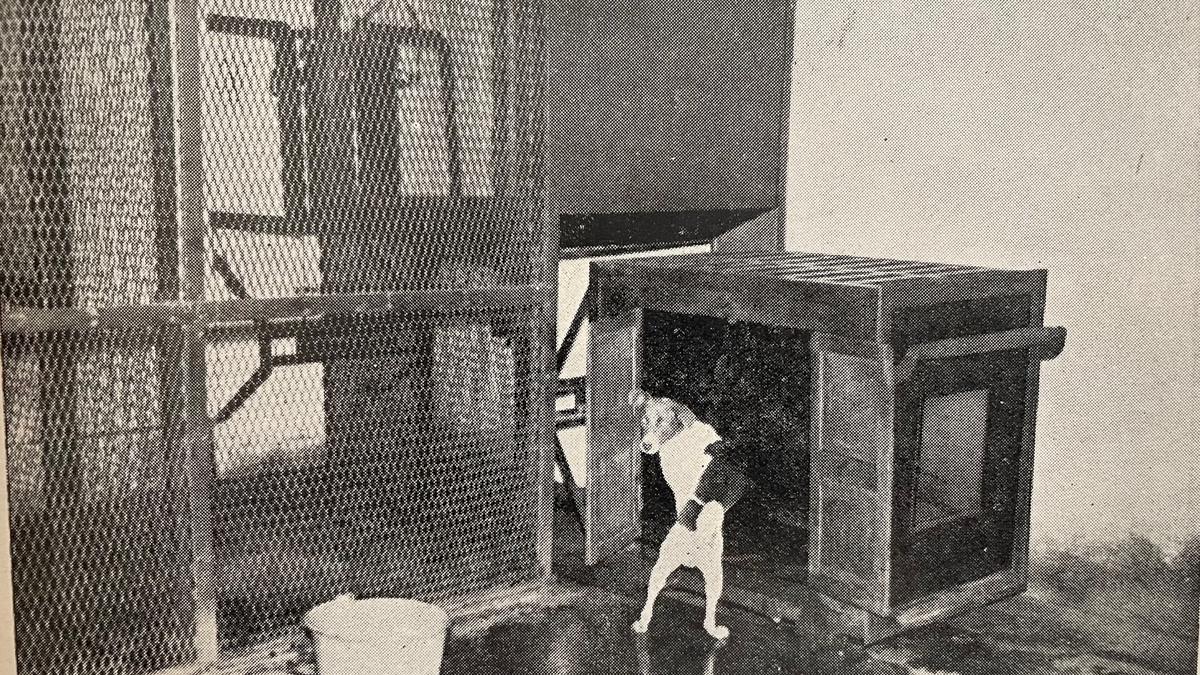
This was the dreaded lethal chamber where a number of dogs were thrust into a wooden box and lowered into a masonry chamber about 4 feet cube. Then the door was closed and gas turned on. It took about a quarter of an hour for the dogs to die. Shades of Nazi Germany?
“The yells of the dying dogs were most unbearable,” noted Rao Bahadur C.V. Krishnaswami Chetty, son-in-law of the builder baron Namberumal Chetty and the then Engineer of the Madras Corporation. Better known as the father of broadcasting in India, he having pioneered that service in 1924 with his Madras Presidency Radio Club which later became the Corporation Radio and still later the AIR, Chetty was horrified at the plight of the dogs and decided to make the final moments less painful. He set about creating an electrocution chamber in which the animal was subject to a high voltage shock that made death instantaneous. As many as 50 animals were killed in a day with this invention.
That macabre piece of history enters its 95th year this week, for it went live on April 1, 1930. There was an even more frightening outcome — the carcasses were fed to the wild animals in the Madras Zoo which was just next door to the Corporation premises. Presumably the rabid ones were not part of the feeding programme.
But all of this did not seem to have any impact on the number of street dogs. The Corporation would continue with its catch-and-kill programme till as late as 1995, when, thanks to a sustained campaign by the Blue Cross of India and Maneka Gandhi as Union Cabinet Minister, the Animal Birth Control programme was introduced.


GHMC intensifies action against property tax defaulters, seizing properties and offering a One Time Settlement scheme for payments.

CCB arrests three drug peddlers in Mangaluru, seizing ₹2.5 lakh worth of MDMA and other valuables.

TVK's 28 candidates in Puducherry include former BJP MLAs, a sitting Independent, and a retired police IG.

BRS submits notice on private member bill to Speaker

CPI-M accepts DMK's five-seat offer for Tamil Nadu Assembly elections, prioritizing INDIA bloc unity over seat demands.

Ricky Rai, son of former underworld operative Muthappa Rai, on Monday appeared before the Bengaluru Traffic Police for questioning in connection with a case involving a Lamborghini performing dangerous stunts at Anil Kumble Circle on March 21.

The Dispur election heats up as 'CongBJP' defections shape a high-stakes contest between veteran candidates from BJP and Congress.

Bengaluru's M. Chinnaswamy Stadium conducts readiness drill ahead of IPL 2026, ensuring upgrades and technical preparations are complete.

First-level randomisation of EVMs completed in Nagapattinam for upcoming elections, ensuring transparency and security.

A district-level committee in Krishnagiri has been formed to assess and verify seizure claims of goods and cash.

Minister Anam Ramanarayana Reddy pledges government support for local fishermen and farmers facing challenges in Andhra Pradesh.

MP M. Sribharat urges collective efforts to revive Visakhapatnam Steel Plant, highlighting key reforms for crucial recovery and growth.

141 candidates have filed nominations for Kozhikode's Assembly elections, with scrutiny on March 24 and campaigning intensifying.