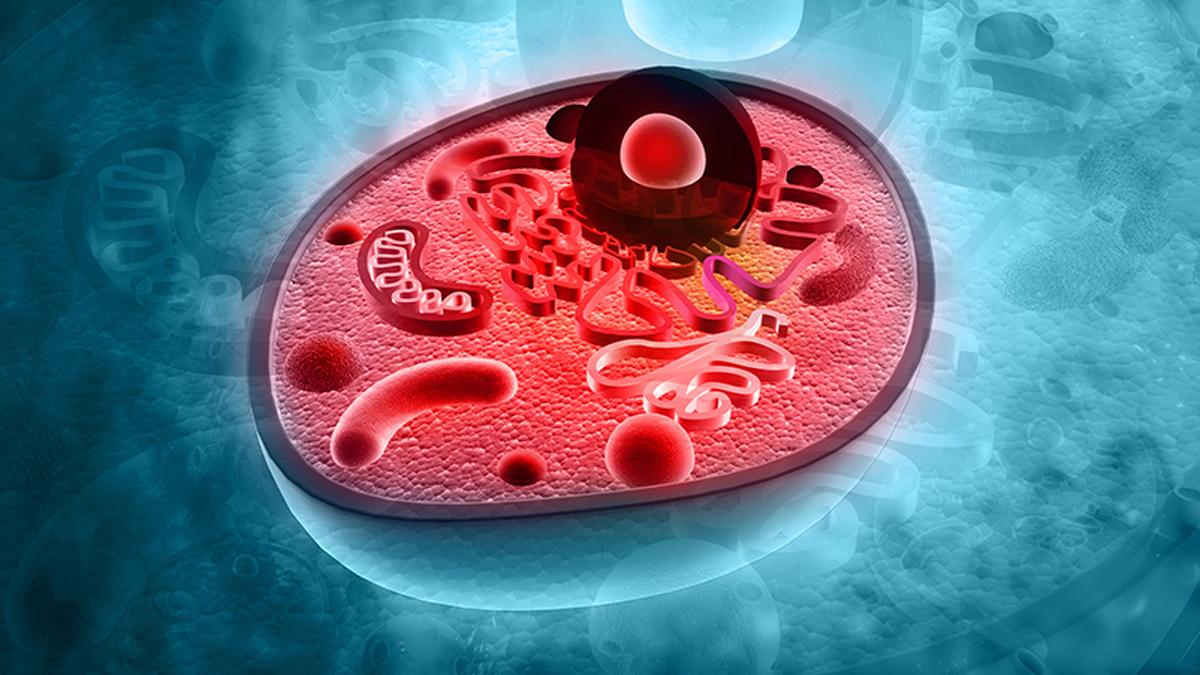
Mitochondria keep your brain cells alive − helping them run smoothly may protect against Parkinson’s disease
The Hindu
Researchers investigate role of mitochondria in Parkinson's disease, targeting key protein Drp1 for potential treatments.
In 1817, a British physician named James Parkinson published An Essay on the Shaking Palsy, describing for the first time, cases of a neurodegenerative disorder now known as Parkinson’s disease. Today, Parkinson’s disease is the second most common neurodegenerative disease in the U.S. It affects about 1 million Americans and more than 10 million people worldwide.
The signature shaking in patients with the disease is the result of dying brain cells that control movement. To date, there are no treatments available that can stop or slow down the death of those cells.
We are researchers who studyParkinson’s disease. For over a decade, our lab has been investigating the role that mitochondria – the powerhouses that fuel cells – play in Parkinson’s.
Our research has identified a key protein that could lead to new treatments for Parkinson’s disease and other brain conditions.
Unlike actual power plants, which are set in size and location, mitochondria are rather dynamic. They constantly shift in size, number and location, traveling between many different parts of the cells to meet different demands. These mitochondrial dynamics are vital to not only the function of mitochondria but also the health of cells overall.
A cell is like a factory. Multiple departments must seamlessly work together for smooth operations. Because many major processes interconnect, impaired mitochondrial dynamics could cause a domino effect across departments and vice versa. Collective malfunction in different parts of the cell eventually leads to cell death.
Emerging studies have linked imbalances in mitochondrial processes to different neurodegenerative diseases, including Parkinson’s disease. In many neurodegenerative disorders, certain disease-related factors, such as toxic proteins and environmental neurotoxins, disrupt the harmony of mitochondrial fusion and division.


Karnataka Dalit Sangharsha Samiti (DSS) has urged the State government to begin the process of filling up 56,432 posts only after rectifying the mistakes in fixing the roster and implementing the internal reservation among Scheduled Castes.

Rebel nominations in Karaikal expose tensions within electoral alliances, risking voter fragmentation ahead of the Puducherry Assembly elections.

CCPA prohibits restaurants and hotels from imposing unfair LPG charges, labeling them as unjustified and against consumer protection guidelines.

Andhra Pradesh receives ₹19.47 crore for 44 handloom clusters, benefiting over 10,000 weavers under the National Handloom Development Programme.

Stay updated with The Hindu’s on-ground Tamil Nadu Assembly election coverage and voter insights across key constituencies.

Mettur dam water level reaches 82.770 feet, with inflow at 361 cusecs and discharge at 801 cusecs.

Udhagamandalam faces challenges in tourism and tea sectors due to poor infrastructure, pollution, and urbanization ahead of summer season.

Social activists and journalists from Shivamogga, who placed the demand for a strict law to stop honour killings, have thanked the State government for tabling the Bill and getting it passed in both Houses of the legislature with the support of all other parties.

Erode (East) voters prioritize pollution control, traffic solutions, and urban infrastructure as key issues ahead of upcoming elections.

T. Jeevan Reddy resigns from Congress after 42 years, criticizing party leadership and the influence of defectors.

Kanniyakumari Collector inspects vulnerable and sensitive polling stations

Westbrook: Opening Doors to your Child’s Best Start

The Mangaluru Chapter of the Indian National Trust for Art and Cultural Heritage (INTACH) organised a special lecture in memory of Rashtrakavi Manjeshwara Govinda Pai on Monday.