Michigan's Covid-19 surge becomes a reality check for a restless nation
CNN
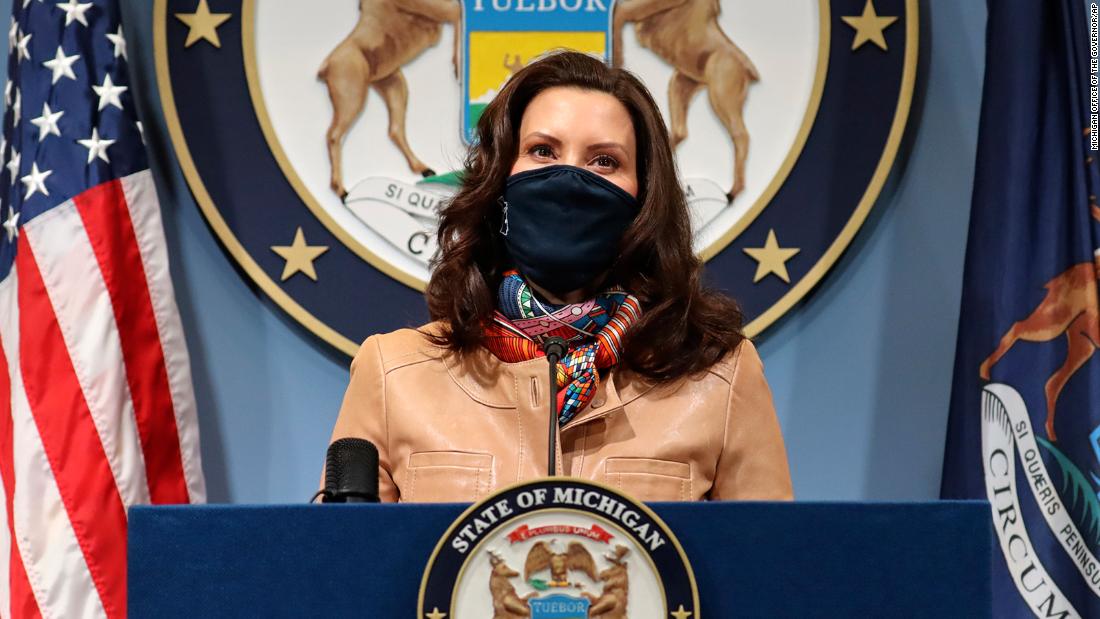
Amid an alarming surge in Covid-19 cases in Michigan, Gov. Gretchen Whitmer's Friday appeal to her state's residents to voluntarily take a two-week pause on indoor dining and gatherings was a sobering message and a reality check for Americans who have been returning to many of their old pastimes as the pace of vaccinations picks up.
"There's light at the end of this tunnel, but the recent rise in cases is a reminder that we are still in the tunnel," the Democratic governor said, urging people to continue to take precautions and get the vaccine -- which is now available to anyone 16 and older in her state. "That's the nature of this virus, the second we let our guard down it comes roaring back." Nationally, case numbers and hospitalizations rose last week compared with the previous seven-day period, even as deaths continue to fall. In Michigan, hospitals are once again weighing whether to cancel elective surgeries, and last week Michigan cities accounted for seven of the 10 worst Covid-19 outbreaks in urban areas. The state's predicament points to the difficult balancing act that the Biden administration faces as it tries to project optimism while fighting complacency about the virus -- and the new pressure it faces to change its vaccine allocation formula by sending more vaccine doses to areas with the worst outbreaks.

Lt. Gov. Juliana Stratton’s win in the Senate Democratic primary was also a win for Gov. JB Pritzker, while big-spending groups like AIPAC got mixed results in Tuesday’s contests.

United Farm Workers is not participating in annual celebratory events this month of its co-founder Cesar Chavez over what it calls serious allegations the union did not specify

Illinois Lt. Gov. Juliana Stratton will win the Democratic primary for an open Senate seat, CNN projects, a stunning rise for a little-known state officer now on a glide path to Washington.

President Donald Trump promised his endorsement was forthcoming in the GOP Texas Senate runoff and said he wanted whoever he didn’t pick to drop out. But now — preoccupied with the Iran war and a doomed voting bill — he’s missed a critical deadline.

The Senate has kicked off extended debate on the “SAVE America Act” — one of President Donald Trump’s top legislative priorities.

Organized crime in Latin America is proving difficult to defeat with the kind of decapitation strategy apparently favored by US President Donald Trump.

The conservative movement’s internal debate over the Iran war entered a new phase on Tuesday, with the first resignation of a prominent Trump appointee who criticized the war.

Arizona’s attorney general has filed the first-ever criminal charges in the US against a major prediction market company, accusing Kalshi of running an illegal gambling operation in violation of state law.

President Donald Trump’s brief and aggressive attempt to corral an international coalition to police the Strait of Hormuz concluded in disappointment on Tuesday.

House Oversight Chair James Comer on Tuesday issued a subpoena to Attorney General Pam Bondi to appear for a deposition on April 14 as part of the panel’s Jeffrey Epstein probe.

President Trump’s latest comments about the Iran war make him look out of the loop and unprepared.

Travelers are experiencing long security lines at a number of airports as TSA workers continue to work without pay. Follow for live updates.

A senior US intelligence official appointed by President Donald Trump abruptly announced he is stepping down from his post on Tuesday, citing misgivings about the administration’s war with Iran.