Meet Chennai researchers who study heat stress
The Hindu
While everyone stresses about the soaring mercury, these three groups of researchers are studying heat stress in and around Chennai and how it impacts human health and the economy. They share the details of their work with The Hindu
It is a hot and humid Friday in Chennai and beyond. A team of researchers from Chennai have headed to the Marakkanam salt pans in Villupuram district. Team members have fanned out to different sections of the salt pans.
One researcher is collecting urine sample of workers, another is collecting blood, a group is interviewing workers and another set of them is measuring heat with sophisticated instruments.
When the sun goes down they would return to their lab at Sri Ramachandra Institute of Higher Education and Research to document their findings. Once the field evidence is consolidated, analysed, peer-reviewed, the team would work on advocacy. This research is needed to better understand the impact of heat and heatwaves on human health, especially the vulnerable population, to develop effective mitigation strategies and improve public health interventions.
Vidhya Venugopal, professor of Climate Change, Occupational and Environmental Health at Sri Ramachandra Institute of Higher Education and Research, who is leading this team of researchers, says many lesser-known heat-related illnesses often go unrecognised.
As a global expert in heat and health, Vidhya has studied how high temperatures affect kidney, pregnant women and communities among others. While the direct affect of heat stroke is widely acknowledged, kidney ailments and cardiovascular diseases are not commonly associated with heat.
Having worked in the area for the last 16 years, she says they have rich data to show that heat stress poses significant health risks for vulnerable groups.
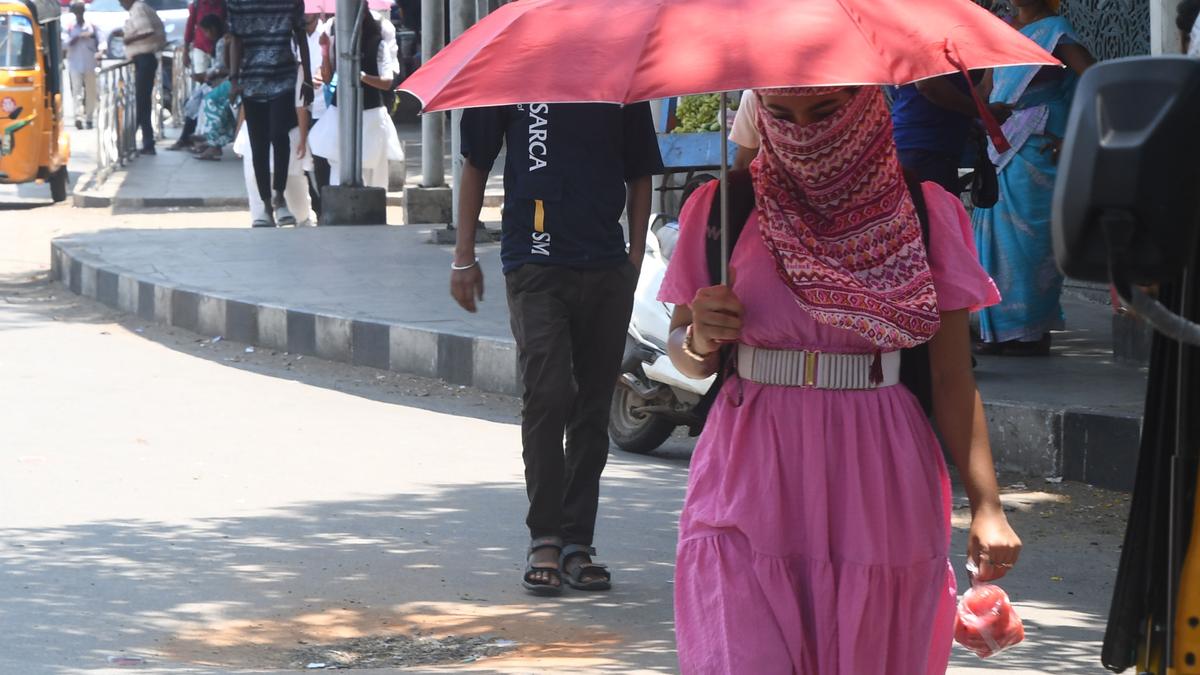
This summer, their outreach work extended to street vendors in the city. They like to focus more on women, especially as their working conditions are such that they avoid drinking water and this leads to dehydration and other issues, she says.


In 2014, Amazon introduced its first smartphone, hoping to take on Apple and Samsung. Instead, the Fire Phone, overseen directly by founder Jeff Bezos, was scrapped in barely over a year, one of Amazon’s highest-profile flops.

A data jam on March 28 by OpenCity will have participants studying how the Assembly constituencies in and around Chennai are faring on a set of parameters

IUML files police complaint over a fake Facebook post targeting its leader, warning against misinformation and potential legal action.

Experience global flavors at Vizag's 'World Flavours' food festival, celebrating cultural unity through authentic international cuisines.

Three men were killed in a road mishap after their mini truck crashed into a stationary truck near Medahalli in east Bengaluru on Saturday night, police said.

Kerala's critical sectors face LPG shortages despite a 20% relief allocation, impacting restaurants and hotels significantly.

Explore the Sattankulam custodial torture deaths of P. Jayaraj and his son J. Benicks, revealing a shocking tale of police brutality.

Explore the Sattankulam custodial torture deaths of P. Jayaraj and his son J. Benicks, revealing a shocking tale of police brutality.

The 2026 Assembly elections in India will involve Assam, West Bengal, Kerala, Tamil Nadu, and Puducherry across 824 constituencies.

Ernakulam initiates a drive to recycle old clothes into eco-friendly mobile holders for polling stations, promoting sustainability.

BJP distances itself from vegetarianism in West Bengal, promoting non-vegetarian diets to win over local voters.

Assembly polls 2026: Follow updates from The Hindu on the upcoming elections in five States, on March 23, 2026

AIMIM partners with Humayun Kabir’s AJUP for West Bengal Assembly polls, fielding candidates in key constituencies for 2026 elections.