Medicinal foods: A missing category on the regulator’s plate Premium
The Hindu
Discover the intersection of food and medicine through traditional plant knowledge, nutraceuticals, and regulatory challenges in the 21st century.
Nature’s bounty has provided humans with a wide diversity of plants that we consume daily as food. In some Indigenous knowledge systems such as Ayurveda the same plants are also recognised as medicines. Throughout the 21st century, researchers discovered novel compounds and drugs from plants used in traditional medicine; today, the world is mining the same plants and knowledge base for wider health benefits.
Sustainable, natural products are increasingly in demand as nutraceuticals: food ingredients with both nutritional and pharmaceutical benefits and which promote wellness. The authors of this article — from the University of Trans-Disciplinary Health Sciences and Technology (TDU), Bengaluru and the ‘Plants for Health’ team at the Royal Botanic Gardens in the U.K. — recently conducted a study funded by the British High Commission. We found that of the 7,564 medicinal species listed in 11 referenced sources, approximately a quarter (1,788) were documented as food as well as medicine.
Although centuries of traditional use provides empirical support for the use of plants for medicinal purposes, many and their derivatives can be found in the market today in new combinations, recipes, and applications that are far removed from their prior classical use. For instance, several herbs are available in the form of pills today, but in antiquity a physician may have recommended consuming them in the form of a decoction in warm water. While traditional use is generally safe as food, are these new avatars safe as medicines as well? How will plants be identified for potential nutraceutical benefits? And who will regulate the uses of a plant that is a food as well as a medicine?
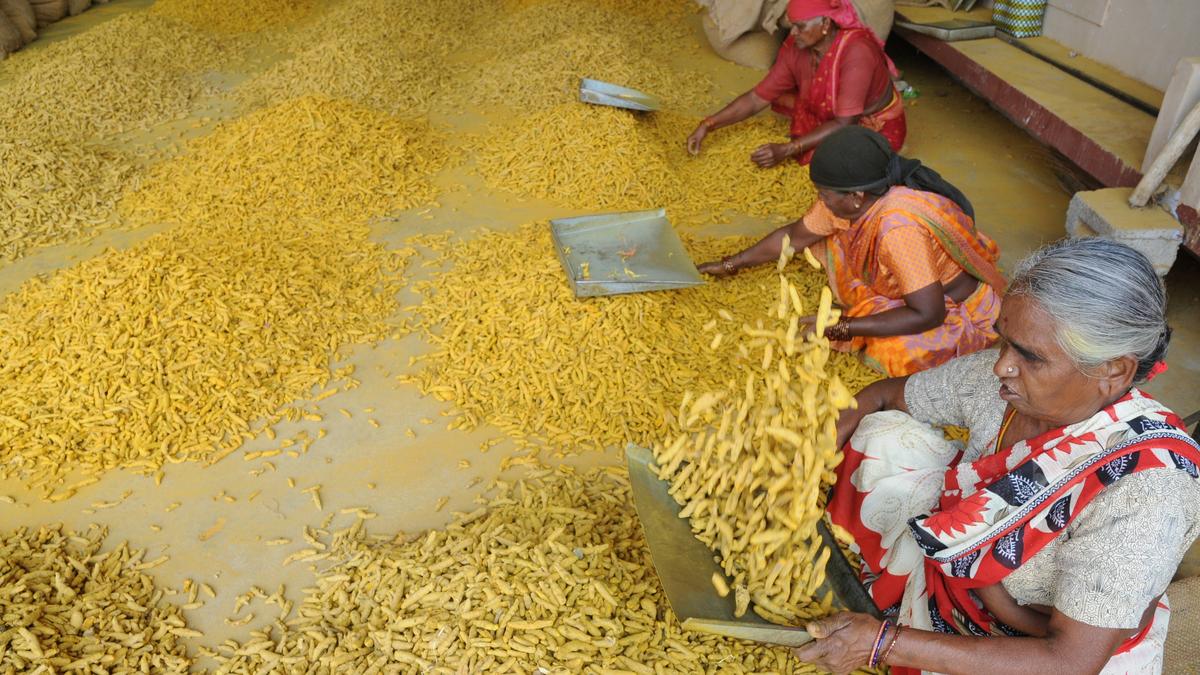
Consider turmeric, the staple spice of the Indian pantry. There is a rich store of information from traditional sources as to its therapeutic value and culinary use, and a large volume of scientific studies of both the whole rhizome as well as of one of its better known bioactives, curcumin. From cancer to inflammation, researchers have explored turmeric’s potential in laboratory tests and clinical trials, with many positive results. What may not be apparent to a layperson, however, is that the dose in which we consume turmeric as a spice is much lower than the dose in which it is used in therapeutic trials. It is uncommon to find warnings attesting to the fact that high daily doses of turmeric can have toxic effects.
Of the 1,788 Indian food plants identified by this work as being used as both food and medicine, just over 5% (or 139 species) are documented in the 2017 Indian Food Composition Table (IFCT), the official reference for the nutrient value of commonly used food ingredients. The Ayurvedic pharmacopoeia cites herbal substances derived from 334 plants. The overlap of plant species between the IFCT and the Ayurvedic pharmacopoeia is more than 90%, underscoring why consumers believe ethnomedicines can be consumed as food.
An analysis of the contents of the 11 published references threw up two other problems with the listing of plants: (i) an extraordinary level of discordance and ambiguity in how scientific names are used to refer to plants, and (ii) the lack of information and conflicting evidence about the plant parts to be used. In total, we found 21,033 different scientific plant names were cited in the 11 reviewed publications. But because of synonymy, these names refer to just 7,564 different plants — an issue that extends to the scientific literature as well. These scientific synonyms add to the complexity for regulators; for consumers when they are trying to find the relevant information; and for researchers when they are comparing their findings related to a plant across different scientific studies.
The scientific name of many life-forms is binomial: the name of the genusand the name of the species in that genus. For example, in Homo sapiens, ‘Homo’ is the genus and ‘sapiens’ is the species name. For plants the binomial name also includes the name of the person who first published that Latin name. This name however is not fixed.


Discover the Minor Planet Centre, the key hub for tracking and verifying observations of small solar system bodies.

Discover the Minor Planet Centre, the key hub for tracking and verifying observations of small solar system bodies.

In this week's Science for All newsletter, XX explains

Test your knowledge with the quiz on Science films at the Oscars through history

Set between the Siwalik hills and the plains, Butwal offers travellers a mix of regional cuisine, pilgrimage trails to Lumbini and the comfort of Hyatt’s new hospitality landmark

Explore 2026's wallpaper trends in India, highlighting botanicals and handmade designs that enhance modern homes with nature-inspired aesthetics.

Mercedes-Benz CLA 250+ with EQ Technology review: design, performance, range and features explained. Discover how the new electric CLA combines advanced AI, long range, fast charging and futuristic styling for the next generation of luxury EVs.

AI tool for sparrow conservation

BTS’s comeback with ‘Arirang’ marks a major global music event. When does the album release, and where can you watch their concert live stream? We have all the details

The 2026 U.S. cholesterol guidelines urge starting screening and treatment at 30 to prevent cardiovascular disease effectively.

Olam Festival 2026 in Thiruvananthapuram returns March 27-29 with 120+ vendors, music, art, and cultural zones.

A few storytellers in Thiruvananthapuram share their journeys, challenges, and evolving methods on World Storytelling Day, inspiring young minds.

76-year-old Kurian Jacob from Kerala triumphs with seven medals, including five golds, at the Open Masters Games in Abu Dhabi.