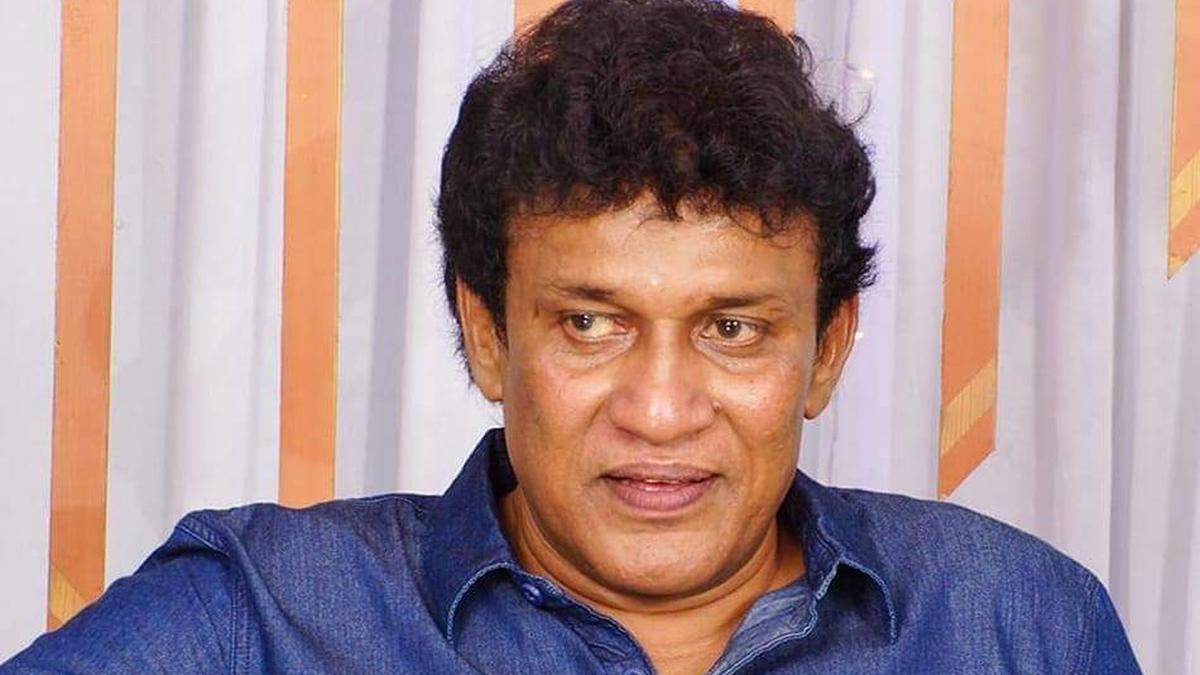
Mano Ganesan moots Tamil caucus in Sri Lankan Parliament
The Hindu
Sri Lankan Opposition MP Mano Ganesan has recently mooted setting up a “Tamil caucus” in Sri Lanka's Parliament
In a bid to ensure Sri Lanka’s main political parties do not “take numerical minorities for granted” anymore, Opposition MP Mano Ganesan has recently mooted setting up a “Tamil caucus” in Parliament.
The “caucus”, he said, would allow Tamil legislators to express the “collective desire” of the island’s Tamil speaking peoples. Although Sri Lanka’s Tamils in the north and east, the Malaiyaha Tamils living across Central, Uva, Southern and Western Provinces, and the Tamil-speaking Muslims, may have different aspirations and political aims, their shared desire to live “within an undivided Sri Lanka, sharing wealth and power as combined stake holders of national sovereignty” must be collectively articulated, the leader of the Tamil Progressive Alliance (TPA) said.
“It [the caucus] will help us commence a collective dialogue with all the national political parties, and beyond politicians, reach out to the Sinhala community leaders and organisations; as well as the international community and development partners, and urge them to use their good offices to ensure Sri Lanka stands by its international commitments,” Mr. Ganesan told The Hindu at his Colombo residence. So far, some parties have responded positively, he said.
Also read | Sri Lanka MP Mano Ganesan seeks assistance from T.N. CM for Indian-origin Tamils in Sri Lanka
Currently part of the main Opposition alliance led by Samagi Jana Balawegaya (SJB or United People’s Force), the TPA, representing Malaiyaha Tamils, was among the few political groups to retain all of its six parliamentary seats in the last general election. Mr. Ganesan’s recent outreach comes amid speculation over national elections next year. Sri Lanka’s twice-postponed — owing to “lack of funds” — local government elections may not be held anytime soon, despite Sri Lanka’s Supreme Court restraining authorities from withholding funds, but all signs point to a presidential poll early next year, according to the legislator.
“I met President Ranil Wickremesinghe one-on-one recently. He told me that he would run [for President],” said Mr. Ganesan, who was a Cabinet minister in the former Sirisena-Wickremesinghe administration.
Six-time Prime Minister Mr. Wickremesinghe was elected President through an urgent parliamentary vote in in July 2022, after Gotabaya Rajapaksa was unceremoniously ousted by a people’s uprising at the height of Sri Lanka’s crisis. The country’s constitution bars a President elected by Parliament when the office falls vacant as it did last year, from calling for early elections. Such a move would require a constitutional amendment, and possibly a referendum.


Donald Trump claims he saved 10 million lives by stopping the India-Pakistan conflict, citing praise from Pakistan's Prime Minister.

U.S. warns airlines of military activities over Mexico and Central America, citing potential navigation hazards, as tensions rise.

Emergency calls reveal chaos in Minneapolis after an ICE shooting, sparking unrest and national debate over immigration enforcement.

Syrian troops prepare to attack Kurdish towns as SDF withdraws, escalating tensions amid stalled negotiations with the Damascus government.

Nepal's Election Commission recognizes the reformist faction of Nepali Congress as legitimate, amid internal disputes before crucial elections.

Trump threatens tariffs on countries opposing U.S. control of Greenland amid ongoing diplomatic tensions with Denmark and Greenland.

Elon Musk's X experiences global outages, affecting tens of thousands with over 62,000 reports of issues, Downdetector reveals.

Iran's protests decline after a deadly crackdown, with 3,000 arrests reported amid heightened tensions and international diplomatic efforts.

Canada cuts tariffs on Chinese EVs for reduced farm product tariffs, aiming to improve relations and global governance with China.

Saudi Arabia's opposition to a U.S. strike on Iran stems from concerns over regional stability, governance, and shifting geopolitical dynamics.

UK condemns violence in Bangladesh, urging for peaceful elections and protection of religious minorities amid rising tensions.

Myanmar defends its military actions against Rohingya as counter-terrorism at the UN court, denying genocide allegations.

Russia affirms Greenland as Danish territory, criticizing Western claims of threats from Moscow and Beijing amid ongoing geopolitical tensions.