Mallawa to set up plant to make hydrogen-powered e-buses
The Hindu
CHENNAI
Mallawa Ventures Inc., an early-stage global technology provider specialising in smart cities transportation, said it will set up a facility near Chennai to make hydrogen‐powered electric buses.
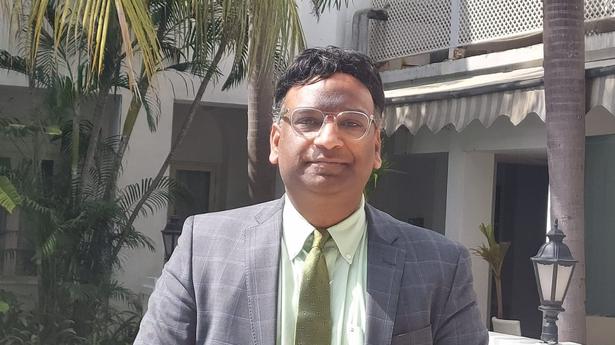
“We have identified nearly 500 acres of land to set up the unit and plans are on to start operations soon,” Raj Karan, president and CEO, told repoters.
According to him, the prototype would be ready in the next 12 months. Besides, Mallawa would also set up a hydrogen fuel generation plant and about 10 charging stations in the city.
“The investment in the hydrogen-powered e-buses is about ₹8,000 crore to be done in phases till 2030. Hydrogen fuel generation plant will call for an investment of ₹350 crore and charging station about ₹80 crore,” he said.
Mr. Karan said that he is in talks with the officials of State government and State Road Transport Undertakings, private bus owners and omni bus owners to push the new concept.
“While people are still juggling with petrol, diesel and CNG, we have already introduced H20 fuel cell buses. This segment is still in nascent stage in India. Over the next three years, we are likely to see more players entering into this segment,” he said.
Asserting that the cost of the vehicle will be twice that of the existing ones, he said the running cost would be much lower and vehicles could run for 350 km-750 km per charge.


Discover the key changes in the New Income Tax Rules 2026, simplifying compliance and enhancing deductions for taxpayers.

Palantir, which won a contract to supply AI systems to Britain’s Financial Conduct Authority, will not have access to regulatory intelligence, an FCA official said

Arm Holdings announced a new artificial intelligence data centre chip on Tuesday which it said will add billions of dollars of revenue

Amazon said on Monday its Amazon Web Services region in Bahrain has been “disrupted” amid the current conflict in the Middle East

Petroleum Ministry directs reforms to enhance natural gas infrastructure, streamline approvals, and ease transition from LPG to PNG.

The Sora decision means the end of a blockbuster $1 billion deal between Disney and the ChatGPT maker that was announced a little more than three months ago.

Regulator mandates city gas distributors to provide piped gas to educational institutions within five days, supporting India's transition from LPG to PNG.

NHAI's Raajmarga InvIT listed on BSE, enhancing investor participation in highway infrastructure with strong demand and oversubscription.

HDFC Life Insurance faces ₹172 crore Income Tax order for alleged violations, plans to appeal the decision.

Air-conditioner makers in India are looking forward to FY27 with hope as the war in West Asia threatens to impact plastic component availability and consumer sentiment, adding to the challenges around raw material price and new energy label, a senior executive of a leading company has said.

Rupee falls 23 paise to an all-time low of 93.76 against the U.S. dollar amid foreign fund outflows and global uncertainties.

Stock markets surged nearly 2% as Trump paused strikes on Iran, boosting investor confidence amid easing geopolitical tensions.

Coal Minister urges State leaders to maintain stable coal prices amid rising global costs, assuring ample domestic supply.