Maharashtra government drops proposed 6% tax on high-end EVs
The Hindu
Maharashtra CM cancels 6% tax on high-end EVs above ₹30 lakh due to concerns over impact on adoption and revenue.
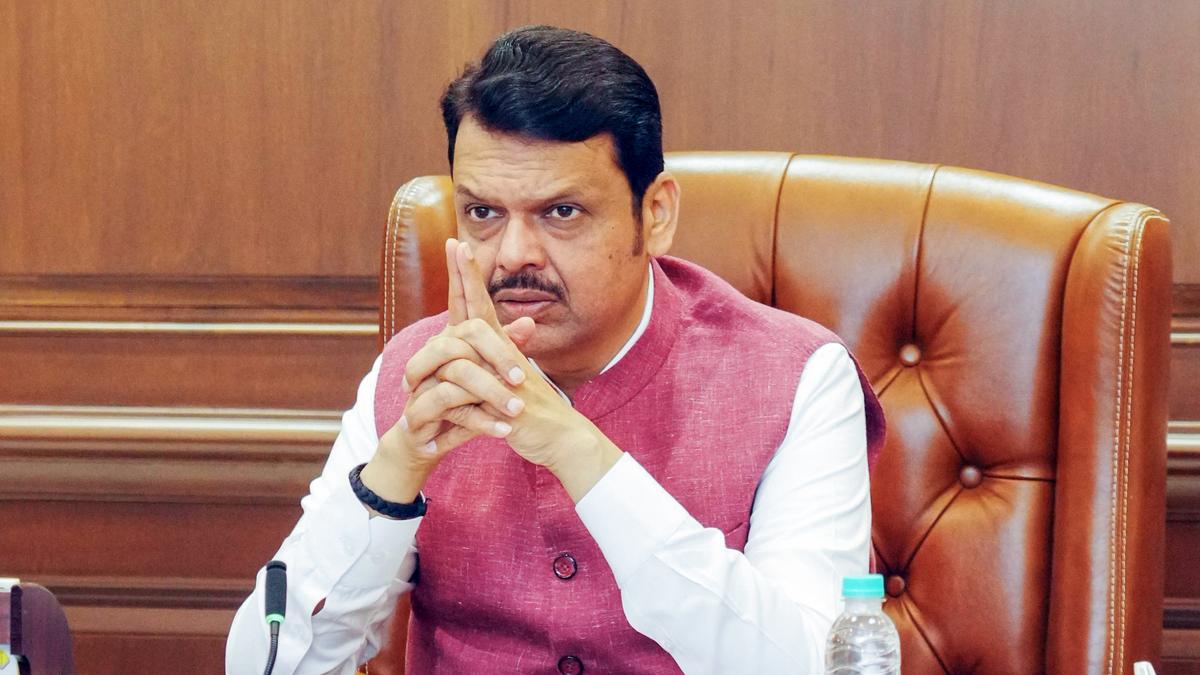
Maharashtra Chief Minister Devendra Fadnavis on Wednesday (March 26, 2025) announced that the state government will not implement the proposed 6% tax on electric vehicles (EVs) priced above ₹30 lakh. The decision was made after concerns were raised about its impact on EV adoption and revenue generation.
The announcement came during a discussion on EVs and air pollution in the Legislative Council, in response to a query by Shiv Sena (UBT) leader Anil Parab. Mr. Parab argued that the proposed tax would contradict the Centre’s efforts to promote clean mobility. “Levying a 6% tax on high-end EVs would be counterproductive,” he said.
Mr. Fadnavis acknowledged the concern and said the government had reconsidered its stance. “The tax would not generate significant revenue and could send the wrong signal about our commitment to electric mobility. Therefore, we will not proceed with it,” he stated.
The tax proposal was initially introduced in the state’s budget for 2025-26.
Earlier in the session, the Chief Minister highlighted Maharashtra’s growing status as a key hub for EV manufacturing, with major plants coming up in Pune and Chhatrapati Sambhajinagar. He stated that the shift from petrol and diesel vehicles to EVs would significantly reduce air pollution, as conventional vehicles are the biggest contributors.
“Maharashtra is becoming the national capital of electric vehicles,” he said, adding that both private and public transport sectors were increasingly adopting EVs. Over 2,500 electric buses are being introduced in phases, and more than 50% of newly registered vehicles in the state are now electric, he noted.


Palantir, which won a contract to supply AI systems to Britain’s Financial Conduct Authority, will not have access to regulatory intelligence, an FCA official said

Arm Holdings announced a new artificial intelligence data centre chip on Tuesday which it said will add billions of dollars of revenue

Amazon said on Monday its Amazon Web Services region in Bahrain has been “disrupted” amid the current conflict in the Middle East

Petroleum Ministry directs reforms to enhance natural gas infrastructure, streamline approvals, and ease transition from LPG to PNG.

The Sora decision means the end of a blockbuster $1 billion deal between Disney and the ChatGPT maker that was announced a little more than three months ago.

Regulator mandates city gas distributors to provide piped gas to educational institutions within five days, supporting India's transition from LPG to PNG.

NHAI's Raajmarga InvIT listed on BSE, enhancing investor participation in highway infrastructure with strong demand and oversubscription.

HDFC Life Insurance faces ₹172 crore Income Tax order for alleged violations, plans to appeal the decision.

Air-conditioner makers in India are looking forward to FY27 with hope as the war in West Asia threatens to impact plastic component availability and consumer sentiment, adding to the challenges around raw material price and new energy label, a senior executive of a leading company has said.

Rupee falls 23 paise to an all-time low of 93.76 against the U.S. dollar amid foreign fund outflows and global uncertainties.

Stock markets surged nearly 2% as Trump paused strikes on Iran, boosting investor confidence amid easing geopolitical tensions.

Coal Minister urges State leaders to maintain stable coal prices amid rising global costs, assuring ample domestic supply.

Mahanagar Gas ensures reliable PNG and CNG supply in Maharashtra and Karnataka, offering customer benefits to encourage adoption.