Lower beedi taxes are short-term gain but long-term pain
The Hindu
Lower beedi taxes may offer short-term savings but pose severe long-term health risks, especially for vulnerable populations.
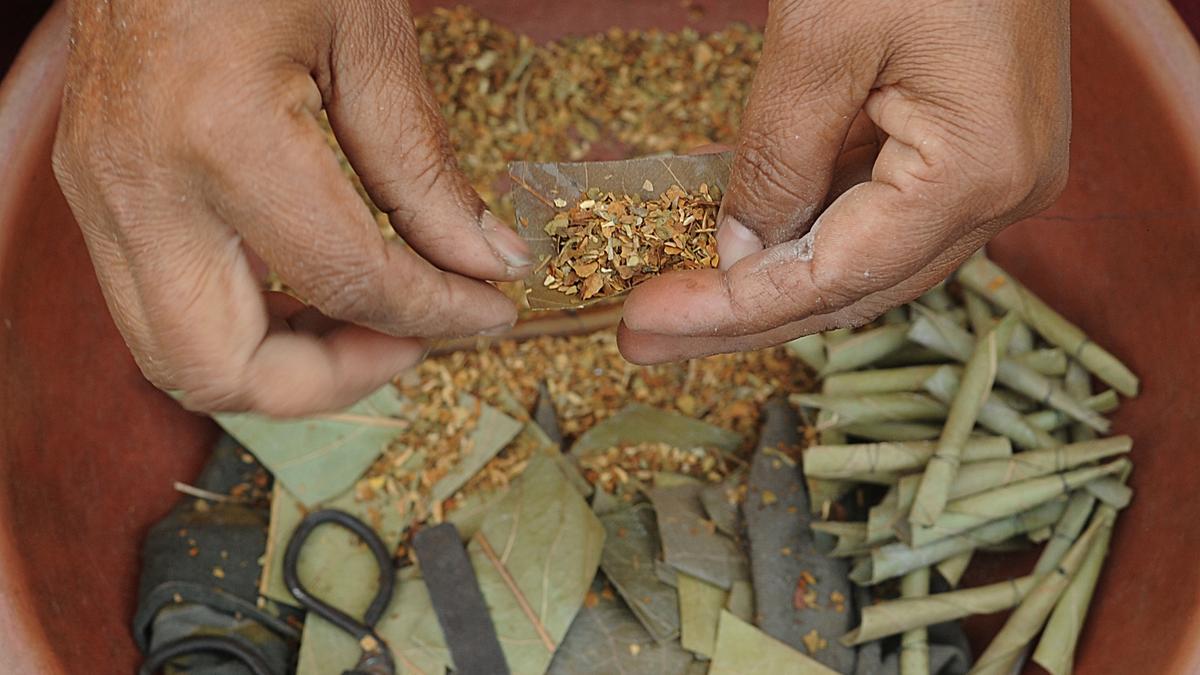
If increasing cigarette taxes is a public health measure to discourage smoking, then lowering beedi taxes to ‘protect’ rural workers ignores the long-term cost to their lives. While most tobacco products are taxed at the highest Goods and Services Tax (GST) slab of 40%, beedis are taxed at just 18%, making them significantly cheaper than cigarettes and other forms of tobacco. The latest tax rates became effective this month.
Several government reports affirm that beedis are no less lethal than cigarettes. In fact, studies quoted in reports suggest that cancer incidence is often higher among beedi smokers. Given that cancer treatment costs three times more than other ailments — even in public hospitals — capping beedi taxes is a short-sighted subsidy.
A critical distinction between beedi and cigarette consumption lies in demographics. Data suggest that there is a substantial overlap between the labour force that rolls beedis and the primary consumer base. While cigarette smokers lack a defining demographic profile, beedi consumption is confined to a much more specific socio-economic segment.
Data from the National Family Health Survey show that beedi smoking is most pronounced among older rural men from the poorest 20% of the population. So, keeping beedi taxes low may enable workers to save a few coins in their youth, only for those savings to be eroded by the exorbitant cost of healthcare in later years.
Tobacco use in India is overwhelmingly concentrated among men. As of 2019-21, about 13.3% of men smoked cigarettes, while 7.8% smoked beedis. Among women, smoking rates were around 0.1% or lower. Beedi smoking was almost twice as prevalent in rural areas (8.3%) compared to urban areas (4.5%) among men.
While beedi smokers represent a relatively smaller share of the population than cigarette smokers, their frequency of consumption is significantly higher. Data reveal a stark divide: over 80% of beedi smokers consumed more than five sticks daily, whereas over 70% of cigarette smokers consumed fewer than five. So, an important distinction is that beedi policy should not just look at the number of people smoking; it needs to look at how much they are actually smoking.


Discover how to turn creative passion into a sustainable business by mastering finance, IP, and strategic growth.

Arjun Krish and Ria Dinesh win Best Telefilm at Kerala State Television Awards for their impactful short film, F for Freedom.

redBus data reveals a significant 76% rise in solo women travelers from Karnataka since 2019, highlighting increasing independence in travel.

Air India and AI Express will operate 44 flights to West Asia amid Dubai airport restrictions on foreign carriers.

Maharashtra Assembly passes the Freedom of Religion Bill, imposing strict penalties for unlawful conversions, ensuring protection for vulnerable individuals.

Trump claims he can do “anything” with Cuba amid U.S.-Cuba talks, escalating tensions over political intervention and economic crises.

Amrutanjan owes ₹9.74 crore in rental arrears for Mylapore Kapaleeswarar Temple land, despite lacking a landlord-tenant relationship.

BJP intensifies campaign in Palakkad for the 2026 Assembly elections, targeting UDF amid scandal surrounding MLA Mamkootathil.

Jeevan Reddy leads a rally for maize farmers in Jagtial amid speculation of leaving Congress for BRS.

BJP and AINRC likely to maintain 2021 seat-sharing formula for Puducherry's 2026 Assembly elections, confirms party president.

BJP reveals 144 candidates for Bengal Assembly polls, featuring Suvendu Adhikari contesting against Mamata Banerjee in Bhabanipur.

Anna University partners with Ramco Systems to create an advanced ERP lab for enhanced industrial engineering education.

NDA announces candidates for 12 Kozhikode seats in Kerala Assembly polls 2026 as UDF and LDF ramp up campaigning.