Lawsuit accuses Apple of antitrust violations over Apple Pay
The Hindu
The plaintiff said Apple’s anticompetitive conduct forces the more than 4,000 banks and credit unions that use Apple Pay to pay at least $1 billion of excess fees annually for the privilege
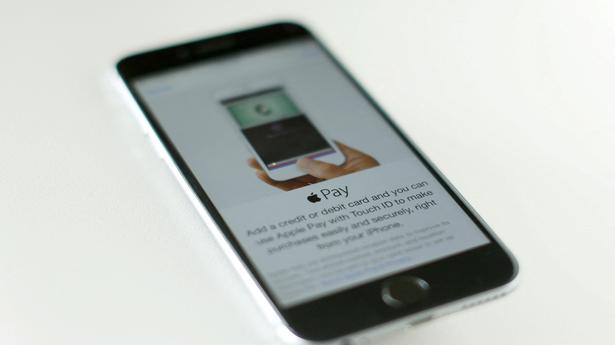
Apple Inc was sued on Monday in a proposed class action by payment card issuers accusing the iPhone maker of abusing its market power in mobile devices to thwart competition for its Apple Pay mobile wallet.
(Sign up to our Technology newsletter, Today’s Cache, for insights on emerging themes at the intersection of technology, business and policy. Click here to subscribe for free.)
According to a complaint filed in San Francisco federal court, Apple "coerces" consumers who use its smartphones, smartwatches and tablets into using its own wallet for contactless payments, unlike makers of Android-based devices that let consumers choose wallets such as Google Pay and Samsung Pay.
The plaintiff, Iowa's Affinity Credit Union, said Apple's anticompetitive conduct forces the more than 4,000 banks and credit unions that use Apple Pay to pay at least $1 billion of excess fees annually for the privilege.
It also said Apple's conduct minimises the incentive for the Cupertino, California-based company to make Apple Pay work better and make it more resistant to security breaches.
"Apple's conduct harms not only issuers, but also consumers and competition as a whole," the complaint said.
The lawsuit seeks unspecified triple damages, and a halt to Apple's alleged anticompetitive conduct.


Iran war impacts pesticide prices, warning of a 20-25% rise and increased risk of counterfeit products during the kharif season.

India's forex reserves fell by $7 billion to $709.76 billion, according to RBI data for the week ending March 13.

Natco Pharma will launch its Semaglutide injection (multi dose vials) in the domestic market on Saturday.

Flipkart announces a 105% bonus payout for 2025, rewarding employees for strong growth and performance metrics.

Core sector growth in India plummeted to 2.3% in February, amid declining domestic production and impending West Asia crisis impacts.

Stock markets rebound with Sensex rising 325 points, driven by IT and PSU bank stocks amid fuel price concerns.

The Indian rupee plummets 82 paise to a record low of 93.71 against the dollar due to rising crude prices and geopolitical tensions.

Power Minister highlights energy security and renewable transition during Bharat Electricity Summit 2026 amid global tensions.

The rupee hits a record low of 93.08 against the dollar, pressured by rising oil prices and FII outflows.

OpenAI said on Thursday it will buy Python toolmaker Astral, as the ChatGPT maker seeks to strengthen its portfolio against rival Anthropic to gain more share in the artificial intelligence coding tools market.

Crude oil prices drop over 2% as Netanyahu reassures investors amid ongoing Iran conflict and rising energy market concerns.

PPAC designated as nodal agency to enhance data collection on domestic fuel and energy stocks for improved mandate enforcement.

Indian markets plunged over 3% amid soaring crude prices, rupee depreciation, and escalating West Asia geopolitical tensions in March 2026.