Lashkar-e-Taiba terror plot on Delhi: Why Asim Munir's double game is a dangerous threat
Zee News
Indian intelligence agencies have issued a high alert over a Lashkar-e-Taiba plot to bomb Delhi's Red Fort and Chandni Chowk, a near-carbon copy of the November 2025 blast, with fidayeen attackers reportedly trained and ready.
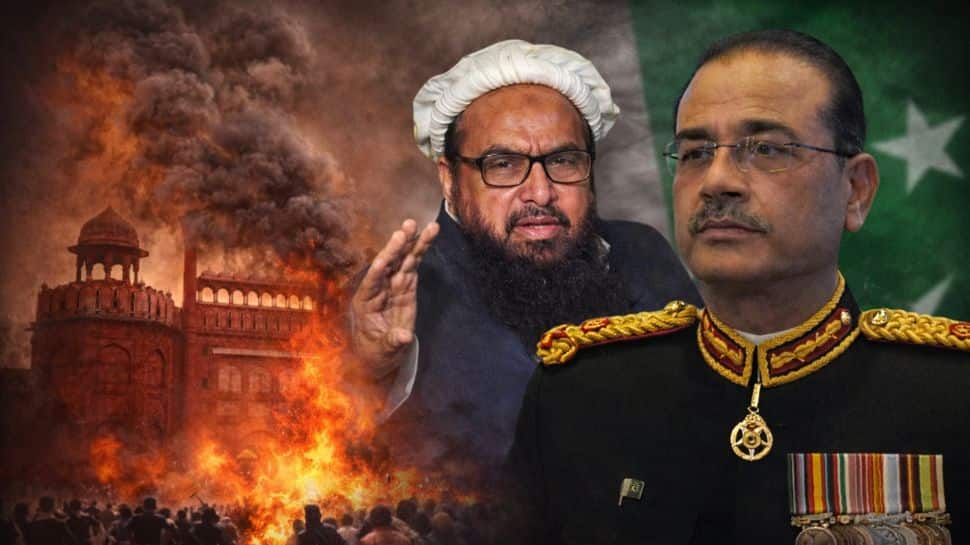
A chilling new terror threat is hanging over India's capital. Intelligence agencies have sounded a high alert warning that Lashkar-e-Taiba, the Pakistan-based terror group backed by army chief General Asim Munir, is actively plotting a major attack in Delhi, targeting the iconic Red Fort and the densely crowded Chandni Chowk market, home to one of Delhi's most revered temples.
According to intelligence inputs, Lashkar is planning an IED blast in front of the Red Fort, while simultaneously eyeing a temple in Chandni Chowk as a secondary target. The alert further warns that Lashkar fidayeen, suicide operatives, have already been trained and are being readied for the attack. Security agencies have responded swiftly, deploying heavy reinforcements across both the Chandni Chowk and Red Fort areas.
The intelligence alert carries an ominous sense of déjà vu. In November 2025, a bomb exploded near the Red Fort, an IED attack that killed 13 people, with the blast point just 200 metres from the Gauri Shankar Mandir in Chandni Chowk. The current threat mirrors that attack in almost every detail: same location, same method (IED), same target profile (temple), and the same modus operandi of deploying fidayeen attackers.
The stakes this time, however, are significantly higher. Chandni Chowk sees between 5 to 7 lakh visitors every single day. Around 20,000 vehicles pass through it daily. At peak evening hours, more than 30,000 people are present simultaneously. The plot has also emerged days before Holi, when crowds in areas like Chandni Chowk swell further, a timing that investigators believe is deliberate.
Lashkar-e-Taiba is reportedly using the recent Islamabad mosque blast as a justification for the planned Delhi attack, with Hafiz Saeed and Asim Munir blaming India without a shred of evidence. The reality, however, is that the Islamabad attack was claimed by Islamic State Khorasan, a product of Pakistan's own internal sectarian violence, specifically targeting the Shia community.
