Kuki MLAs, civil society groups decide against dialogue with Manipur’s Biren Singh Government
The Hindu
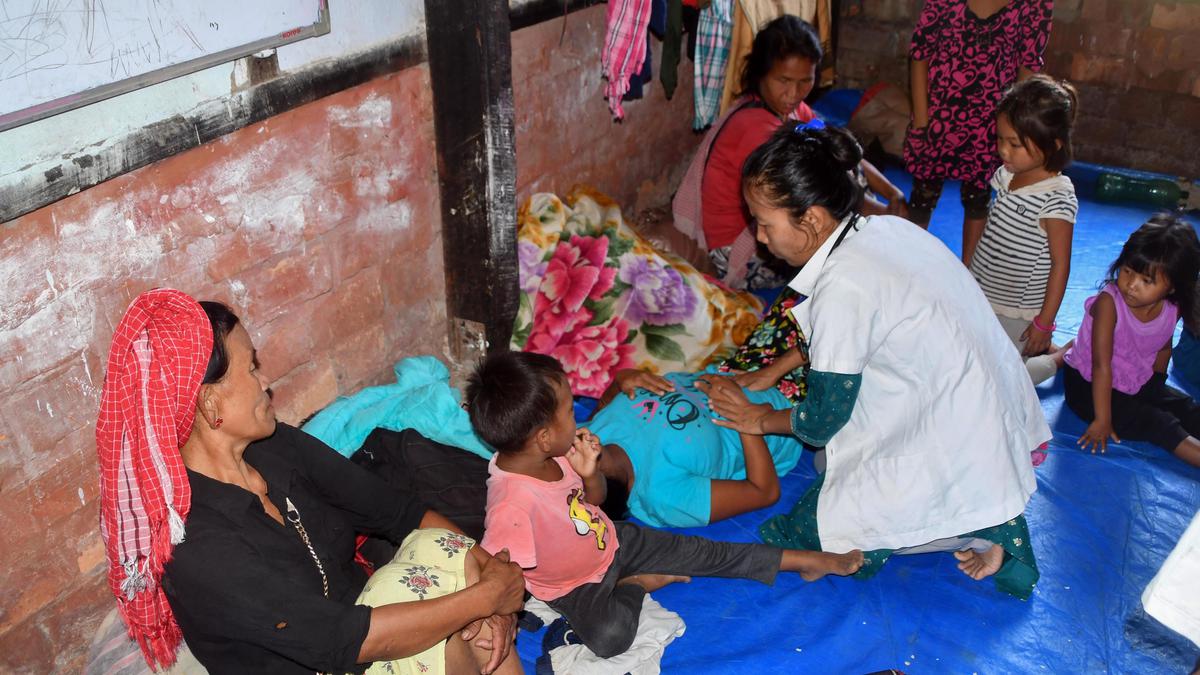
At least eight tribal MLAs from Manipur and various civil society organisations decided not to engage in any dialogue with the N. Biren Singh’s Government.
At least eight tribal MLAs from Manipur and various civil society organisations decided not to engage in any dialogue with the N. Biren Singh’s Government running the northeastern State which was recently rocked by ethnic violence, according to a statement issued by them.
Several civil society entities belonging to Chin-Kuki-Mizo-Zomi-Hmar ethnic groups in Manipur and the tribal legislators from there, including BJP MLAs, held a meeting in Mizoram’s capital Aizawl on May 17 to discuss the tension in the neighbouring State.
"The meeting resolved [the community would] stand unitedly to face the present crisis and not to engage in any dialogue or talk with the present Manipur government," the statement said.
During the meeting, it was decided to hold consultations on a wider scale so as to arrive at a common political agenda with other groups, it said.
A separate administration in the form of a Union Territory for the Kuki-dominated districts or other political safeguard was widely deliberated during the meeting, a leader of a tribal group, who participated in the discussion, told PTI.
Ten Kuki MLAs, including seven from the BJP, had on May 12 urged the Centre to create a separate administration for the Chin-Kuki-Mizo-Zomi-Hmar community in the wake of the violent clashes between the majority Meiteis and the tribals in Manipur.
Also Read: Manipur violence | Show restraint, Supreme Court tells Manipur constitutional authorities


The government plans to amend the FCRA, introducing new regulations for NGO asset management and accountability for key functionaries.

The draft policy for “Responsible Digital Use Among Students”, released on Monday by the Department of Health and Family Welfare, has recommended that parents set structured routines with clear screen-time rules and prioritise privacy, safety, and open conversation with children on digital well-being.

Police Observer Sushant Kumar Saxena conducts surprise inspection at Shencottai police station, reviewing warrants and security arrangements ahead of elections.

Andhra Pradesh government to launch key projects in April, focusing on industrial growth and infrastructure development, says Nara Lokesh.

Lok Sabha refers the Corporate Laws (Amendment) Bill to a JPC amid opposition concerns over CSR provisions dilution.

SHG members in Kanniyakumari use snakes and ladders to raise election awareness and boost voter turnout.

Government accelerates consultations for early implementation of the Women’s Reservation Act to ensure women’s representation in 2029 elections.

CM A. Revanth Reddy distributes ₹1 crore insurance cheques to families of deceased Electricity department employees, enhancing financial security for workers.

The Bengaluru Traffic Police (BTP) registered 634 cases of drunk driving during a week-long special enforcement drive conducted across the city between March 16 and March 22.

GHMC intensifies action against property tax defaulters, seizing properties and offering a One Time Settlement scheme for payments.

CCB arrests three drug peddlers in Mangaluru, seizing ₹2.5 lakh worth of MDMA and other valuables.

TVK's 28 candidates in Puducherry include former BJP MLAs, a sitting Independent, and a retired police IG.

BRS submits notice on private member bill to Speaker