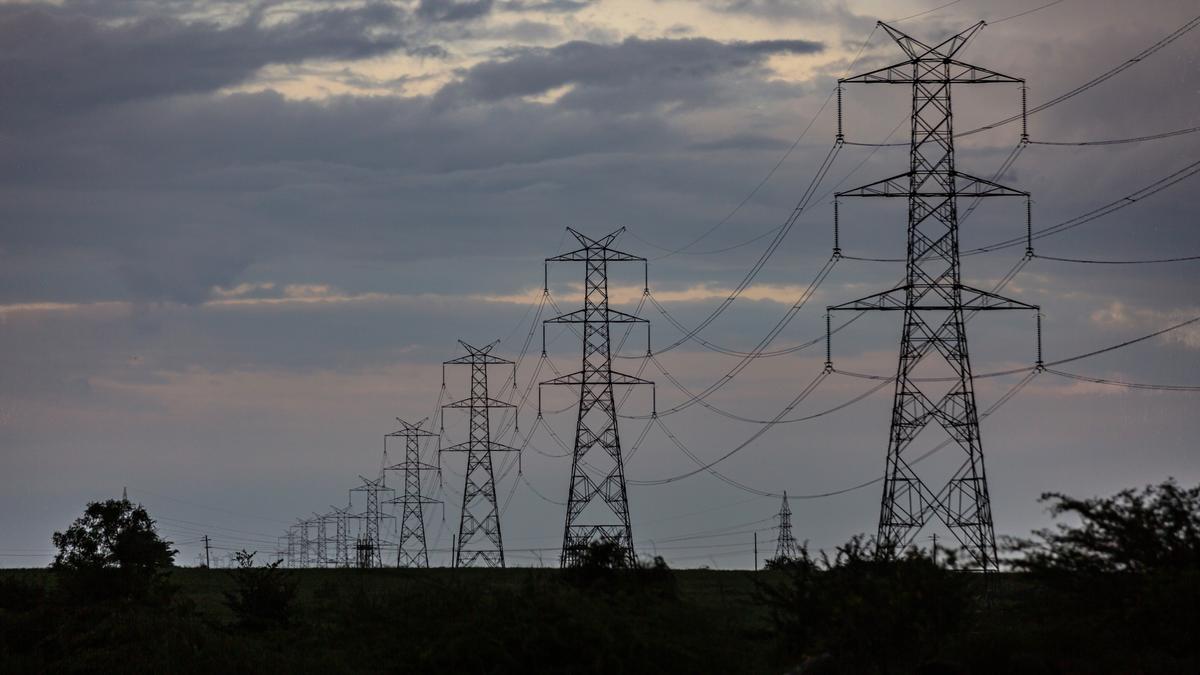
KERC turns 25; consumers demand more stringent regulations
The Hindu
KERC, Karnataka's electricity regulatory body, celebrates 25 years of service, facing challenges in maintaining consumer relevance and transparency.
It has been 25 years since the Karnataka Electricity Regulatory Commission (KERC), an independent regulatory body focused primarily on protecting electricity consumers, was established under the Karnataka Electricity Reform Act of 1999. Karnataka, a pioneer in the electricity sector, was the second State in India after Odisha to set up an electricity regulatory commission.
In its report,”25 Years of Dedicated Service to Karnataka State and Nation,” the Commission highlighted its service to over 2.9 crore consumers. KERC has played a pivotal role in determining tariffs, resolving disputes between electricity supply companies (escoms) and consumers, and issuing licences to distributors, among other responsibilities.
One of KERC’s major achievements is reducing Transmission and Distribution (T&D) losses from 35.7% in FY 2000 to 14.05% in FY 2024. The timely issuance of tariff orders, promotion of renewable energy through preferential tariffs, and rationalization of tariff structures are also among its best practices.
In recent years, KERC has eased administrative processes for enhancing sanctioned loads to install rooftop solar plants and passed draft regulations for rooftop aero turbines. It also introduced a Standard Operating Procedure (SOP) for Electric Vehicle (EV) charging stations across the state. Earlier this year, KERC earned praise from industries for advocating the removal of cross-subsidy charges on industrial and commercial consumers used to fund free power schemes.
Despite its achievements, activists and consumer advocates have raised concerns about the relevance and effectiveness of KERC in recent years. According to a former advisory member of KERC, “Until 2010, the commission maintained strict accountability for escoms. In recent years, however, it has become escom-centric and less objective, neglecting its statutory responsibilities.”
The 1999 Act mandates the presence of a senior officer to represent consumer interests within the commission. While consumer rights activist Y.G. Muralidharan served in this role for 10 years, the position has remained vacant since his departure. Activists note that this has led to a decline in consumer awareness about KERC’s functions. Public hearings, once well-attended, now see minimal participation. “This could be due to the fact that tariff books consist of hundreds of pages and cost over ₹500 a book, which keeps consumers away from it,” they said.
Activists call for greater transparency, stricter oversight of escoms, and measures to enhance consumer engagement to ensure that KERC remains relevant and effective in the evolving energy landscape.


PM Modi emphasizes India's pursuit of diverse gas and crude oil sources amid the global energy crisis due to West Asia conflict.

Kerala BJP chief Rajeev Chandrasekhar challenges Congress to prove undisclosed assets allegations in court, dismissing them as distractions.

As per information by Minister of State for Civil Aviation Murlidhar Mohol to a question in the Rajya Sabha, ₹146.89 crore has been utilised under the UDAN scheme till October 31, 2025.

Supreme Court rules women officers in Armed Forces deserve equal opportunities, upholding their right to permanent commission and pension benefits.

Telangana government assures no fuel shortage; Hyderabad police commissioner urges citizens to avoid panic buying

Telangana government employees will receive 10-20% discounts on electric vehicles to promote eco-friendly transportation, announces Transport Minister.

Discover the engaging teaser of 'Pallichattambi,' a period drama starring Tovino Thomas, releasing on April 10.

SP P. Jagadeesh reviews night patrols in Anantapur to enhance security and public safety during Operation Night Safety.

DMK announces candidates for 13 seats in Puducherry elections, reserving one seat for ally VCK amid strategic alliances.

Delhi HC safeguards Sonakshi Sinha's personality rights, prohibiting unauthorised use of her image and attributes across platforms.

Mohanlal's 'Drishyam 3', directed by Jeethu Joseph, has been postponed to May 21, coinciding with his birthday. The film marks the franchise's final installment.

Family of custodial death victims demands harsh punishment for nine convicted policemen to prevent future abuses of power.

United Democratic Front's candidate list for the 2026 Kerala Assembly elections, aiming for a significant political comeback.