Kerala, India’s education frontrunner, now faces enrolment dip and politicisation Premium
The Hindu
Kerala became the first State in India to go completely digital in public education.
In 1817, Gouri Parvati Bayi, queen regent of Travancore, issued a proclamation that would echo through two centuries: the State would bear the entire cost of educating its people “that there might be no backwardness in the spread of enlightenment among them”. This recognition of public instruction as a state duty laid the foundation for what would become the celebrated Kerala Model of development.
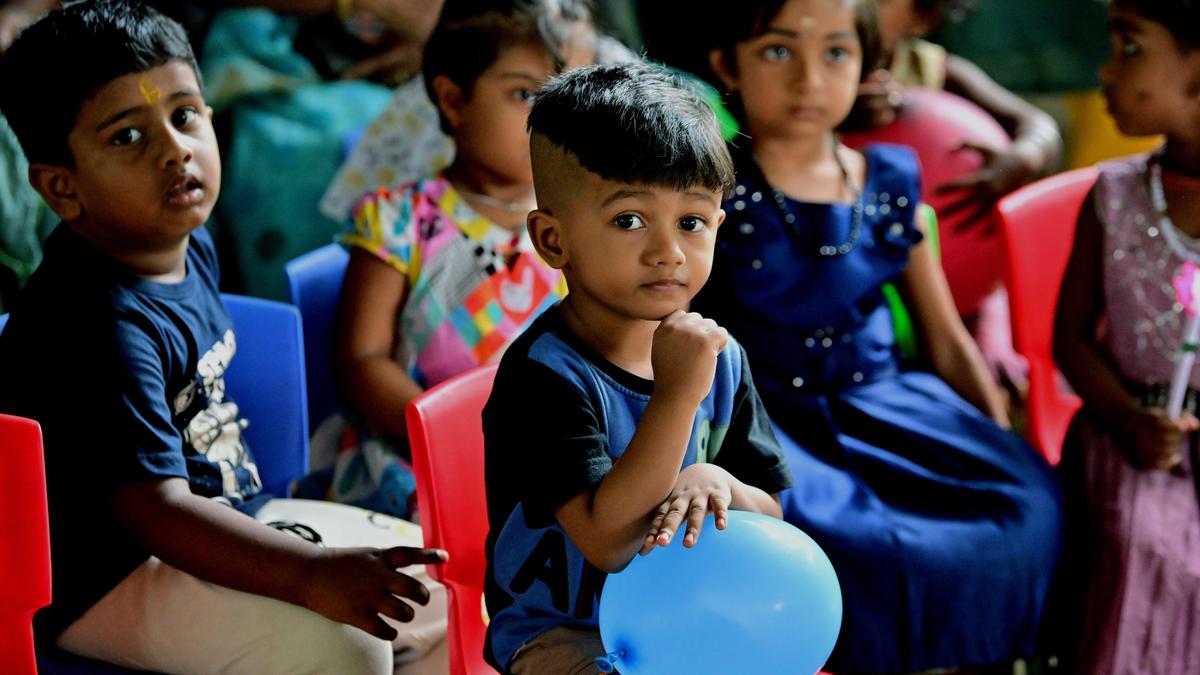
Two centuries later, Kerala’s educational achievements, including near-total literacy, universal primary education, strong gender parity, and one of India’s largest higher education networks, continue to draw global attention. Yet the system has reached a turning point. School enrolments are declining, many young people are going abroad for studies, universities face administrative challenges, and there is increasing pressure to prepare students for a knowledge-based economy. Urgent reforms are the need of the hour.
Kerala’s educational progress stems from a long legacy stretching back to the 1800s, shaped by a unique combination of State interventions, Christian missionaries, and social reform movements. Figures like Sree Narayana Guru and Ayyankali championed education for the marginalised, raising resources and consciousness in equal measure. These movements, coupled with the progressive policies of princely States, created a fertile ground for educational expansion.
The State’s higher education history cannot be separated from its tripartite colonial past. Travancore and Cochin were princely States, while Malabar formed part of the Madras Presidency under direct British rule. Each region developed education differently, influenced by missionary initiatives, royal patronage and reform movements.
Travancore, often regarded as the cradle of Kerala’s intellectual awakening, led the way. Swathi Thirunal Rama Varma and his successors expanded schools and introduced English learning. Early initiatives came from Christian missionaries, particularly the London Mission Society and the Basel Evangelical Mission, which established seminaries and English schools from 1816 onwards.
By the late 19th and early 20th centuries, Travancore had established a network of institutions including Sanskrit, Ayurveda and women’s colleges and a law school. The crowning achievement came in 1937 with the foundation of the University of Travancore, the first university in the region, later renamed the University of Kerala. It was formally established through a royal proclamation by Sree Chithira Thirunal Balarama Varma, with Sir C.P. Ramaswamy Iyer as its first Vice-Chancellor.


The Clamorous reed warbler is as loud as they come, but in the urban environment, it is outshouted. Weed clearing in urban habitats brings down its home, the bulrushes. Bulrushes in wetlands are not encroachments, but ‘legal homes’ to birds in the crake and rail family and warblers, so government line agencies ought to tread on them thoughtfully

Uttar Pradesh ATS arrests a dental student for alleged connections to an ISIS online module, probing extremist recruitment activities.

Rajinikanth refutes TVK leader's claims about DMK threats preventing his political entry, expressing gratitude to supportive political figures.

Tamil Nadu CM Stalin celebrates the Union government's approval for archaeological excavations, crediting DMK's persistent advocacy for the win.

Dilip Ghosh will contest Kharagpur Sadar in the 2026 West Bengal polls, aiming for increased BJP votes.

A hotel fire in Pahalgam leads to one death from a reversing fire tender; multiple LPG blasts hinder firefighting efforts.

The Clamorous reed warbler is as loud as they come, but in the urban environment, it is outshouted. Weed clearing in urban habitats brings down its home, the bulrushes. Bulrushes in wetlands are not encroachments, but ‘legal homes’ to birds in the crake and rail family and warblers, so government line agencies ought to tread on them thoughtfully

The people of at least one State will heave a sigh of relief now that the schedule for five Assembly elections — all in April — has been announced.

Four charred bodies discovered in a car near Tirunelveli; police investigate potential murder or suicide.

Five insurgents linked to PREPAK and KYKL arrested near India-Myanmar border; explosives and arms recovered in separate operation.

A.P. DGP pays tribute to Potti Sriramulu on his 125th birth anniversary, honouring his sacrifice for a separate Andhra Pradesh.

Discover the cultural and health significance of neem and jaggery during Ugadi, explained by author Ratna Rajaiah.

A minor fire at Thiruvananthapuram government hospital led to patient evacuations; no casualties reported, situation now under control.