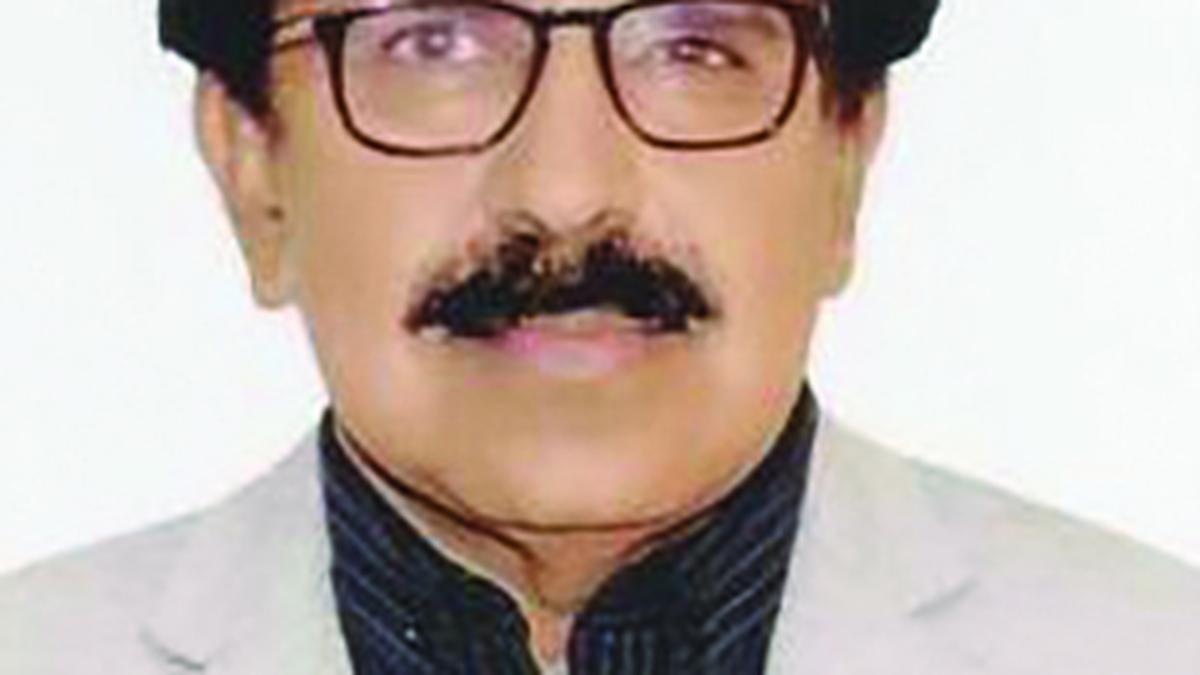
Karnataka’s decentralisation system is fairly ok, but not ideal, observes senior bureaucrat
The Hindu
Though Karnataka has done well regarding decentralisation of power, there is a long way to go to reach the ideal stage, observed Additional Chief Secretary to Chief Minister L.K. Atheeq.
Though Karnataka has done well regarding decentralisation of power, there is a long way to go to reach the ideal stage, observed Additional Chief Secretary to Chief Minister L.K. Atheeq.
Delivering the Ramakrishna Hegde Memorial Lecture-2024 at the Institute for Social and Economic Change on “Decentralisation in Karnataka: The past, present and future of an experiment,” here on Thursday, Mr. Atheeq, who headed the RDPR Department for a long time, said: “Karnataka’s decentralisation system is fairly ok, but not ideal.”
He expressed concern that there was a consistent tendency to “re-centralise” powers by legislators and bureaucrats because of a lack of strong institutional design and structural mechanism that would prevent reducing the autonomy of panchayat raj institutions.
Mr. Atheeq argued that it was essential to grant more financial autonomy to panchayats to uphold the spirit of decentralisation. Presently, governments were trying to patronise them by dictating what should be done as the panchayats were depending on government for funds, he observed.
Though the Central Finance Commission allocates grants to panchayats, it had issued conditions such as spending 60% of grants on water and sanitation, he pointed out. Similarly, the Mahatma Gandhi National Rural Employment Guarantee scheme too had various conditions imposed by the Centre, he said.
He expressed concern that there was no public resistance though elections to taluk and zilla panchayats had not been held in Karnataka for the last four years. In fact, the State was losing on Finance Commission grants as some of these allocations were tied up with panchayat raj institutions, he pointed out.
Hailing Karnataka’s initial legislation of 1985 that had two-tier panchayat raj institutions as against the present three-tier ones, and larger village panchayats (then mandal panchayats) then compared to smaller ones now, Mr. Atheeq described the journey to the current situation as “two steps forward and one step backward.”


Papanasam dam's water level reaches 66.15 feet, with inflow at 76 cusecs and discharge at 300 cusecs.

Development without impact: Coastal residents of Kanniyakumari and Nagercoil constituencies voice discontent

Rampant encroachments in Tiruchi threaten pedestrian safety and traffic flow, undermining smart pavement initiatives and exacerbating congestion.

Discover Kerala's electoral history in 'Vottarivu,' a 201-page booklet released ahead of the 2026 Assembly elections.

Experts at a floriculture conference in Shivamogga stress the need to reduce greenhouse gas emissions and enhance soil carbon levels.

First randomisation of EVMs and VVPATs for Tiruchi and Perambalur districts completed with political party representatives present.

Puducherry elections see ongoing DMK-Congress rift over seat-sharing, leading to candidate conflicts on nomination day.

Einstein College and Sri Sarada College in Tirunelveli celebrated significant events, honoring academic excellence and cultural heritage.

Priyanka Gandhi criticises PM Modi's West Asia remarks, urging for a comprehensive Parliament discussion on the matter.

Learn who can vote by postal ballot in the upcoming Tamil Nadu Assembly election, including seniors and persons with disabilities.

Decomposed body of a missing 25-year-old man discovered in Dindigul stone quarry, prompting calls for investigation and quarry closure.

SVEEP activities launched in The Nilgiris aim to boost voter turnout at 13 polling booths with low participation rates.

Learn who can vote by postal ballot in the upcoming Tamil Nadu Assembly election, including seniors and persons with disabilities.