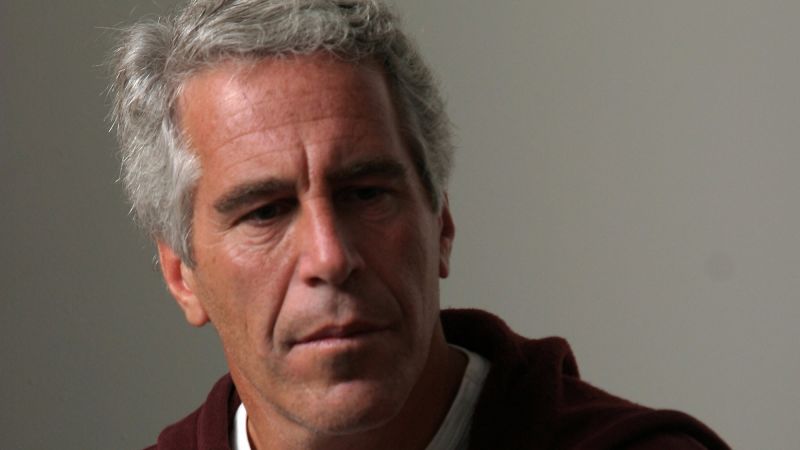
Jeffrey Epstein documents unsealed, naming Prince Andrew and former President Clinton
CNN
Hundreds of pages of unsealed documents from a lawsuit connected to accused sex-trafficker Jeffrey Epstein were publicly released on Wednesday. The documents are expected to include nearly 200 names, including some of Epstein’s accusers, prominent businesspeople, politicians and potentially more.
Hundreds of pages of unsealed documents from a lawsuit connected to accused sex-trafficker Jeffrey Epstein were publicly released on Wednesday. The documents are expected to include nearly 200 names, including some of Epstein’s accusers, prominent businesspeople, politicians and potentially more. While much of the information has been released through other means, such as media interviews, this is the first time these documents, filed with a court, have been released through the legal system. The documents contain excerpts of depositions taken of Maxwell and Giuffre. There is also a deposition from Johanna Sjoberg, who in the document described Prince Andrew touching her breast in a joking manner while taking photos. Sjoberg’s story has been public, but this is the first time her deposition has been unsealed. She worked sometimes for Epstein, and she has said that he pressured her to go beyond her comfort level at times in giving sexualized massages. Prince Andrew and Virginia Giuffre previously reached an out-of-court settlement in her sexual abuse lawsuit against him, according to a court document filed by her attorneys Tuesday. Andrew has denied the allegations against him. The deposition transcripts include references to several prominent names, as has been previously reported, including the Prince as well as Bill Clinton, the former US president.


Oil prices held steady Wednesday after Iraq clinched a deal to resume some crude exports via Turkey. It’s not a ton of oil, but it’s what amounts for good news these days as the Strait of Hormuz remains largely blocked.

The US-Israeli war with Iran, now stretching into its third week, is dashing hopes that the Federal Reserve will lower interest rates at all this year.

A federal judge says the Trump administration must let more than 1,000 sidelined Voice of America employees return to work by next week.

Former judges side with Anthropic and raise concerns about Pentagon’s use of supply chain risk label
Nearly 150 retired federal and state judges have filed an amicus brief on Tuesday supporting AI company Anthropic in its lawsuit against the Trump administration for designating it a “supply chain risk,” CNN has learned.

Attacks on commercial ships in the Middle East this month have all but closed the vital Strait of Hormuz to oil tankers. One of the few alternative routes for oil exports from the region goes through the Red Sea. But now even that lifeline is in danger.

When Mona Panjwani opened One40 Rooftop, a swanky restaurant in lower Manhattan last year, one of the biggest dilemmas besides the menu was choosing the reservation platform.

What could get more expensive because of the war in Iran?

Gas prices have skyrocketed due to the US-Israel war on Iran, putting even more financial strain on many Americans’ wallets.

United Food and Commercial Union Local 7, the union representing the 3,800 striking workers, said that JBS failed to meet its demands during contract negotiations over higher wages, life-saving safety equipment and improved healthcare.

Every day brings a new complaint — or three — from the Trump administration about the American news media’s coverage of the Iran war.

Traffic through the strait, normally the conduit for a fifth of global oil output, has been severely curtailed since the start of the Iran conflict. But Iran itself is shipping oil through the waterway in almost the same volumes as before the war, earning the cash needed to sustain its economy and war effort.

How Anthropic may benefit from its fight with Trump

The price of oil rose to its highest level since July 2022 Sunday evening as the Trump administration suggested the war with Iran could last several more weeks and President Donald Trump called on the international community for help reopening the Strait of Hormuz to oil tankers.