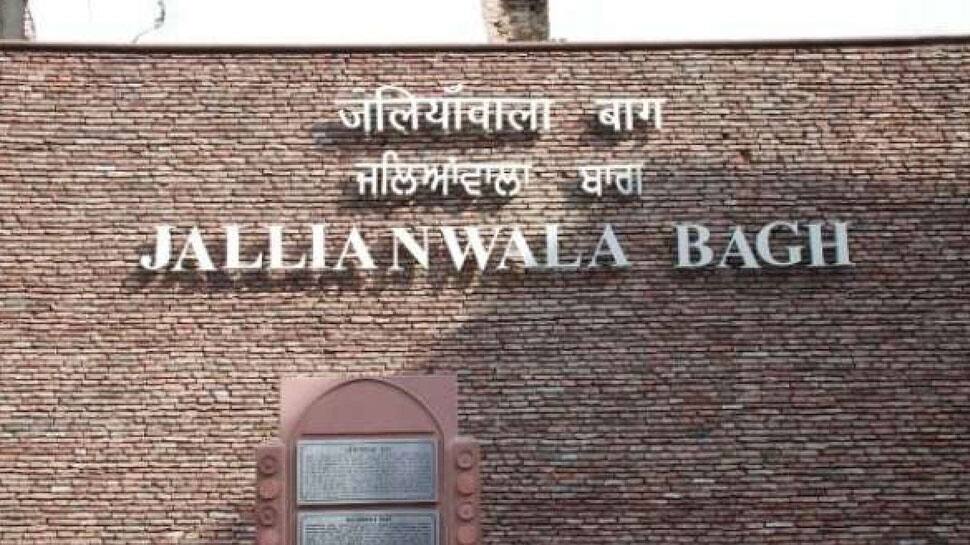
Jallianwala Bagh massacre: Britain owes India an apology?
Zee News
Decades after the 1919 Jallianwala Bagh massacre, India gained freedom from British rule in 1947. However, the lack of a formal apology remained an open wound throughout the decades between Independent India's relations with Great Britain.
Jallianwala Bagh massacre still remains the ''darkest day'' in the history of India even after more than 103 years of this horrific incident. Also known as the Amritsar massacre, the bloodshed took place on April 13, 1919, during the festival of Baisakhi.
British General Reginald Dyer ordered his troops to open fire on thousands of unarmed men, women, and children who had gathered in Amritsar on April 13, 1919, killing 379 people, according to colonial-era records. However, according to Indians who stood witness to the most unfortunate incident of their time, several hundred were killed.
The 1919 Jallianwala Bagh massacre eventually became a key moment in the history of India’s independence movement, helping to consolidate the support and the push needed to break free from British rule.
Winston Churchill, one of Britain's most famous prime ministers, called the 1919 massacre of Indian protesters “monstrous,” while Queen Elizabeth said it was “distressing.” Prime Minister David Cameron described it as “deeply shameful.”
General Dyer, the man behind the bloodshed, too defended his actions and wrote in a letter that he had attacked the crowd because they had gathered “in open rebellion against the British crown.” In response, PM Churchill expressed some sympathy for General Dyer, highlighting the “danger to Europeans throughout that province” during an address in Parliament.
