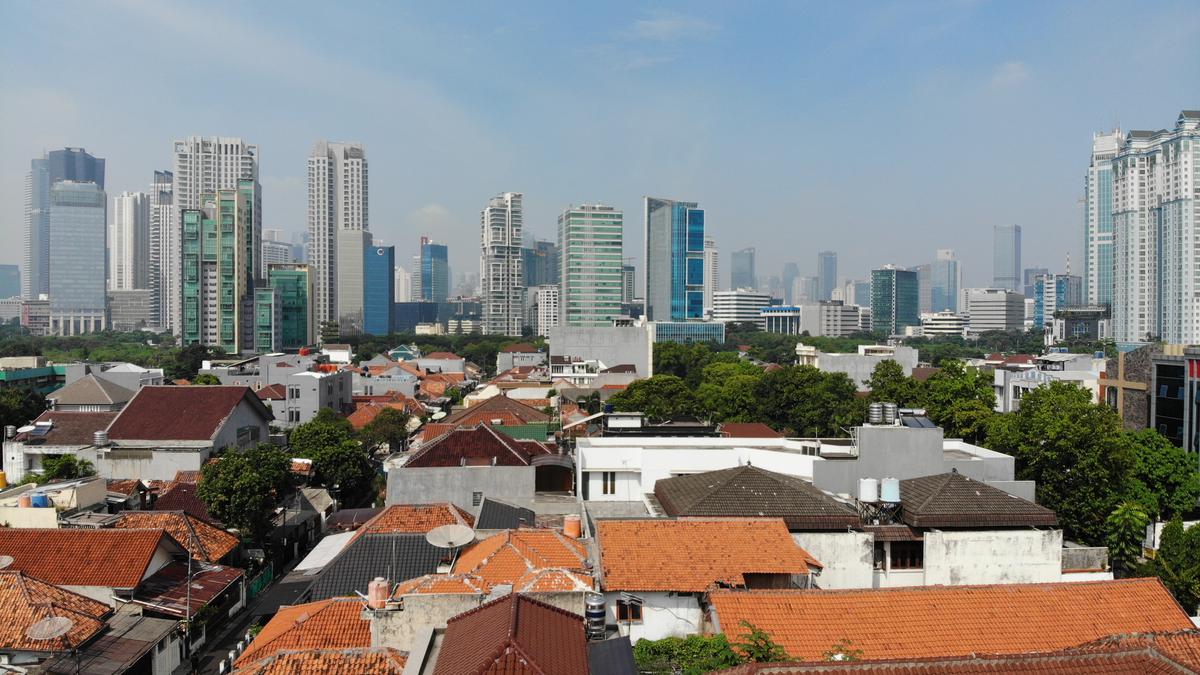
Jakarta, world’s fastest-sinking, fights to raise itself
The Hindu
Jakarta, the fastest-sinking city in the world, has finally taken action on its core land subsidence problem when groundwater free zones for highrise buildings will start to be established in August this year.
Jakarta — the fastest-sinking city in the world — has finally taken action on its core land subsidence problem when groundwater free zones for highrise buildings will start to be established in August this year.
If the government accelerates the provision of piped-water to all residents and enforces the ban on using groundwater, it is likely that will slow down the city’s sinking.
But stopping Jakarta’s subsidence will take 20-30 years and Jakartans should wait at least 10-20 years to see any real results.
Increasing the tariff for using the groundwater can control deep groundwater extraction, while encouraging building residents to use recycled water for flushing, gardening, ablutions, and other non-consumption activities.
Jakarta’s land subsidence began in the 18th century when the Dutch cleared the area’s forests for plantations.
This rush to clear the land degraded the soil, created erosion and resulting sediment issues in the Ciliwung River.
Over time, the accumulation of this sediment formed a delta that the city has been built on. This young soil is still undergoing natural compaction and compression.


Philippine President Marcos declares national energy emergency amid Middle East conflict, ensuring fuel and essential goods supply stability.

Mohammad Baqer Zolqadr appointed as Iran's new security chief, succeeding Ali Larijani after his assassination.

Israel plans to occupy southern Lebanon amid escalating violence, targeting Hezbollah and causing widespread destruction and civilian casualties.

Trump reveals Secretary Hegseth was pivotal in discussing military action against Iran amid escalating tensions in the Middle East.

Iran arrests 466 individuals for online activities threatening national security amid ongoing tensions with Israel and the U.S.

China protests to Japan over a break-in at its Tokyo embassy, demanding a thorough investigation and accountability.

After securing a historic mandate in Nepal’s polls, Balendra Shah and the RSP face the task of navigating the West Asia conflict and managing ties with India, China and the U.S.

A magnitude 7.6 earthquake struck near Tonga, prompting evacuations but no tsunami warnings or immediate damage reports.

Iran launches missile attacks on Israel, rejecting Trump's negotiation claims as 'fake news,' escalating regional tensions and market volatility.

A large explosion at Valero refinery in Port Arthur, Texas, prompts shelter-in-place order for nearby residents, no injuries reported.

Kim Jong Un vows to solidify North Korea's nuclear status and labels South Korea as its "most hostile" adversary.

U.S.-Israel war on Iran LIVE: Follow The Hindu for updates on the West Asia conflict on March 24, 2026

Trump claims “very good” talks with Iran, despite Tehran’s denial, as U.S. negotiators plan potential meetings in Pakistan.