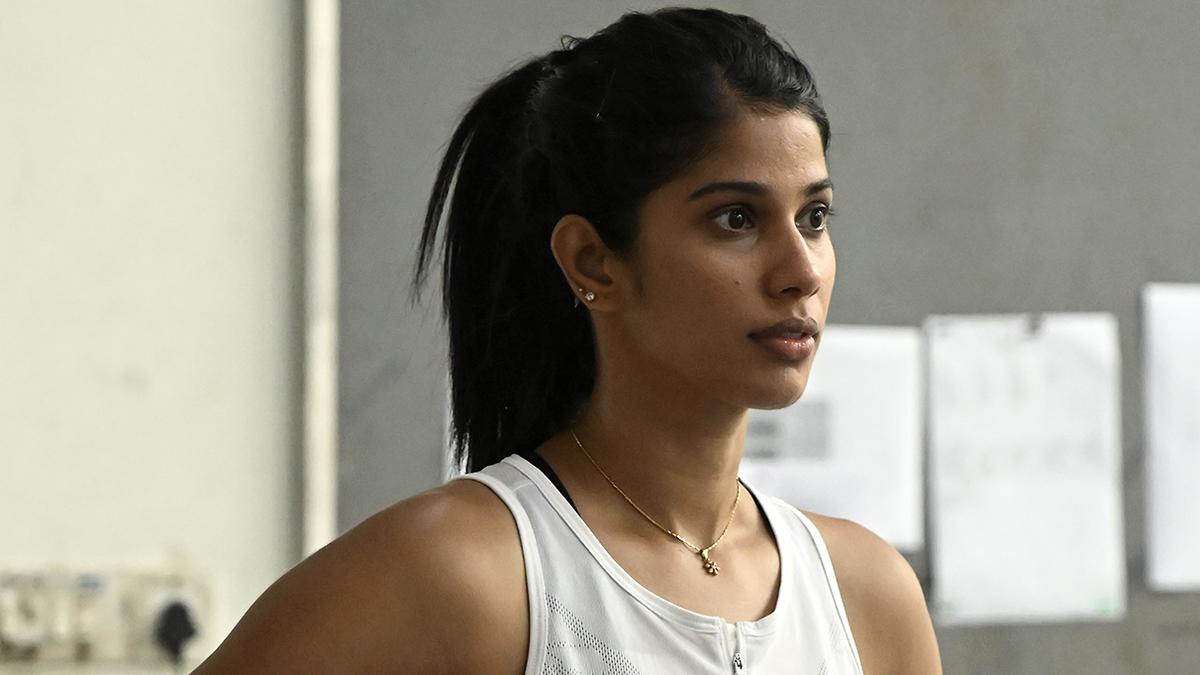
Interview | I would love to be a lot more involved with the kids, or support the Indian team in any way I can: Joshna Chinappa Premium
The Hindu
Joshna Chinappa discusses the growth of women's squash in India, her coaching interest, and the rise of young talent Anahat Singh.
Joshna Chinappa returned to action after a knee surgery and put all doubts about her fitness to rest by reaching the women’s doubles and mixed doubles finals at the National Championships in Chennai earlier this month. She finished as the runner-up (alongside Velavan Senthilkumar) in the former and clinched the title in the latter by partnering with teen sensation Anahat Singh.
In a chat with The Hindu, the 38-year-old spoke about the evolution of women’s squash in the country, her interest in coaching, prolonging her playing career, Anahat’s rise, and more. Excerpts:
I obviously think it’s improved a lot in terms of more female players on the PSA tour. Before, it was just, honestly, Dipika (Pallikal) and me for a really long time. Now, there’s Anahat (Singh), Akanksha (Salunkhe), Tanvi (Khanna) - just the newer lot is really good and they’re doing well.
I mean Anahat just beat someone who’s No. 28 in the world (Marina Stefanoni of USA, currently ranked No. 27) at the world championships, and she’s had some really good wins. So, just to have more people successfully doing well, not just a one-off, but like three or four of us actually playing the tour and doing well, is really positive.
I definitely think it can improve a lot more. We get a lot more girls and women onto the PSA tour. We also have the local talent from Chennai, who are also playing as much PSA as possible. So, I think there are a good seven or eight girls right now who are playing the tour. And I think that’s really good to see.
Absolutely, for sure. Squash getting included in the Olympics, that was obviously what we needed to get that boost and support from all the corporates, and more from the government as well. That has happened.
And the support now is so much more for these girls, which is great, because they get it now in their teens - like Anahat - and in their early 20s, which is when they really need that support to travel to play tournaments; like, support staff, coach, physio, and everything - it’s expensive, right? So, to see that level of support coming in from the federation, the government, and the corporates is the biggest change I’ve seen recently.


Mohamed Salah will leave Liverpool at season's end, concluding a remarkable nine-year tenure at Anfield.

Telangana CM to hold urgent meeting on March 25 to address petrol, LPG, and urea stock concerns amid rising demand.

Karnataka Minister announces efforts to resume separate Haj terminal at Mangaluru airport, pending Centre's approval.

Ahead of the Assembly election, DMK Youth Wing secretary and Deputy Chief Minister Udhayanidhi Stalin has tasked the party youth wing members with meeting young voters every day till the polling day to explain various achievements of the ‘Dravida model government’ to them.

Bird flu outbreak in Chhattisgarh's Bilaspur kills 4,400 chickens, prompting increased surveillance and culling measures.

Four queer activists discuss the repercussions of the Trans Amendment Bill 2026 on dignity and identity within the community.

Explosion in Ooty's Botanical Garden highlights Tamil Viduthalai Padai's protest against Hindi imposition and demand for Tamil Eelam.

Assembly polls 2026: Follow updates from The Hindu on the upcoming elections in five States on March 25, 2026

Royapuram faces urgent issues like livelihood security, affordable housing, and social welfare as residents prepare for the assembly election.

Long queues at Hyderabad fuel stations persist on March 25, 2026, as motorists face delays

ChatGPT maker OpenAI is offering private-equity firms a sweeter deal than rival Anthropic as both artificial intelligence companies court buyout firms to form joint ventures

Opposition parties criticize Delhi's budget as inflated and misleading, questioning transparency and funding for key initiatives.

Srirangam residents seek improved infrastructure and amenities to support rapid urbanization and growing tourism demands in the constituency.