Indigenous communities call on U.S. to confront Canada’s toxic mining runoff at border
Global News
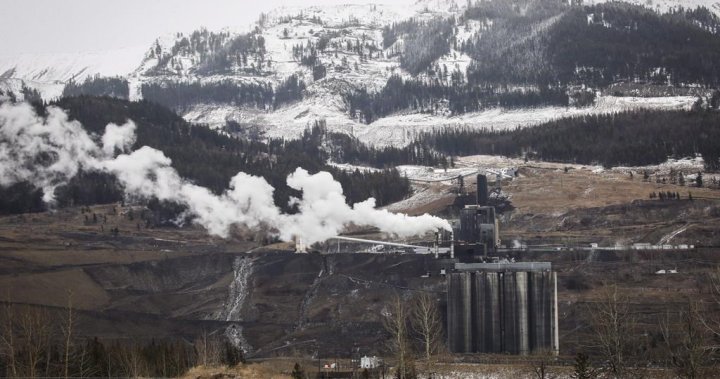
Indigenous communities in B.C., Washington state, Idaho and Montana have been contending with toxins leaching into their watershed from coal mining operations.
In a city of pinstripes and partisan power brokers, Mike Allison sticks out like a sore thumb. He’s in the wrong place — and he knows it.
“I shouldn’t be here,” the denim-clad Indigenous elder suddenly says, fighting tears beneath the brim of his trademark cowboy hat.
“I should be out on the land, working with my kids, teaching them values. I should be teaching them kids how to work with the environment, not fight for it.”
Instead, the Upper Similkameen Indian Band councillor is in a downtown D.C. boardroom, gearing up for a second day of meetings with State Department officials, bureaucrats, diplomats and members of Congress.
Fighting for the environment is exactly what Allison, whose British Columbia First Nation sits just 80 kilometres from the Canada-U.S. border, is doing in the U.S. capital as part of a tribal delegation from across the Pacific Northwest.
Their goal is an alliance with Congress and the Biden administration they hope will pressure Ottawa into a bipartisan effort to confront toxic mining runoff from north of the Canada-U.S. border they say is poisoning their waters.
Indigenous communities in B.C., as well as Washington state, Idaho and Montana, have been contending for more than a decade with selenium and other toxins leaching into their watershed from coal mining operations in the Elk Valley.
The principal player in the region, Teck Resources, has already spent more than $1.2 billion in an effort to fix the problem, with plans for $750 million more over the next two years, said spokesman Chris Stannell.


Federal departments announced that they plan to cut more than 12,000 jobs over three years as part of the Carney government’s spending review plan.

Canada’s Integrated Threat Assessment Centre says the U.S.-Israeli war against Iran has heightened an already present threat against Jewish Canadians and public officials.

Edward Warner, his wife Tania and his seven-year-old step-daughter Ayla were coming back from a friend's baby shower on Saturday when they went through an ICE checkpoint in Sarita.

A fire chief from a village that battled flames during Saskatchewan's destructive wildfire season last year says the province's latest budget does not provide enough funding.

Manitoba’s upcoming budget will include more child care funding and a smaller deficit, as the NDP government aims to balance finances by 2027.

A member of the Royal Canadian Air Force in Winnipeg has just been crowned the World's Strongest Firefighter, outlifting athletes from around the world.

Muslims across Canada are celebrating Eid al-Fitr while some reflect on conflict affecting loved ones abroad, as leaders highlight unity, charity and renewal.

The Iran war has raised the price of crude oil beyond US$110 per barrel in international markets, spurring affordability concerns in Canada and around the world.

The statement from Global Affairs Canada comes a day after U.S. intelligence leaders unanimously testified that reports denying foreign involvement should be retracted.

It may be the first day of spring, but Ontario’s long winter isn’t over, with more snow and icy conditions expected before a full warm-up arrives

The policy is something of a reversal from a government that killed a similar idea shortly after taking power. Back in 2019, the province said the policy would be unenforceable.

The recall states that 'the ovens in the ranges can experience a delayed ignition of the oven's bake burner, which can create a potential risk of burns.'

U.S. President Donald Trump is widening the cracks between the United States and European NATO members with his calls for allies to help him finish the war he started with Iran.