Indian summers are getting hotter, but is it the heat or is it us? Premium
The Hindu
India's intensifying heat waves demand urgent action to protect health, economy, and communities from escalating impacts.
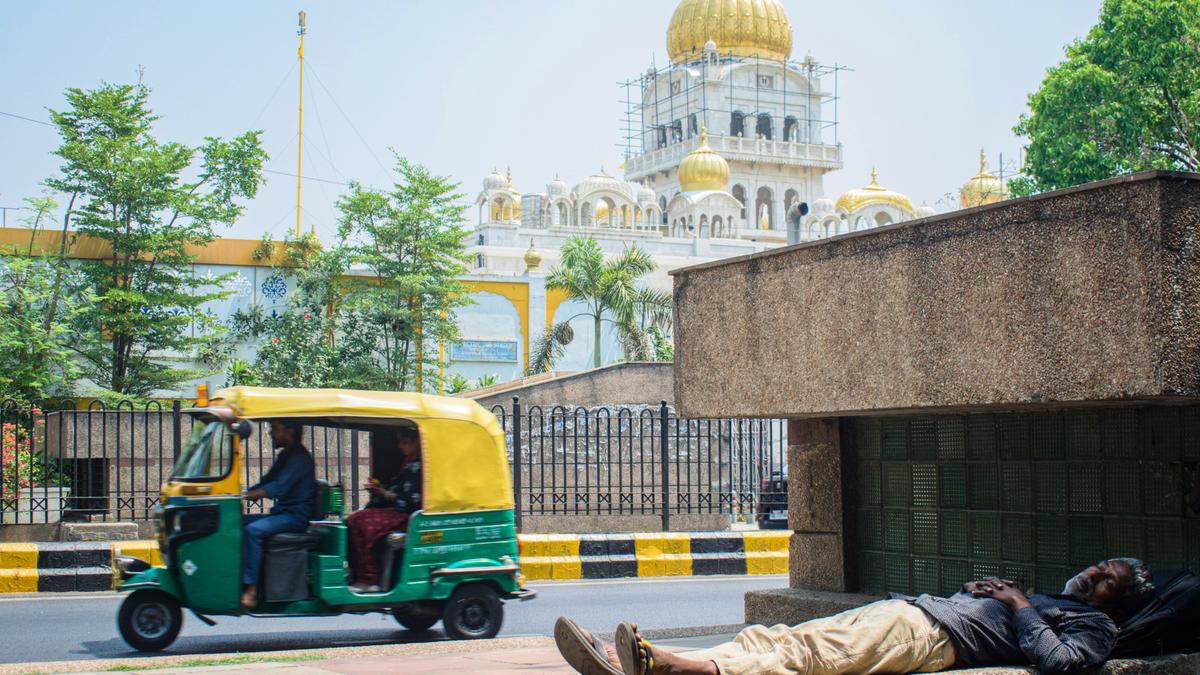
Every summer, a familiar question surfaces across India, echoing from homes to newsrooms: is it genuinely hotter, or have we simply become more sensitive? This isn’t just some nostalgic lament or biological quirk. The evidence is clear and uncompromising: India’s heat is intensifying, creeping in earlier, stretching longer, and striking deeper than ever before.
What’s happening isn’t a trick of perception. It’s real. Heat waves, once occasional and brief, have become persistent forces reshaping daily life and work. According to the India Meteorological Department, a heat wave is declared when the temperature reaches at least 40° C in the plains or 30° C in the hills, with a deviation of 4.5° C or more above normal for at least two consecutive days.
These thresholds, once rare, are quickly becoming the standard during summer months. In states like Odisha and Rajasthan, what used to be brief seasonal heat spikes now stretch into longer, more frequent episodes, cumulatively spanning months. Between June 2010 and the summer of 2024, cumulative heat wave days soared from roughly 177 to 536 — a staggering increase of over 200%.
Heat wave days count the total number of days on which heat wave conditions are recorded across all affected regions. Since heat waves strike different places at different times, these days are summed nationally, so the total may surpass the length of the summer season in any single location.
Despite the increasing severity of heat waves, official data likely underrepresents their true impact. Various government departments collect and report heat-related deaths using different methods and sources, which can lead to variations in the numbers presented. Between 2000 and 2020, India recorded 20,615 heatstroke deaths, according to government records. However, many heat-related fatalities occur outside hospitals — at homes, construction sites or village farms, for example — where medical assistance and formal death certification may not always be accessible. As a result, deaths triggered by heat are often recorded under broader causes like cardiac arrest or respiratory failure.
The absence of standardised, mandatory heat-related death reporting and real-time surveillance means many such deaths remain uncounted, creating challenges for public health planning and response. Independent researchers and organisations have sought to address this gap using excess mortality analysis: comparing actual deaths during heatwave periods with long-term seasonal averages.
While some critics question the accuracy of these estimates and the methods used, excess mortality analysis remains a widely accepted and robust epidemiological tool. It captures both direct and indirect deaths related to heat, including those misclassified under other causes such as cardiac arrest or kidney failure, which are often missed in official counts.


Vibha Batra’s latest book, Spotless (Hachette India) is a novel in verse for young adults

In its first edition, the Madras Art Salon spotlights the works of journalist and artist Narayan Lakshman at The Botanical Club, a social space in the British Deputy High Commission, Chennai

Cholesterol enhances melanoma cell invasion by making nuclei squishier, revealing a potential treatment target in cancer progression.

The designers reinterpret the Swedish artist’s symbolic forms and colour energy through contemporary resortwear silhouettes

Discover the inspiring legacy of Bibha Chowdhuri, a pioneering woman in physics and a trailblazer in STEM history.

Discover the inspiring legacy of Bibha Chowdhuri, a pioneering woman in physics and a trailblazer in STEM history.

Ashdeen’s Spring 2026 collection features saris inspired by the designer’s Parsi gara archive

Red ochre burials, ritual markings and myths across cultures show that red repeatedly marks liminal thresholds such as puberty, sacrifice and death; anthropologists argue that the colour functions as a technology of collective ritual and value, binding communities through shared symbolic acts

India approves 23 institutions for quantum labs under the National Quantum Mission, aiming to advance quantum technology and research.

India approves 23 institutions for quantum labs under the National Quantum Mission, aiming to advance quantum technology and research.

The Gaza conflict exacerbates environmental damage, emitting millions of tonnes of CO2 and threatening climate stability in West Asia.

Chefs and cookery experts share smart kitchen hacks, hybrid cooking methods and appliance tips to help households reduce LPG use without compromising on food

Discover groundbreaking research on Titan's lakes, bat vaccinations, and the unique aroma of ripening bananas in just one minute.