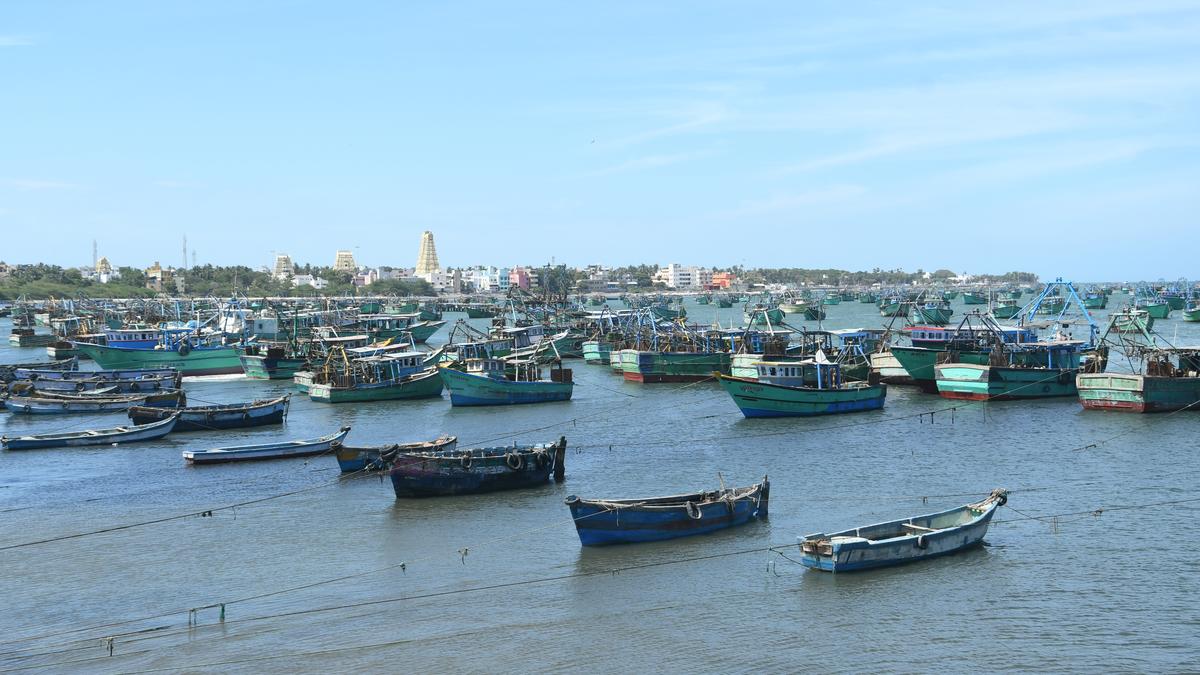
Indian fisherman dead after boat capsized in Sri Lankan waters: Sri Lanka Navy
The Hindu
Indian fisherman dies in Sri Lankan waters during arrest, highlighting ongoing tensions over illegal fishing practices.
One Indian fisherman died early on August 1, after his fishing boat capsized in Sri Lankan waters while resisting arrest by a Navy patrol vessel, Sri Lankan authorities said.
Confirming the development, Sri Lanka Navy spokesperson Captain Gayan Wickramasooriya told The Hindu that the boat resorted to “aggressive manoeuvres” while the Navy patrol units tried apprehending the boat on charges of illegal fishing in Sri Lankan waters.
“There were about 10 to 15 Indian trawlers early this morning (August 1, 2024). When our patrol boat tried capturing one, the fishermen on board tried to escape. Their boat capsized, and the four fishermen fell into the sea. One was seriously injured and taken to the hospital in Pungudutivu [off Jaffna peninsula], where he died. One more fisherman is missing, a search operation is on. Two were rescued safely and are in our custody,” he said.
The death of the fisherman reflects the latest escalation in the persisting problem of Indian fishermen, mostly originating from Tamil Nadu, who are periodically caught fishing in Sri Lanka’s territorial waters. Often resulting in mass arrests of Indian fishermen and seizure of their boats by the Sri Lankan Navy, the practice — Indian fishermen pursue the destructive bottom-trawler fishing method to maximise the catch — has also severely impacted war-affected Tamil fishermen living in northern Sri Lanka.
In June 2024, a sailor from the Sri Lankan Navy was killed in an operation targeting Indian fishermen and their fishing vessel, leading to Sri Lanka’s Foreign Ministry summoning a Colomb-based Indian official to raise the matter.
Representatives of the island nation’s northern fishing community have repeatedly urged the two governments to help fishermen from both sides resume talks at the earliest, to find a solution to the problem impacting lives and livelihoods on both sides of the Palk Strait.


Andhra Pradesh receives ₹19.47 crore for 44 handloom clusters, benefiting over 10,000 weavers under the National Handloom Development Programme.

Stay updated with The Hindu’s on-ground Tamil Nadu Assembly election coverage and voter insights across key constituencies.

Mettur dam water level reaches 82.770 feet, with inflow at 361 cusecs and discharge at 801 cusecs.

Udhagamandalam faces challenges in tourism and tea sectors due to poor infrastructure, pollution, and urbanization ahead of summer season.

Social activists and journalists from Shivamogga, who placed the demand for a strict law to stop honour killings, have thanked the State government for tabling the Bill and getting it passed in both Houses of the legislature with the support of all other parties.

Erode (East) voters prioritize pollution control, traffic solutions, and urban infrastructure as key issues ahead of upcoming elections.

T. Jeevan Reddy resigns from Congress after 42 years, criticizing party leadership and the influence of defectors.

Kanniyakumari Collector inspects vulnerable and sensitive polling stations

Westbrook: Opening Doors to your Child’s Best Start

The Mangaluru Chapter of the Indian National Trust for Art and Cultural Heritage (INTACH) organised a special lecture in memory of Rashtrakavi Manjeshwara Govinda Pai on Monday.

Hyderabad's Buddhavanam will host the World Buddhist Peace Conference 2026, attracting delegates from 22 countries to promote peace.

The Mysuru City Corporation (MCC) has set an ambitious revenue target for 2026-27, projecting significant increases in property tax, trade licences, and non-tax revenues, while setting aside substantial funds for infrastructure, digitisation, and urban development.

NCSC reviews the reservation policy at Kalpakkam's atomic energy units, ensuring effective implementation and addressing concerns with officials.