Indian comfort food meets Ayurveda in Sapna Punjabi’s Dal Chawal
The Hindu
Culinary wellness specialist Sapna Punjabi celebrates everyday Indian dishes and their Ayurvedic roots in her debut cookbook, Dal Chawal
I speak to Sapna Punjabi as the clock ticks way past midnight in her Texas home. After donning the hats of a dietitian, Ayurvedic practitioner, and founder of culinary wellness-spice brand beSPICED, Sapna wears a new one, that of a cookbook author.
As we sit down to chat about the recently-launched Dal Chawal (published by Hardie Grant Books), Sapna says the idea to pen a cookbook was brewing for a while. “I wanted to create something that I can share with others in a tangible form. A project that brought together my vegetarian lifestyle, Ayurvedic learnings, and my experience as a neo-natal dietician,” she says.
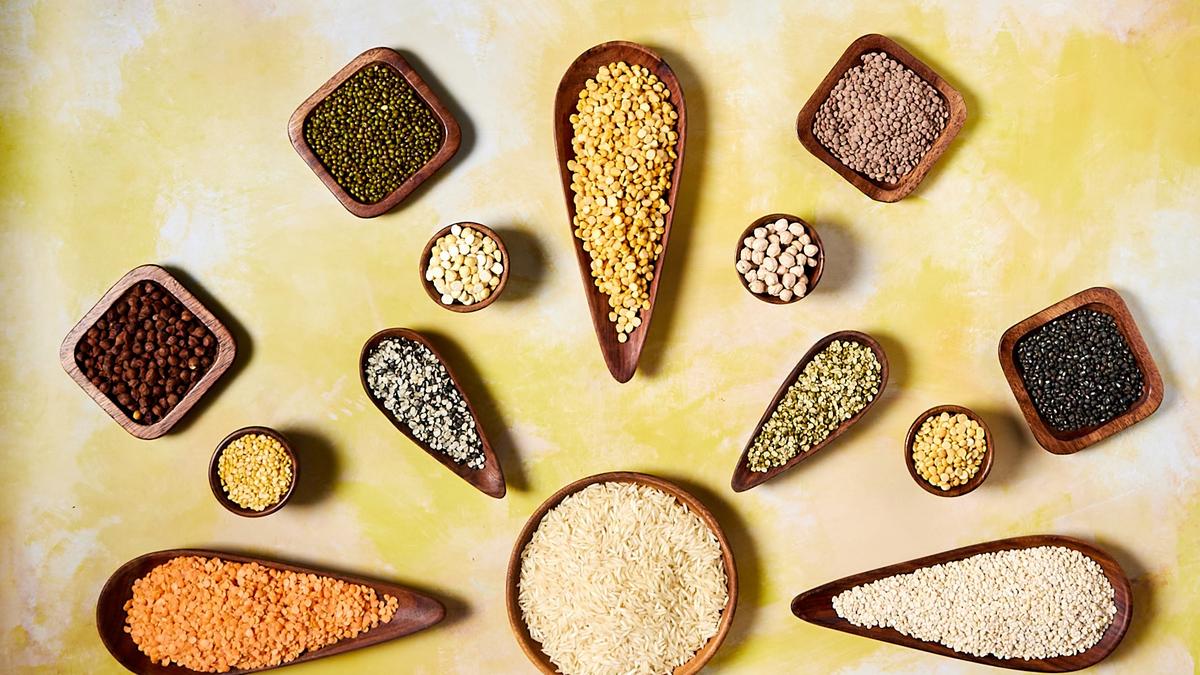
With Dal Chawal, the author has put together 85 vegetarian recipes blending two simple ingredients: dal (lentils) and chawal (rice). With chapters dedicated to dals such as moong, masoor, chana, toor, urad, rice preparations, and another with classic combinations such as handvo and chakkara pongal, Sapna also highlights each dish’s Ayurvedic properties.
“The book is a homage to all Indian mothers. The dishes are prepared in Indian homes every day, and my aim was to celebrate these simple recipes,” she says. “I am a first-generation immigrant whereas my children are American so I wanted these dishes to be cool for my Gen Z kids. For example, I grew up eating sookha moong dal with rotis but I use the recipe as a taco filling for my children. Similarly besan chillas turn into burger patties.”
“The book was not written to impress the Western audience, but to celebrate ghar ka khaana,” says Sapna, who worked as a dietician in Mumbai before moving to the US in the late 1990s. “I started cooking for myself after moving here, and when I worked as a neonatal dietician, my co-workers were always curious about what I ate and where I got my protein from!,” she says, adding that dal and rice are a complete protein meal in themselves. “This is also the root of Ayurveda, and something our grandmothers and mothers knew all along,” says Sapna. “Be it adding hing (asafoetida) to a dal’s tadka (tempering), drizzling ghee on hot rice, or having a ginger-turmeric pickle always in our fridge growing up, these techniques aid digestion,” says Sapna, adding that the two additional chapters on pickles and digestive drinks stemmed from this perspective.
Which is why, she says, the title Dal Chawal fit the bill for the book’s title and theme. “It brings about an instant connection with readers, and we all have our core memories with these ingredients. Be it a khichdi (porridge) when one is sick, or a sweet preparation for a festival.”
Her mother’s cooking had a huge influence on Sapna’s choice of dishes for the book. “I’m Sindhi by lineage, my parents were born in Mumbai but had Gujarati influence as they stayed in Ghatkopar, and growing up in Maharashtra gave me exposure to Marathi cuisine,” says Sapna, who wanted to honour India’s many regions through the dishes. For instance, the shalgam wali dal (spiced turnips with moong dal) is from Kashmir, chaunsa dal from Uttarakhand, Kumbakonam kadappa (moong dal stew with potatoes) is from Tamil Nadu.


Horses shone at Auroville's 2026 event, showcasing equestrian talent through dressage, derby, and show jumping competitions.

Telangana Governor Shiv Pratap Shukla attends Bihar Foundation Day celebrations in Hyderabad, honoring Bihar's historical and cultural contributions.

Samsung workers protest for the reinstatement of 27 suspended employees, citing unfulfilled promises from the Labour Minister.

The Vice-Chancellor of Rajiv Gandhi University of Health Sciences (RGUHS) B. C. Bhagavan said on Sunday that the university will soon open a research centre on Yoga and Naturopathy on 60-acre land in Bengaluru.

UT Matters: Construction of Uppar drain road overbridge in Puducherry to be completed in four months, amid traffic regulations.

Union Minister Dharmendra Pradhan highlights Bharat Innovates' aim to elevate Indian deep-tech startups to the global stage.

In an exclusive interview, DMK MLA Ezhilan discusses Tamil Nadu's 2026 elections, party structure, and local governance challenges.

Minister Satish Jarkiholi asserts confidence in retaining Davangere and Bagalkot seats in upcoming bypolls amid addressing internal discontent.

Sunil Ambekar of RSS emphasizes national unity, defending road prayer restrictions and promoting awareness of shared ancestry in India.

Opposition MPs and activists voice strong concerns against proposed amendments to the Transgender Persons Act at a Delhi hearing.

Four Assam police commandos injured in an extremist attack during a gunfight in Tinsukia district, officials report.

Campaigning intensifies in Ernakulam district as candidates engage voters ahead of the crucial Assembly polls.

Lord Rama rides Hanumantha Vahanam on sixth day of Brahmotsavams in Tirupati