India to commission second nuclear submarine INS Arighat today
The Hindu
Indian Navy to commission second nuclear submarine INS Arighat, part of Arihant class, enhancing strategic capabilities by 2035.
The Indian Navy is likely to commission its second nuclear submarine INS Arighat on Thursday (August 29, 2024).
The commissioning of the second boat is expected to be done in presence of the top defence, national security and military officials, sources said.
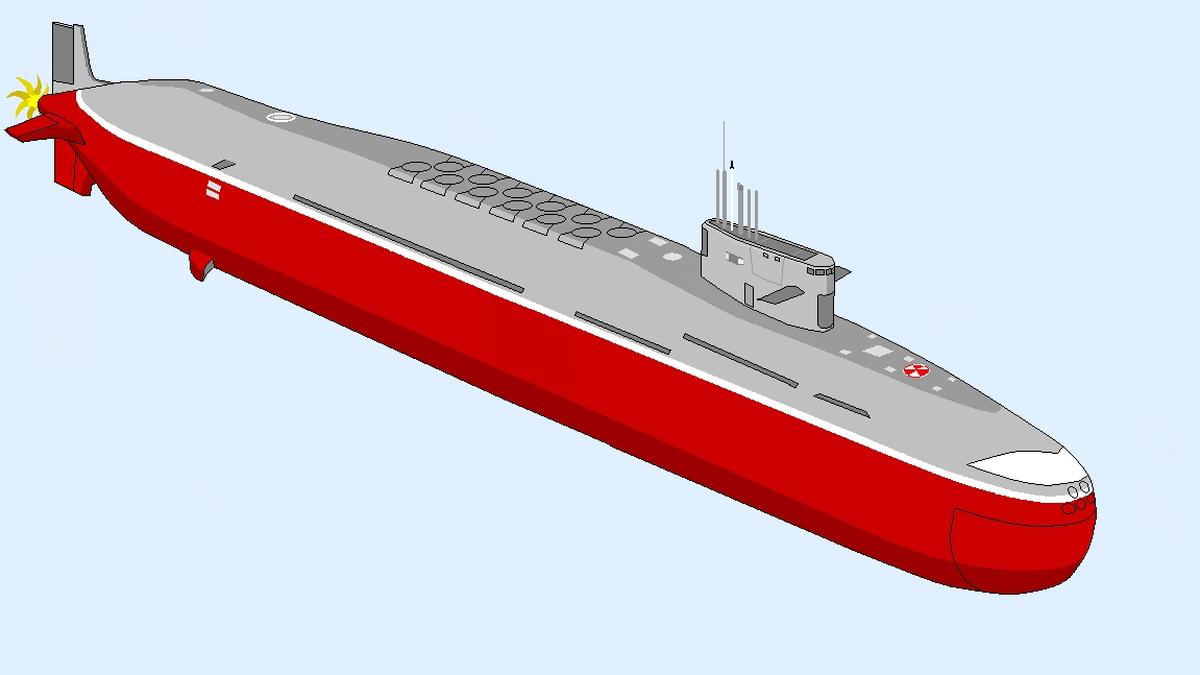
The submarine INS Arighat is the second boat of the Arihant class indigenous nuclear submarines and will be supporting the existing INS Arihant which was inducted in 2009.
The Indian Navy has already developed and tested long-range nuclear missiles from the two boats even as it prepares to induct the third boat shortly with two more set to be ready by the year 2035-36.
The Indian nuclear-powered ballistic submarines have been named the Arihant class which is a Sanskrit word meaning the 'Destroyer of the Enemy'.The name befits the strategic significance of a nuclear-powered submarine.
Among the many options considered, the name 'Arihant' was selected and approved at all levels because of its subtlety and appropriateness in conveying the resolve.
The Indian government has been planning to build both nuclear and conventional boats for its long-term submarine acquisition and capability development plan.


Two injured spotted deer are receiving care at Coimbatore's Wildlife Transit and Treatment Centre after being rescued from Mettupalayam Forest.

The 'Sri Sita Rama Kalyana Mahotsavam' festival begins with a turmeric grinding ceremony in Vontimitta on March 25.

VMRDA fast-tracks roads to Bhogapuram airport, creating a smarter shortcut for northern Vizag residents and boosting local growth.

MVI held in ACB trap, aide on the run in Khammam bribery case

Experts highlight urgent need for increased awareness of colorectal cancer signs, as many remain unaware of early warning signals.

Assam candidate Sewli Mohilary declares 37 bank accounts and 32 vehicles, with assets totalling ₹54.04 crore.

The All India Major Ports Volleyball & Beach Volleyball Tournaments 2025–26 at the New Mangalore Port Authority (NMPA) Sports Complex Premises and Panambur Beach were inaugurated on Tuesday, by NMPA Deputy Chairperson S. Shanthi.

EVMs, VVPATs moved to Assembly constituencies after first randomization

B.Y. Raghavendra, MP, urges artisans and youth to utilise the PM Vishwakarma Scheme for a self-reliant future in Shivamogga.

Two arrested for dangerous bike stunts near Secretariat, Lumbini Park

Dakshina Kannada Member of Parliament Captain Brijesh Chowta on Tuesday, urged the Union Finance Ministry to give go ahead for the merger of Konkan Railway Corporation Ltd., (KRCL) with the Indian Railways.

Protesters rally against plans to convert Ooty Race Course into an eco-park, citing environmental and legal concerns.

Join the Chaitra Drama Festival in Belagavi, celebrating World Theatre Day with performances and awards from March 27-29.