India takes first step to remove animals from drug-testing process Premium
The Hindu
Every drug in the market goes through a long journey of tests, each designed to check whether it can treat the disease for which it was created and whether it has any unintended harmful effects. For a long time, the first step of this process was to test the candidate molecule in at least two animal species. This could change with a new amendment passed by the Indian government.
An amendment to the New Drugs and Clinical Trial Rules (2023), recently passed by the Government of India, aims to replace the use of animals in research, especially in drug testing. The amendment authorises researchers to instead use non-animal and human-relevant methods, including technologies like 3D organoids, organs-on-chip, and advanced computational methods, to test the safety and efficacy of new drugs.
Every drug in the market goes through a long journey of tests, each designed to check whether it can treat the disease for which it was created and whether it has any unintended harmful effects. For a long time, the first step of this process has been to test the candidate molecule in at least two animal species: a rodent (mouse or rat) and a non-rodent, such as canines and primates.
However, humans are more complex creatures, and biological processes and their responses often vary from person to person as well, based on factors such as age, sex, pre-existing diseases, genetics, diet, etc. – and a lab-bred animal species reared in controlled conditions may not fully capture the human response to a drug.
This ‘mismatch’ between the two species is reflected in the famously high failure-rate of the drug development process. Despite increasing investment in the pharmaceutical sector, most drugs that cleared the animal-testing stage fail at the stage of human clinical trials, which come towards the end of the pipeline.
The limitations of the conventional testing process, beginning with animals, have led an increasing number of researchers to focus on systems that do a better job of capturing the intricacies of human biology and predicting humans’ responses.
In the last few decades, several technologies have been developed using human cells or stem cells. These include millimetre-sized three-dimensional cellular structures that mimic specific organs of the body, called “organoids” or “mini-organs”.
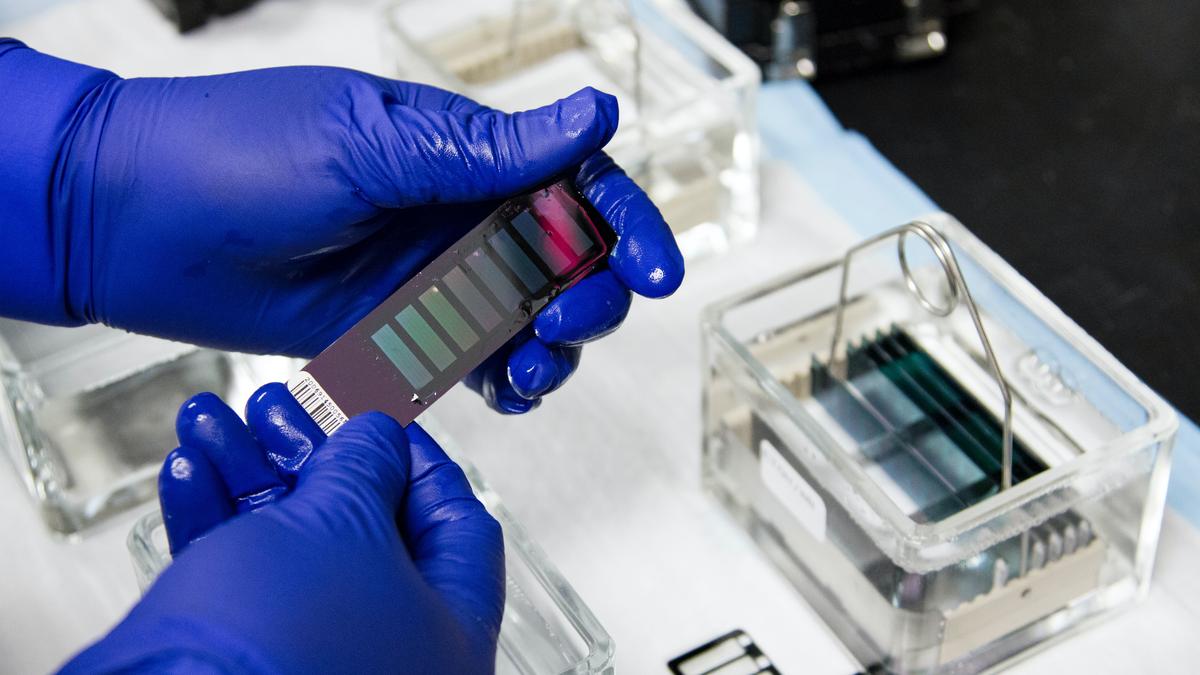
Another popular technology is the “organ-on-a-chip”: they are AA-battery-sized chips lined with human cells connected to microchannels, to mimic blood flow inside the body. These systems capture several aspects of human physiology, including tissue-tissue interactions and physical and chemical signals inside the body.


Discover the Minor Planet Centre, the key hub for tracking and verifying observations of small solar system bodies.

In this week's Science for All newsletter, XX explains

Test your knowledge with the quiz on Science films at the Oscars through history

Set between the Siwalik hills and the plains, Butwal offers travellers a mix of regional cuisine, pilgrimage trails to Lumbini and the comfort of Hyatt’s new hospitality landmark

Explore 2026's wallpaper trends in India, highlighting botanicals and handmade designs that enhance modern homes with nature-inspired aesthetics.

Mercedes-Benz CLA 250+ with EQ Technology review: design, performance, range and features explained. Discover how the new electric CLA combines advanced AI, long range, fast charging and futuristic styling for the next generation of luxury EVs.

AI tool for sparrow conservation

BTS’s comeback with ‘Arirang’ marks a major global music event. When does the album release, and where can you watch their concert live stream? We have all the details

The 2026 U.S. cholesterol guidelines urge starting screening and treatment at 30 to prevent cardiovascular disease effectively.

Olam Festival 2026 in Thiruvananthapuram returns March 27-29 with 120+ vendors, music, art, and cultural zones.

A few storytellers in Thiruvananthapuram share their journeys, challenges, and evolving methods on World Storytelling Day, inspiring young minds.

76-year-old Kurian Jacob from Kerala triumphs with seven medals, including five golds, at the Open Masters Games in Abu Dhabi.

Explore the nature of the human mind as an emergent property of brain activity and complex neural interactions.