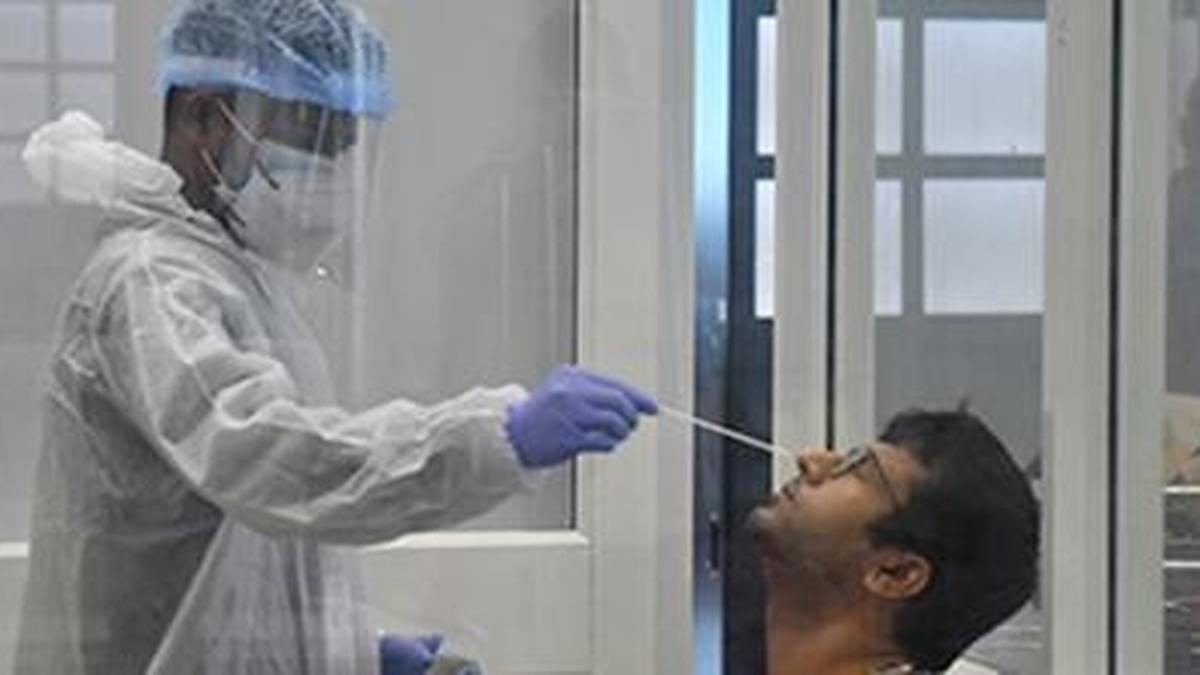
India may have had 11.9 lakh excess deaths due to pandemic in 2020: study
The Hindu
Study suggests India had 11.9 lakh excess deaths in 2020 due to COVID-19, despite government's claims, using NFHS-5 data.
India may have had 11.9 lakh excess deaths due to the effects of the COVID-19 pandemic in 2020, an international team of researchers has reported in the journal Science Advances.
The estimate is at odds with the Indian government’s repeated claim that far fewer people died than they would have without the pandemic in that year. It also stands on firmer footing than many previous estimates previous studies because the study’s authors used data from the fifth National Family Health Survey (NFHS-5), conducted in 2019-2021.
“Using this exceptionally large dataset helps to address major gaps in knowledge about pandemic mortality in India that stem in part from incomplete administrative data and low-quality survey data,” they wrote in their paper, published on July 19.
The researchers used NFHS-5 data collected in 2021, of 7.6 lakh people in households in 14 States and Union territories. This sub-sample, they wrote, is “representative of about one fourth of India’s population”. Based on this data, they found that the overall life expectancy in India in 2020 was comparable to that a decade prior, dropping by 2.6 years at birth between 2019 and 2020. This, they estimated, translated to a 11.9 lakh excess deaths around the country.
An important reason for the life expectancy decline is reportedly because more people aged younger than 60 years lost their lives in 2020. They also estimated the life expectancy of women at birth declined by one year more than it did for men at birth.
Based on numbers of the socio-economic indicators the NFHS tracks, the researchers also wrote, “Relative to high-caste Hindus, the gap in life expectancy at birth for [Scheduled Caste groups] increased from 4.5 years in 2019 to 5.9 years in 2020; for [Scheduled Tribe groups], it increased from 2.2 to 5.0 years, and for Muslims, it increased from 2.2 to 6.3 years.”
The study’s first author and a University of Oxford research fellow, Aashish Gupta, told PTI, “Marginalised groups already had lower life expectancy, and the pandemic further increased the gap between the most privileged Indian social groups, and the most marginalised social groups in India.”


Discover the Minor Planet Centre, the key hub for tracking and verifying observations of small solar system bodies.

In this week's Science for All newsletter, XX explains

Test your knowledge with the quiz on Science films at the Oscars through history

Set between the Siwalik hills and the plains, Butwal offers travellers a mix of regional cuisine, pilgrimage trails to Lumbini and the comfort of Hyatt’s new hospitality landmark

Explore 2026's wallpaper trends in India, highlighting botanicals and handmade designs that enhance modern homes with nature-inspired aesthetics.

Mercedes-Benz CLA 250+ with EQ Technology review: design, performance, range and features explained. Discover how the new electric CLA combines advanced AI, long range, fast charging and futuristic styling for the next generation of luxury EVs.

AI tool for sparrow conservation

BTS’s comeback with ‘Arirang’ marks a major global music event. When does the album release, and where can you watch their concert live stream? We have all the details

The 2026 U.S. cholesterol guidelines urge starting screening and treatment at 30 to prevent cardiovascular disease effectively.

Olam Festival 2026 in Thiruvananthapuram returns March 27-29 with 120+ vendors, music, art, and cultural zones.

A few storytellers in Thiruvananthapuram share their journeys, challenges, and evolving methods on World Storytelling Day, inspiring young minds.

76-year-old Kurian Jacob from Kerala triumphs with seven medals, including five golds, at the Open Masters Games in Abu Dhabi.

Explore the nature of the human mind as an emergent property of brain activity and complex neural interactions.