‘India keen to learn more about price cap compact for Russian fuel’: U.S.
The Hindu
Even countries that don’t join the coalition will benefit from the transparency, says U.S. Treasury Secretary
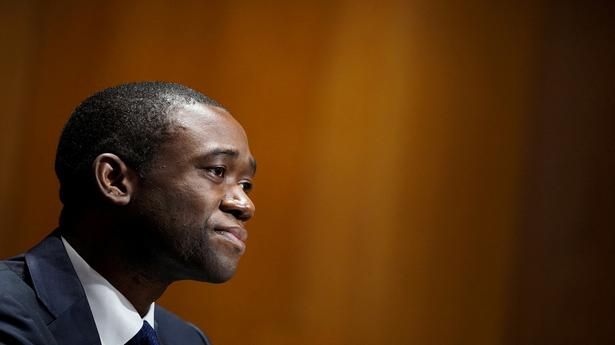
India has evinced interest in learning more about joining the global price cap coalition proposed by the G7 countries to rein in Russian fuel prices, deputy U.S. Treasury secretary Wally Adeyemo said on Friday, emphasising that even countries that don’t join the coalition will benefit from the transparency it will create about prices paid for Russian crude oil.
“The value proposition is simple,” said Mr. Adeyemo. “Ultimately, countries shouldn’t have to pay more for crude oil because of Russia’s war in Ukraine. We want to ensure that Russia would have to sell into the price cap coalition so we are going to take away the excess revenues they are earning because of the risk premium they have created in the market,” he added.
As per a plan mooted by the G7 nations, a price-capping mechanism will be put in place for Russian oil exports before December 5, after which European services providers intend to stop providing insurance cover for Russian crude oil transportation by sea.
“What the price cap exception does is you can still use European services if you are buying the Russian oil shipments underneath this price,” the visiting US official said, adding that Europe has almost 90% of the market for such insurance services.
Mr. Adeyemo, who met Finance Minister Nirmala Sitharaman on Friday, said that Indian policymakers he had met with and discussed the price cap idea ‘are very interested in learning more about the details’ because their primary objective is to buy energy at the cheapest price possible for Indian consumers and businesses.
“So we are providing them with information, we are going to continue the conversation with them going forward, but we see an openness to having that conversation,” he said.
The price cap, the deputy secretary stressed, is just a tool to meet the ultimate goal of reducing Russian revenues while keeping fuel supplies running.


Power Minister highlights energy security and renewable transition during Bharat Electricity Summit 2026 amid global tensions.

The rupee hits a record low of 93.08 against the dollar, pressured by rising oil prices and FII outflows.

OpenAI said on Thursday it will buy Python toolmaker Astral, as the ChatGPT maker seeks to strengthen its portfolio against rival Anthropic to gain more share in the artificial intelligence coding tools market.

Crude oil prices drop over 2% as Netanyahu reassures investors amid ongoing Iran conflict and rising energy market concerns.

PPAC designated as nodal agency to enhance data collection on domestic fuel and energy stocks for improved mandate enforcement.

Indian markets plunged over 3% amid soaring crude prices, rupee depreciation, and escalating West Asia geopolitical tensions in March 2026.

Government launches ₹497 crore RELIEF scheme providing credit insurance to exporters affected by the West Asia crisis, focusing on MSMEs.

Crude oil futures rise amid Middle East attacks, pushing Brent above $116 on fears of tightening global supply.

West Asia conflict delays India’s FTA talks with GCC and Israel, while UK and EU agreements proceed as planned in 2024.

Russian Urals oil vessels will reach India on March 21 amid stable fuel prices and diversified LPG imports.

Warner Bros. dominated the Academy Awards, but Paramount’s looming acquisition of the studio signals the biggest restructuring of the industry in decades and a battle over the future of Hollywood itself

HDFC Bank board calls Atanu Chakraborty’s resignation baffling, affirms robust corporate governance and strong market confidence.

RNFI and Jio Payments Bank launch cardless UPI QR cash withdrawals for instant access across urban, semi-urban, and rural India.