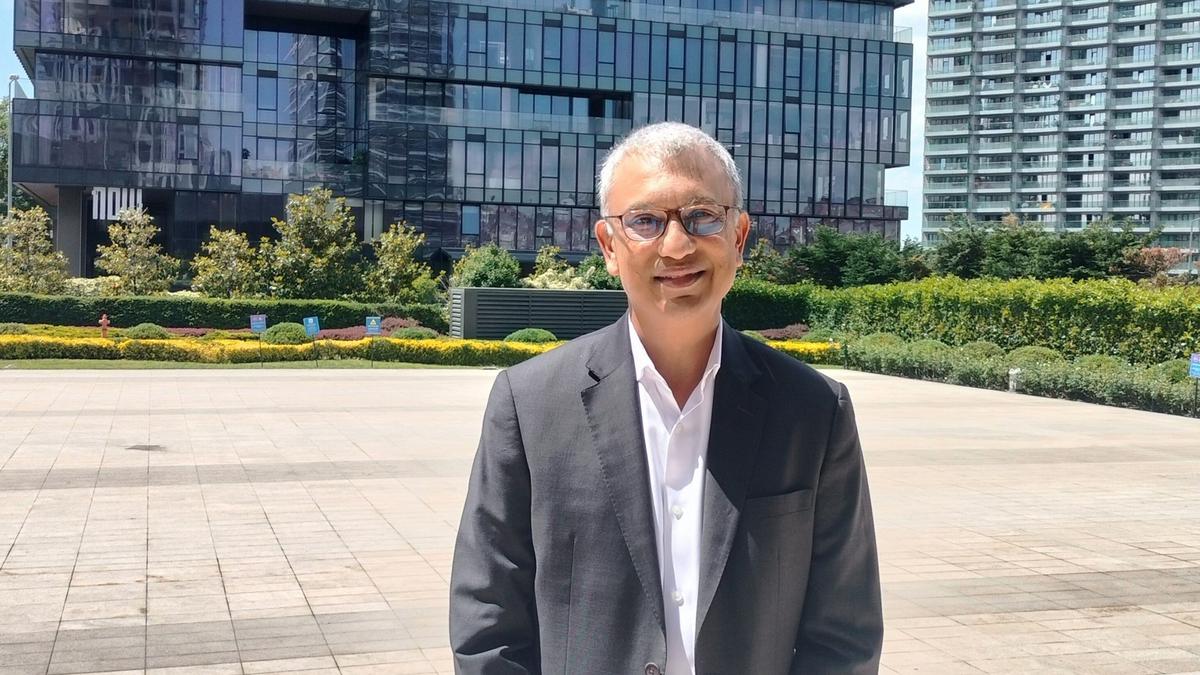
India has one of the best airfare regimes; there should be no 'gouging': Akasa Air CEO
The Hindu
India has one of the best airfare regimes in the world, but there should not be “gouging” in terms of ticket prices to take advantage of a particular situation, according to Akasa Air CEO Vinay Dube
India has one of the best airfare regimes in the world, but there should not be "gouging" in terms of ticket prices to take advantage of a particular situation, according to Akasa Air CEO Vinay Dube.
His comments come against the backdrop of concerns about a steep rise in airfares in certain routes amid capacity reduction due to the Go First crisis and higher travel demand, and the government asking airlines to devise a mechanism to ensure a reasonable ticket pricing system.
India is one of the world's fastest-growing aviation markets, and domestic air traffic is recovering strongly after the coronavirus pandemic.
Mr. Dube, also the founder of Akasa Air, said the Civil Aviation Ministry has an excellent point in terms of gouging and is not talking about average fares in India, like equivalent to $45 or 50, which is too high.
"Gouging is what the government is worried about... as an airline fraternity, we should ensure that there is no gouging," Mr. Dube told PTI in an interview in Istanbul.
He explained that gouging is a particular term used when anybody really jacks up the price of something to take advantage of a particular micro-environmental situation.
"Gouging is just not a good thing. The airfares on an average in India are the most customer friendly in the world in any kind of sizeable aviation economy. The Indian consumer average has one of the best airfare regimes you can find anywhere in the world. That is a fact and we have some of the cheapest average fares anywhere in the world," he pointed out.


India monitors U.S.-Iran tensions as Trump pauses attacks, leading to a significant drop in oil prices.

Union Minister Ashwini Vaishnaw launches three initiatives to enhance India's creative economy through AI training, citizen platforms, and advanced tech access.

Two Indian-flagged LPG tankers approach the Strait of Hormuz, navigating safely amidst regional tensions to reach Indian ports.

Gold and silver prices plummet over 7% due to West Asia tensions, inflation fears, and a stronger dollar.

Asian shares fall as rising oil prices and escalating Iran conflict diminish hopes for U.S. interest rate cuts.

Japan's SoftBank Group said Saturday it plans to build a huge new gas-fired power plant in the US state of Ohio

Silver prices plunge 9% to ₹2.06 lakh per kg in futures trade amid weak global cues and rising macroeconomic pressures.

OpenAI plans to nearly double its workforce to 8,000 from 4,500 by the end of 2026, the Financial Times reported on Saturday, citing two people with knowledge

Global equity markets plummet as West Asia tensions rise and oil prices surge, triggering significant investor anxiety.

The rupee hits a record low of 93.94 against the dollar amid foreign fund outflows and a crashing equity market.

The Thane police have arrested two co-founders of cryptocurrency exchange platform CoinDCX in connection with an alleged fraud of Rs 71.6 lakh, officials said

Meta Chief Executive Mark Zuckerberg is building a CEO agent to help him do his job, the Wall Street Journal reported

Insurance penetration and density are often misunderstood and do not reveal how many families are insured or whether they would be financially secure if the main earning member were to die. The real issue is not reach but adequacy, as households may have life insurance but not enough cover to replace lost income, leaving them financially vulnerable.