India enters into bilateral collaboration with five countries to conduct research in traditional medicines and study best practices
The Hindu
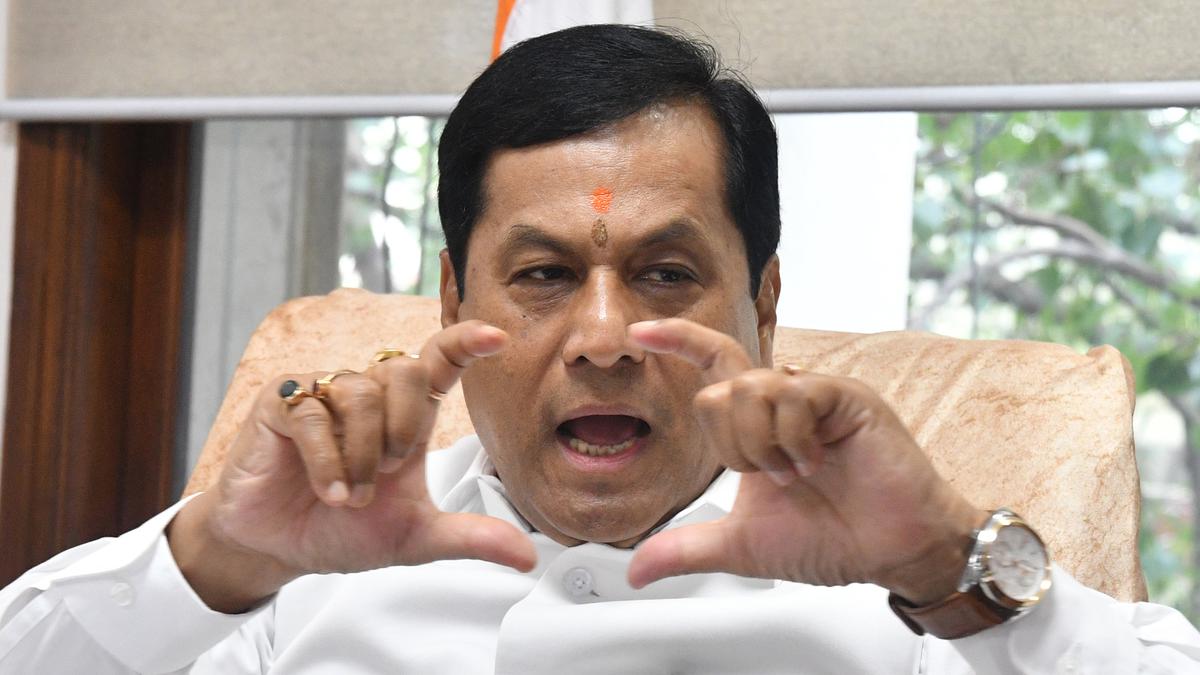
To expand the scope and work of Indian Systems of Traditional Medicine, India has entered into a bilateral collaboration with five countries — Nepal, Cuba, Malaysia, Venezuela, and Qatar — to share best practices and benefit from the work going on here in this field. “These bilateral meetings have provided an opportunity for renewing of ties, and exploring various initiatives for research, practices, education, and training in the field of Ayurveda and other Traditional Medicine system,’’ said Union Minister of Ayush Sarbananda Sonowal on Monday
In an effort to expand the scope and work of Indian Systems of Traditional Medicine, India has entered into a bilateral collaboration with five countries — Nepal, Cuba, Malaysia, Venezuela, and Qatar — to share best practices and benefit from the work going on here in this field.
“These bilateral meetings have provided an opportunity for renewing of ties, and exploring various initiatives for research, practices, education, and training in the field of Ayurveda and other Traditional Medicine system,’’ said Union Minister of Ayush Sarbananda Sonowal on Monday.
“The focus is to bring in and provide quality education, access to best practices and research and development partnerships for global good,’’ explained the Minister.
Meanwhile, speaking about the first World Health Organisation-Traditional Medicine Global Summit which concluded on August 18 in Gandhinagar he said that this Ministry of Ayush co-hosted initiative would soon see the release of a Gujarat Declaration on Traditional Medicine.
“The declaration will be released soon by WHO and it emphasises the importance of traditional medicine being recognised for attainment of Universal Health Coverage and WHO’s commitment to work toward it through evidence generation and policy support to member-states,’’ he said.
The Ministry in its release added that the summit has been able to elicit strong commitment from the diverse and unique groups of partners and stakeholders to harness the potential of the evidence-based Traditional, Complementary and Integrative Medicine.
“The summit will contribute to charting out the future course of action of WHO Global Centre for Traditional Medicine. Its outcomes will contribute significantly to the formation of ‘WHO TM Strategy 2025-34’ document,’’ noted the release.


Indian vessels can freely sail through the Strait of Hormuz without needing permission, confirms a senior government official.

The Hindu Morning Digest gives a select list of stories to start the day. Read the top news today on March 25, 2026

An IndiGo flight at Vijayawada airport was grounded due to a tyre burst, but all 79 occupants are safe.

Tamil Nadu Assembly election 2026: TMC(M) gets five seats in NDA, to contest on BJP's 'Lotus' symbol
TMC(M) secures five NDA seats, to contest Assembly elections using BJP's 'Lotus' symbol in Tamil Nadu.

The Karnataka government will discuss with officials the possibility of creating a portal for unemployed youth to share their details and access job opportunities in micro, small and medium enterprises (MSMEs), Minister for Small Industries and Public Enterprises Sharanabasappa Darshanapur said in the Legislative Council on Tuesday.

AIADMK's 2026 manifesto promises free rations, women's benefits, education reforms, and economic growth initiatives for Tamil Nadu.

U.S.-Israel war on Iran LIVE: Follow The Hindu for updates on the West Asia conflict on March 24, 2026

Join the 'Click & Commit' campaign on World TB Day, uniting Chennai's community to pledge against tuberculosis.

Brahmin candidates join Naam Tamilar Katchi, marking a significant shift in Tamil Nadu's political landscape and inclusivity.

Over 750 wheelchairs are prepared in Thoothukudi for accessible voting, ensuring convenience for differently abled and elderly voters.

Madras HC dismisses S.P. Velumani's petition challenging I-T assessment of ₹7 crore as unexplained election expenses from 2016.

The Lok Sabha passes a contentious Transgender Bill, sparking praise from the government and criticism from opposition parties.

Kamal Haasan announces support for DMK in 2026 elections, emphasizing the need for 'Dravidian Model 2.0' for Tamil Nadu's welfare.