In the remote communities of Northern Ontario, climate change has lit a fuse on reconciliation
CBC
This column is an opinion by Tom Kehoe, a contractor in Thunder Bay, Ont., and a citizen of the Métis Nation of Ontario. For more information about CBC's Opinion section, please see the FAQ.
Pickle Lake, Ont., is where the road ends. Put any community north of there into Google Maps and it returns "No Routes Found." You are at the terminus of Highway 599 and the most northern point of the provincial highway system; almost 300 kilometres from where you turned off the Trans Canada Highway in Ignace. There is nowhere farther to drive.
Except for one month of the year.
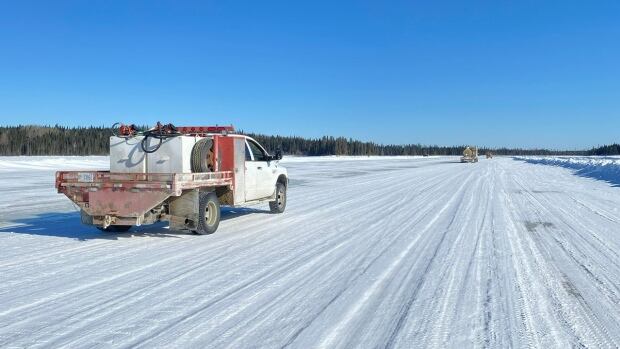
First the muskeg freezes, then the lakes and finally the many bridge-free rivers. At that point the province gives the green light and the ice roads open. It begins with light loads and, weather-dependent, increases as the ice thickens.
The trucks begin staging at Pickle in advance. Loads approaching 100,000 pounds of anything that is too heavy, too bulky or too volatile to be flown in during the other 11 months of the year. Building materials, medical equipment, heavy machinery, vehicles… the list is too long to detail.
This is truly no country for old men. The drive is physically and mentally taxing. Hundreds of kilometres of black spruce and ice. Daylight is at a premium. No rest stops along the route. The ice will get chopped up very quickly by the heavy loads, making for a bone-rattling ride. A missed turn will leave you stranded for hours or days.
The destination is one of dozens of remote First Nations. Fly-in only communities. It is the one chance to restock and rebuild for the year ahead. There are no do-overs. Anything forgotten or undeliverable will have to wait until next year.
At least that's the plan. That plan is getting harder, however.
This year, even with February average temperatures five degrees colder than normal, the ice roads were only open for about three weeks. In an average year that will be even shorter. Warmer than average, and they may not open at all. Critical supplies and materials will have to wait another year.
We don't hear much said about the impact of climate change on Indigenous reconciliation, but the impact is clear, and it's potentially disastrous.
Consider the cycle of forest fires and flooding that occurred in British Columbia over the last year. Modern, sophisticated infrastructure burned or washed away. Then consider the impressive deployment of labour and machinery that sprung into action to replace and repair roads, bridges and other critical infrastructure, often improving the previous iteration and making it more resilient to future disasters.
Remote First Nations are experiencing the exact same cycle of disasters, yet are far more vulnerable to the repercussions.
Fires or floods require entire communities to be evacuated and flown hundreds of kilometres away. It has become a sad, annual tradition for many communities. Forced to reside for weeks in an unfamiliar, frequently hostile community.
The infrastructure itself is already more vulnerable. Gravel roads and airstrips are more prone to being washed away. There are no storm sewers to divert floodwaters. You are surrounded by the boreal forest and the accompanying fire risk; enhanced by heat and drought. There are few, if any bridges across rivers with rapidly eroding riverbanks.


A group of Inuvik youth are learning how to design and print their own apparel.

The federal Conservative Party's campaign manager is shrugging off polls showing the Liberals hold a double-digit lead over the Tories — while Pierre Poilievre says he's broadening his image but won't change who he is.

Despite the proliferation of virtual care during and following the pandemic, the practice is not freeing up doctors as some might have hoped, according to new research published in the journal BMC Primary Care.

Daniel Doody says his trip to the Yukon earlier this month was ruined when he learned his luggage wouldn't arrive with him.

Ontario's legislature is set to resume sitting Monday after a 14-week break that ended in a veritable deluge of news, partial proposals and headline-grabbing musings from Premier Doug Ford and his government.

A new generation of kids on Prince Edward Island will get a chance to peep through the Polka Dot Door this summer.

This year marks 200 years since London was founded. As part of the bi-centennial, local carver Mary-Ann Jack-Bleach is paying tribute to some of the city's black pioneers. Once complete, the carving will be displayed at the Silverwoods Community Centre this fall. Jack-Bleach spoke with CBC Afternoon Drive host Matt Allen about the individuals being featured in the carving.

Iran responded Sunday with threats of its own, a day after U.S. President Donald Trump warned the United States will "obliterate" Iran's power plants if Tehran fails to fully open the Strait of Hormuz in 48 hours.

In advance of what is expected to be a hot summer, the City of Kamloops is encouraging homeowners to request a free assessment of their properties to make sure they are resilient in the face of wildfire.

Friday may have been the first day of spring, but winter storms are not over yet for Newfoundland.

Daniel Doody says his trip to the Yukon earlier this month was ruined when he learned his luggage wouldn't arrive with him.

The future of a national historic site in Fredericton is up for discussion at meetings across New Brunswick in the next few weeks as the Anglican diocese considers what to do about costly repairs needed at Christ Church Cathedral.

EDITOR'S NOTE: CBC has removed the names and photo from this story. Now that the people are no longer missing, their identity is no longer in the public interest.