In the name of Waqf: a snapshot of situation in Telangana Premium
The Hindu
Opposition grows as stakeholders debate the controversial Waqf (Amendment) Bill, 2024 in Hyderabad, revealing deep-seated concerns and divisions.
A wave of Opposition gathered momentum as the Joint Parliamentary Committee met stakeholders in Hyderabad to discuss the controversial Waqf (Amendment) Bill, 2024. Politicians, Muslim faith leaders, and a host of organisations have rallied tens of thousands of concerned citizens, flooding the committee with e-mails voicing apprehension. When the committee convened a session on September 28, there was a heated debate among members, while tensions simmered outside the meeting hall with occasional sloganeering.
But first, a snapshot of the State of waqf in Telangana: troubling. According to the first Waqf Survey, which was completed in 1989, there were as many as 33,929 properties, encompassing a total of 77,538 acres classified as waqf land. However, according to the Telangana State Waqf Board (TGSWB)’s data, nearly 75% — or 57,420 acres — have been encroached upon. A clear and formal account of the newer waqf properties and the extent of waqf lands is still awaited.
Officials say that both the State and the TGSWB are yet to reach an agreement on the data from the second Waqf Survey, which started in 2001 and concluded in late 2016.
“The Survey Commissioner, a government officer, submits a (survey) report to the State government, which then forwards it to the TGSWB for verification. The board reviews the data, adds comments, and sends it back to the government, which makes minor adjustments before finalising the report. The second survey identified around 13,000 more waqf properties, though they are much smaller in size,” explains an official, requesting anonymity.
“While the second survey in Telangana was completed in 2016, it is still pending verification,” adds the official.
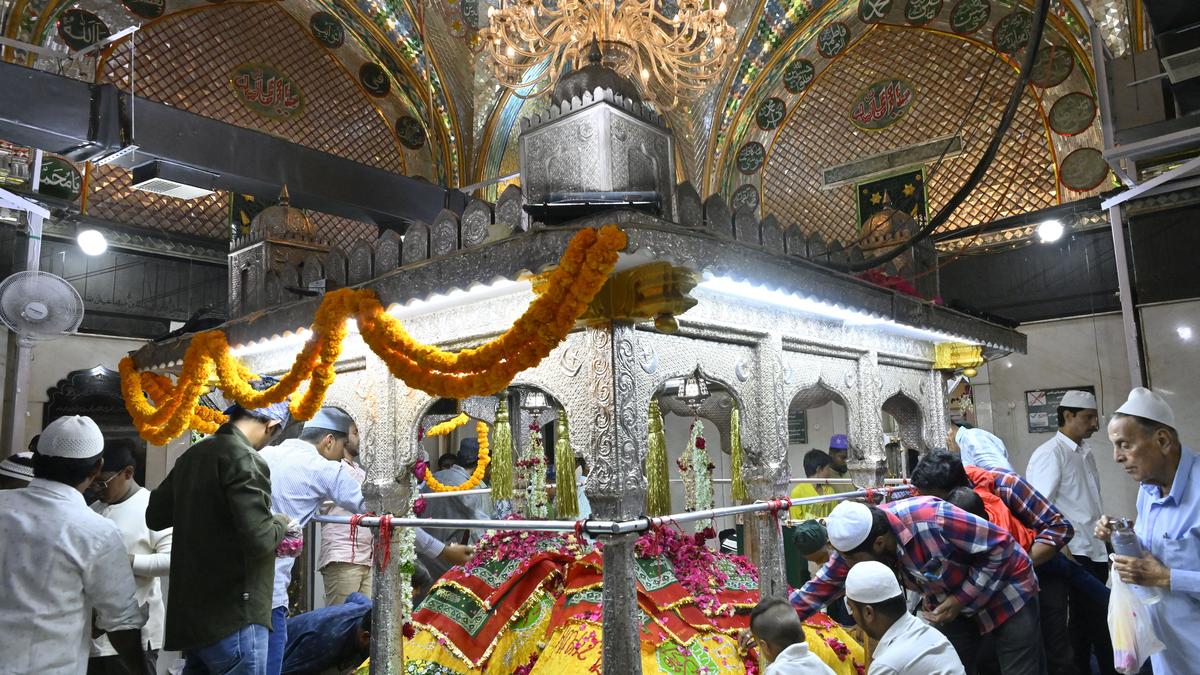
According to the Waqf Assets Management System of India, Hyderabad district has 3,714 immovable waqf properties, while Adilabad has 3,079, Karimnagar 2,710, Khammam 1,405, Mahbubnagar 6,315, Medak 8,429, Nalgonda 4,235, Nizamabad 5,727, Rangareddy 7,235, and Warangal 2,833. These properties range from agricultural land, ashoorkhanas, and buildings to dargahs, graveyards, houses, eidgahs, and masjids.
Despite several plans by successive governments and the State Waqf Board to increase revenue from these properties, efforts in many cases have proved futile. In united Andhra Pradesh, the Minorities Welfare Department had paved the way for developing nearly a dozen properties to generate income for the board, but those plans did not materialise, say senior officials.


Srirangam residents seek improved infrastructure and amenities to support rapid urbanization and growing tourism demands in the constituency.

Alandur faces unresolved civic infrastructure issues, including lack of water and drainage, despite recent development efforts ahead of TN Election 2026.

Delhi's fiscal deficit surged by 62% in 2025-26, reflecting revenue declines and raising concerns about the city's economic health.

Kerala Assembly Elections 2026: Anvar and Firos face multiple namesake rivals in their constituencies amid a crowded candidate field.

Kamal Haasan announces support for DMK in 2026 elections, emphasizing the need for 'Dravidian Model 2.0' for Tamil Nadu's welfare.

DMK finalises seat-sharing for the 2026 Tamil Nadu Assembly elections, contesting 175 seats with allies DMDK and VCK.

Parliament may adjourn early for Assembly elections, allowing MPs to campaign in key election-bound states.

Indian vessels can freely sail through the Strait of Hormuz without needing permission, confirms a senior government official.

The Hindu Morning Digest gives a select list of stories to start the day. Read the top news today on March 25, 2026

An IndiGo flight at Vijayawada airport was grounded due to a tyre burst, but all 79 occupants are safe.

Tamil Nadu Assembly election 2026: TMC(M) gets five seats in NDA, to contest on BJP's 'Lotus' symbol
TMC(M) secures five NDA seats, to contest Assembly elections using BJP's 'Lotus' symbol in Tamil Nadu.

The Karnataka government will discuss with officials the possibility of creating a portal for unemployed youth to share their details and access job opportunities in micro, small and medium enterprises (MSMEs), Minister for Small Industries and Public Enterprises Sharanabasappa Darshanapur said in the Legislative Council on Tuesday.

AIADMK's 2026 manifesto promises free rations, women's benefits, education reforms, and economic growth initiatives for Tamil Nadu.