In Frames | The art of gender-bending
The Hindu
Manipur’s traditional theatre form of Shumang Leela has continued to inform and entertain down the ages
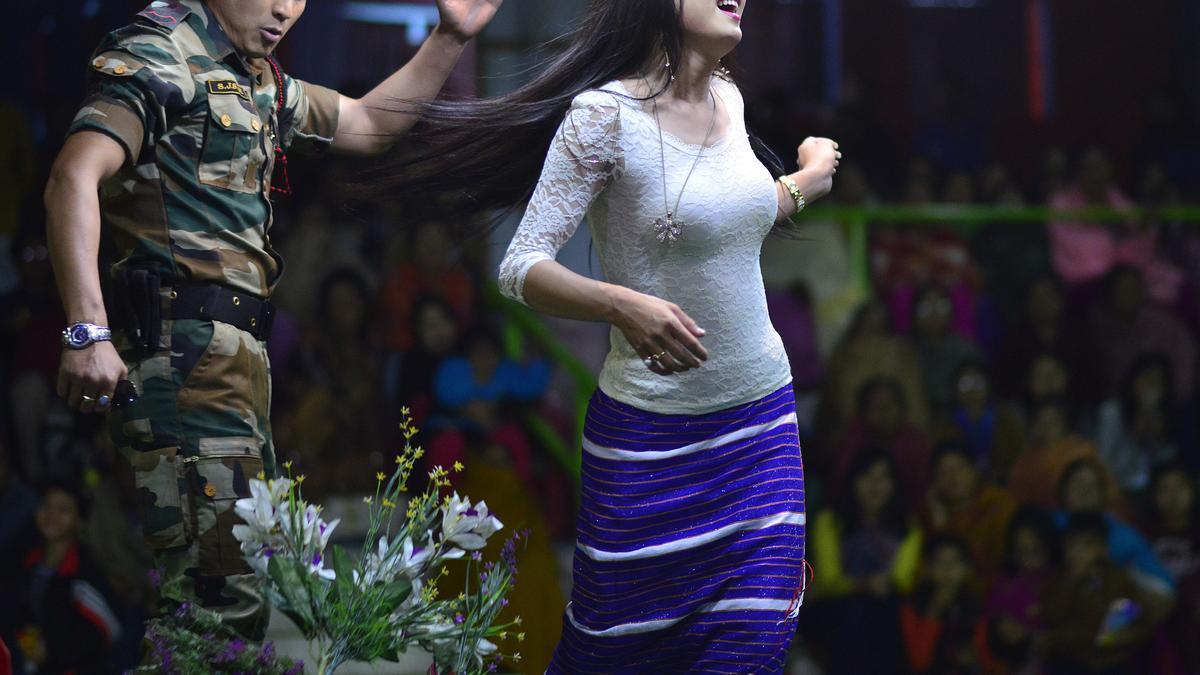
Shumang Leela is a traditional form of theatre in Manipur where the roles of women are all played by men, called Nupi Shabis. In the case of women’s theatre groups, the roles of men are played by women.
Shumang Leela translates to “courtyard performance”. It is performed in an open courtyard surrounded by spectators on all four sides.
The tradition is believed to be descended from Lai Haraoba, a ritual of the Meitei community of Manipur. The plays serve as a medium to spread awareness among people of social, political and economic issues. Shumang Leelas may also discuss moral values, unity and integrity. This theatre form has for long been trying to strengthen the bond of brotherhood and friendship among various communities in the State.
Today, Shumang Leela is of two types: Nupa Shumang Leela, performed only by men, and Nupi Shumang Leela, performed only by women. In a society marked by heteronormativity, the gender-bending nature of Shumang Leela makes it a unique art form that is fraught with complexity. The men who take up female roles or vice versa are both lauded and laughed at. However, the traditional theatre form has preserved its niche, and its aim to inform and entertain has remained unchanged.


Sobha Surendran refutes V.D. Satheesan's claims of a BJP-CPI(M) deal, attributing them to fear of electoral defeat.

V.D. Satheesan praises G. Sudhakaran as a just administrator, highlighting respect amid political differences in Kerala Assembly polls.

Kerala court sentences G. Sandeep to life imprisonment for the murder of Dr. Vandana Das, with appeals for a death penalty pending.

Erode (East) voters prioritize pollution control, traffic solutions, and urban infrastructure as key issues ahead of upcoming elections.

Civil supplies department seizes 55 illegal LPG cylinders, booking 19 individuals to prevent domestic supply shortages in Vizianagaram.

Hyderabad police bust illegal samosa unit, seizing 500 stale eggs and used cooking oil, risking public health.

Eid prayers are held in Delhi's Uttam Nagar under heavy police presence amid heightened communal tensions and security measures.

Tensions rise in Mathura as locals protest cow vigilante's death, prompting a strong response from authorities and police.

Join the Met Centre Hyderabad's open house on March 23 to learn about weather forecasting and its real-life applications.

Kerala CM Pinarayi Vijayan blames Congress and BJP for India's cooking gas crisis, citing failures in energy policy and corporate interests.

An 81-year-old businessman loses ₹15.4 crore in a digital arrest scam involving fake CBI and RBI officials.

AP cadre IAS officer A. Vani Prasad is reallocated to Telangana cadre following a Telangana High Court order.

TMMK hosts special Eid prayers in Chennai, emphasizing peace amid ongoing West Asia conflicts and supporting those in need.