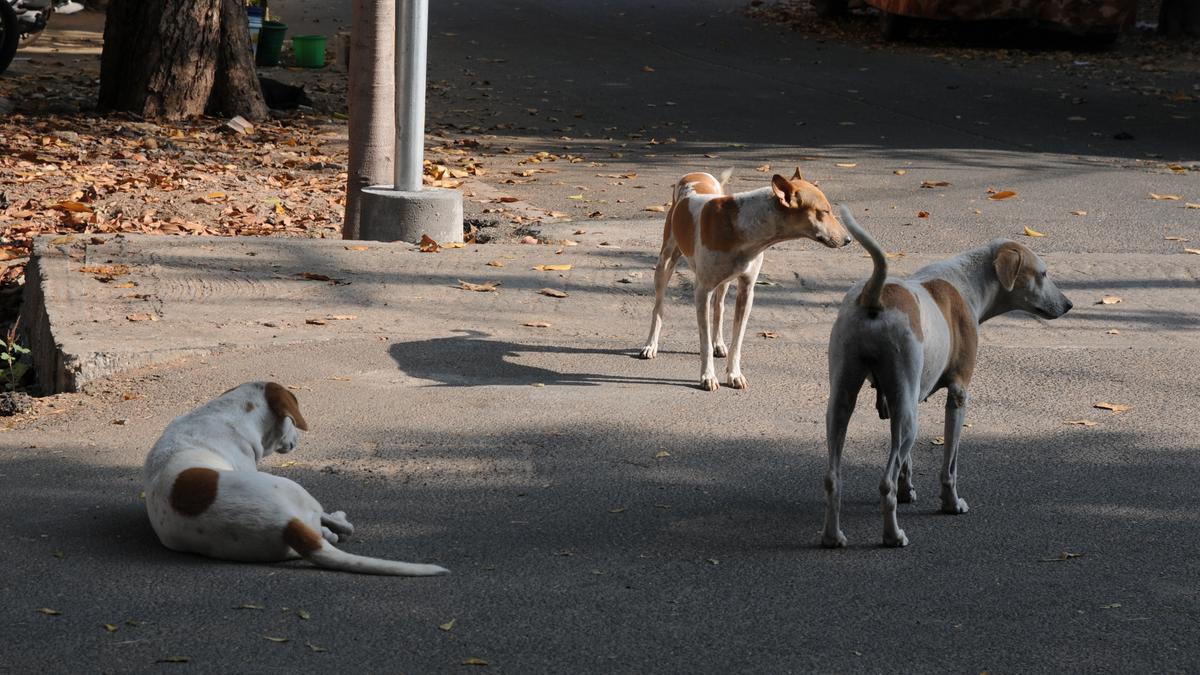
In bid to curb stray dog population, Erode Corporation scales up animal birth control programme, installs second surgery room
The Hindu
The civic body in Erode is creating additional facilities at its Animal Birth Control Centre and Shelter to control the population of stray dogs, with plans to sterilize and vaccinate an average of 1,200 dogs per month.
With the stray dog population estimated to be around 27,000 in the four zones of the city, the Erode Corporation has decided to create additional facilities at its Animal Birth Control Centre and Shelter in Solar, to expedite the animal birth control (ABC) programme.
Residents, road users and shopkeepers have been complaining of a dog menace in all 60 wards in the city, and have been urging the civic body to take effective steps towards this.
Though the ABC programme was started in 2010, where dogs were caught, sterilised and returned to the same area, it could not be continued due to various reasons. Recently however, the civic body roped in veterinarians and a study, using global position system (GPS) and scientific methods, was conducted to estimate the population of dogs. An NGO was selected and permission was obtained from government bodies to execute the ABC programme with two veterinarians. The NGO is being paid ₹1,650 per dog to catch, sterilise and administer the anti-rabies vaccine at the centre. The NGO will then return the dogs to their respective areas. The facility at Solar has a shelter home with an operation theatre and pre-and-post operative wards.
Currently, a vehicle with 12 compartments is used to transport dogs to Solar while 24 dogs are sterilised and vaccinated a day. The dogs are allowed to recuperate for five days at the centre and then dropped back their areas. The process began on January 9, 2024, and about 600 dogs have been sterilised so far. Since it may take many months to sterilise all the dogs, during which their population could increase, the civic body has decided to create an additional surgery room and induct additional vehicles for transportation.
A senior health officer told The Hindu that the new room would help to operate on an additional 24 dogs so that on an average 1,200 dogs are sterilised a month. “Currently, the civic body spends ₹10 lakh a month for the programme and it would have to spend another ₹10 lakh to sterilise more dogs,” the official said and added that expediting the programme would help in controlling the dog population.


Diya Chitale and Manav Thakkar reach semifinals, while Yashaswini Ghorpade upsets top seed Sreeja Akula at National TT Championships.

DYFI criticizes A.P.'s job calendar for failing unemployed youth, demanding a revision to include 1 lakh posts and higher age limits.

‘Lethargic’ officials who left Chambal sanctuary to the mercy of sand miners will be held liable: SC
Supreme Court holds negligent officials accountable for enabling illegal sand mining in Chambal Sanctuary, emphasizing habitat protection laws.

Work on the Srisailam Left Bank Canal tunnel resumes after 13 months, with completion targeted by 2027-end, says Minister Reddy.

Ancient ‘Vanni’ tree at Sri Meenakshi Sundareswarar Temple tilts; steps on to restore it

Bengaluru Metro penalises 14 passengers for disrupting services with loud singing, following a viral clip of their antics.

ASR district plans a 122 km world-class trekking network, enhancing tourism and local employment across Araku, Paderu, and Lambasingi.

Development without impact: Coastal residents of Kanniyakumari and Nagercoil constituencies voice discontent

Environmentalists in Kakinada celebrate World Sparrow Day, urging conservation efforts for sparrows and migratory birds.

T.K. Govindan secures full support from K. Sudhakaran for Kerala Assembly polls 2026 as a UDF-backed Independent candidate.

Karnataka implements weekly reviews and control rooms to combat rural drinking water shortages during the summer months.

BJP leads candidate selection for upcoming bypolls, while Congress faces internal challenges and community pressure in Bagalkot and Davangere.

A man died in a Kolkata hospital lift, prompting accusations of negligence against the West Bengal government and hospital authorities.