IIT Madras opens offshore campus in Zanzibar, Tanzania
The Hindu
IIT Madras launches Zanzibar campus; 50 students admitted. 8 Indian students join PG programme. 22 UG students from Africa, 40% women. IIT to invest in knowledge, Zanzibar govt to bear expenses. 5 new programmes planned in 5 yrs. Banks to facilitate loans for Indian students. Permanent campus to be built by both govts.
The Zanzibar campus of the Indian Institute of Technology Madras was formally launched on Monday. Currently around 50 students have been admitted in the institute - 35 for Bachelor of Science in Artificial Intelligence and Data Science course and 15 students for M. Tech in AI and DS courses. The final details of admissions will be released shortly, according to the institute authorities.
Around 500 applications were received for the courses and students were selected through an eligibility test and interview.
Among the UG students around 15 are Indians and 8 from India have joined the PG programme. As many as 22 students in the UG programme are from Africa and around 40% of the students are women.
Zanzibar President and chairman of the Revolutionary Council Hussein Ali Mwinyi inaugurated the campus.
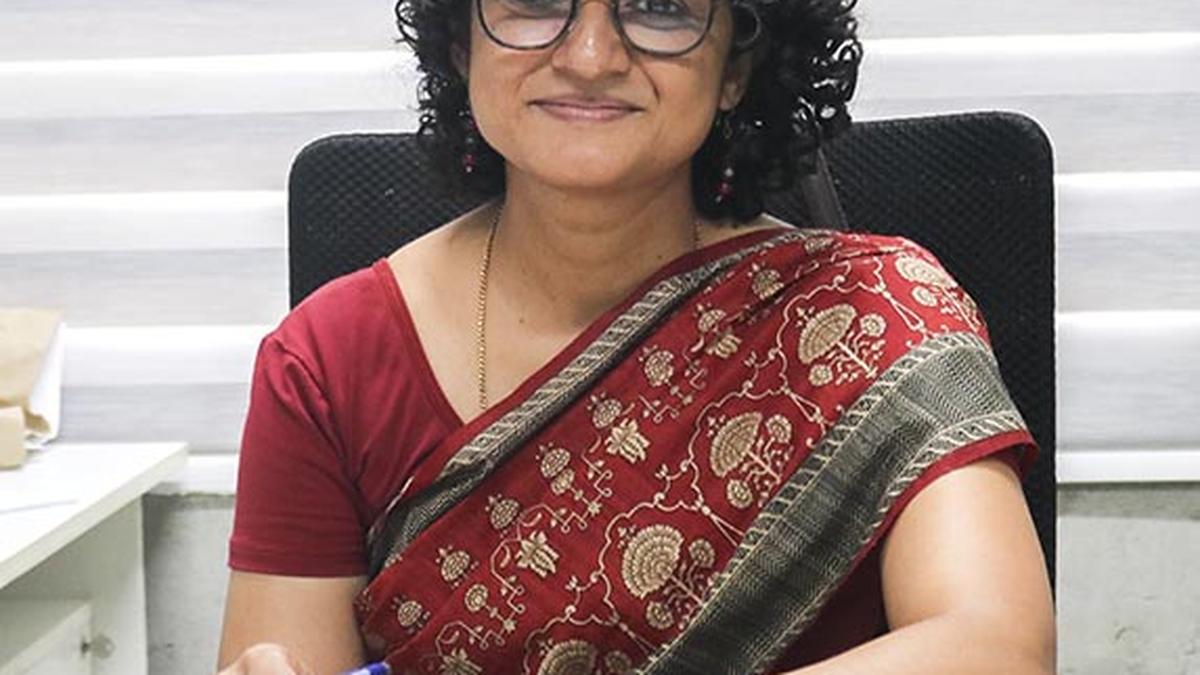
Adolf F. Mkenda, Minister for Education Science and Technology of the United Republic of Tanzania, Lela Mohamed Mussa, Minister of Education and Vocational Training in Zanzibar besides Binaya Srikanta Pradhan, the Indian High Commissioner to Tanzania, former IIT Madras directors M.S. Ananth and Bhaskar Ramamurthi and Dean of School of Engineering and Science and Director-in-charge of Zanzibar campus Preeti Aghalayam were present in person.
Prior to the inauguration, Institute director V. Kamakoti told media persons that the entire exercise of setting up the campus took around six months from the time discussion began with that government till the Ministry of External Affairs signed the agreement with that government.
While the IIT would only invest in sharing its knowledge, the entire expense of setting up the campus will be borne by that government. In the next five years the institute has planned to start five new programmes, including PG and UG.


Shorts News: Landslide hits Mandi after rain, nine houses evacuated

Three men arrested in Delhi for hoarding 74 LPG cylinders, facing charges under the Essential Commodities Act.

Bengaluru police summon Muthappa Rai's son, Ricky Rai, after a Lamborghini was caught performing dangerous stunts, raising public safety concerns.

LPG cargo ship from the US arrives at New Mangalore Port as charges waived amid West Asia conflict concerns.

Modi convenes ministerial meeting to address energy supply challenges amid West Asia conflict and ensure stable logistics nationwide.

CPI(M) negotiates with DMK over seat allocation for Tamil Nadu Assembly elections, aiming for six seats amid alliance talks.

Join our webinar to explore the necessity and impact of foreign universities establishing campuses in India.

PM Modi praises Bihar's rich culture and history in a heartfelt letter to CM Nitish Kumar on Bihar Diwas.

Former Minister Semmalai urges parties to limit freebies and prioritize development for Tamil Nadu's future prosperity.

Congress and DMK are set to share 15 seats each for the Puducherry Assembly elections on April 9, 2026.

Four Assam police commandos injured in an extremist attack during a gunfight in Tinsukia district, officials report.

Belagavi ZP CEO emphasizes innovative marketing for farmers and artisans, collaborating with Exim Bank to boost exports and opportunities.

Mizoram's civic body election heats up as parties finalize candidates and campaign strategies ahead of the April 21 polls.